
Last updated November 2, 2026
 Sweep & inspection
 Caps & crowns
 Flue relining
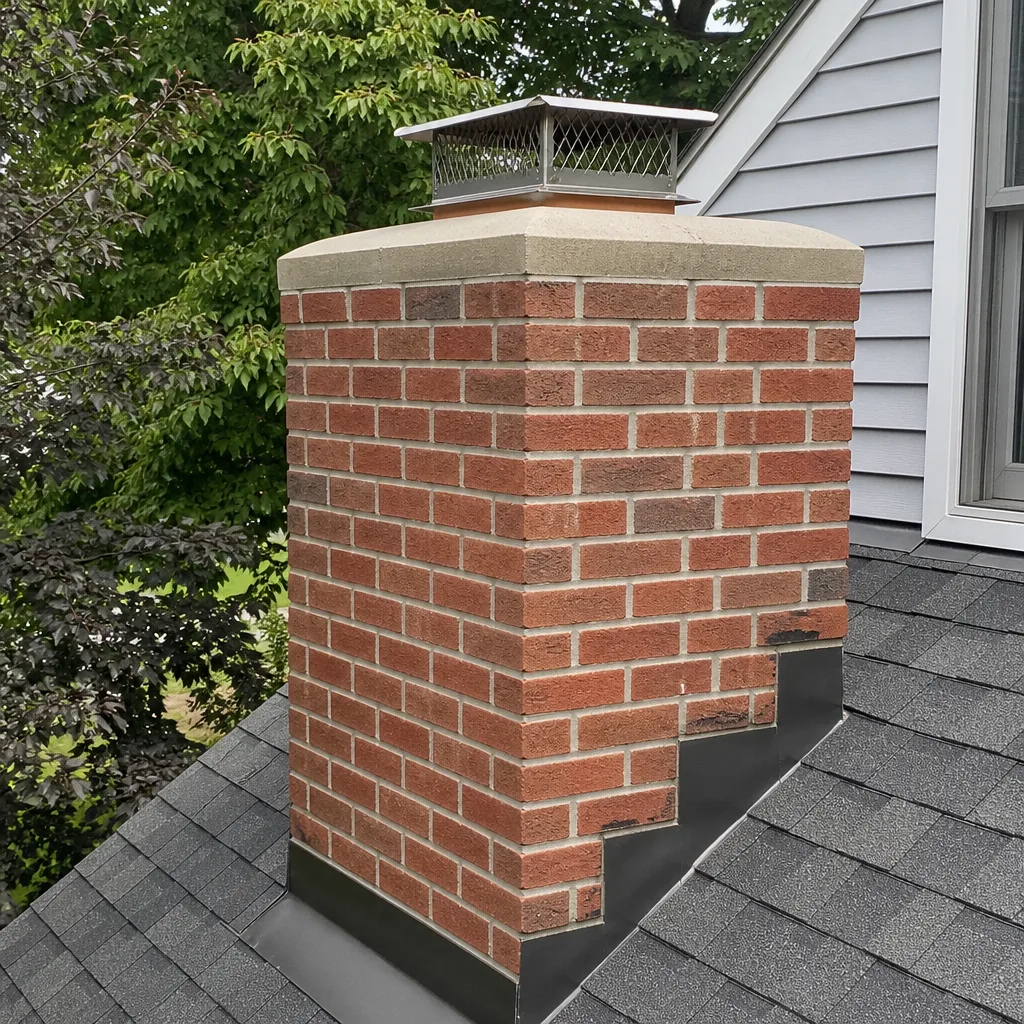 Masonry repair
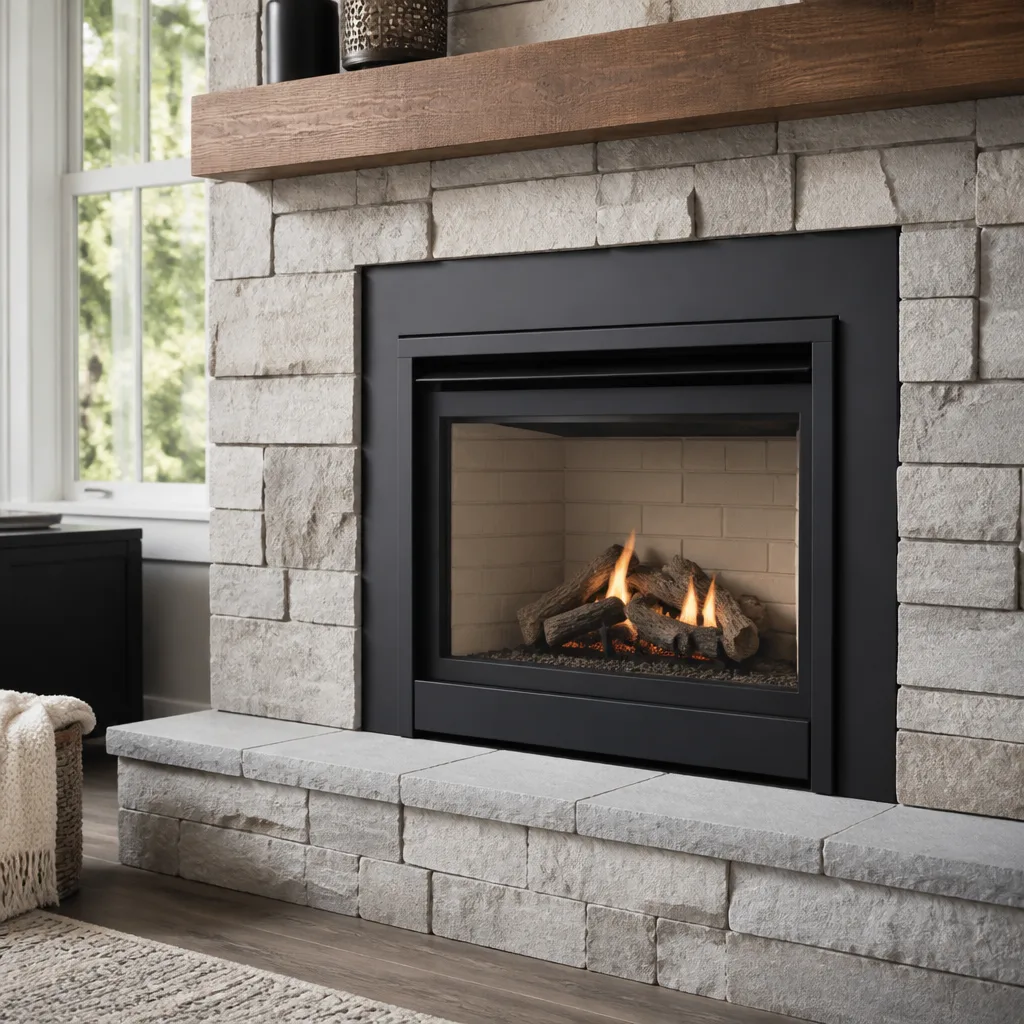 Gas fireplace service
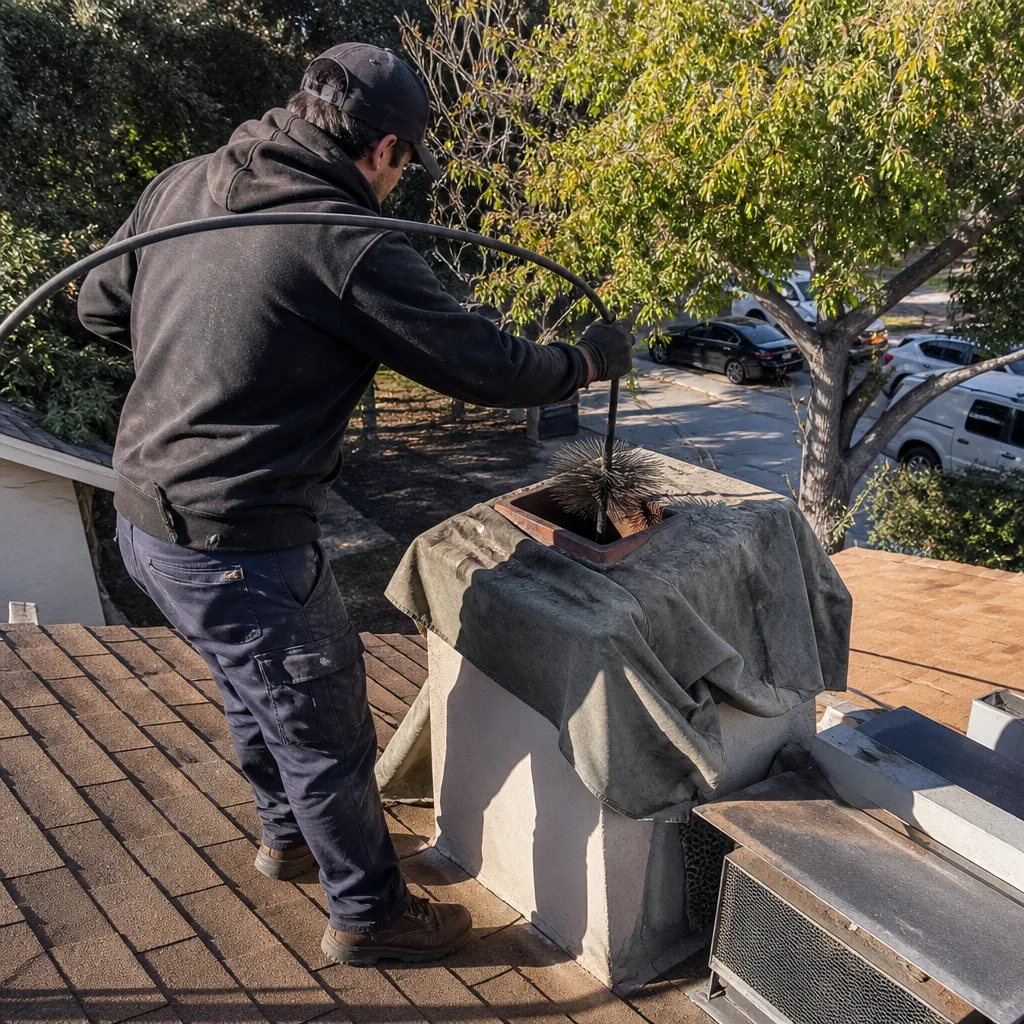
Level 1 sweep and inspection to the NFPA 211 annual standard - flue, crown, cap, and flashing checked and photographed
Chimney sweep logs do not sweep chimneys. They loosen some creosote - which then falls where a brush and vacuum still have to collect it.
Chimney Cleaning Permits, Codes & Inspections in CA: What You Need to Know
Replacing a damaged flue liner in California without a permit isn’t just a code violation. In a wildfire-designated High Fire Hazard Severity Zone, which includes significant portions of greater Los Angeles, unpermitted chimney modifications can void your homeowner’s insurance coverage entirely. Most homeowners in Atwater Village and across LA County don’t discover this until they’re mid-renovation, standing in front of a fireplace with a contractor who just said the word “permit.” This guide walks through the three overlapping rulebooks that govern chimney work in California: Title 24 energy standards, local municipal amendments, and NFPA 211 fire safety codes. You’ll learn exactly when cleaning is enough, when inspection becomes mandatory, and when you need to pull a permit before anyone touches your flue. For more guides & resources on keeping your chimney safe, explore our blog.
Styles & brands we work with
- Sweep & inspection
- Caps & crowns
- Flue relining
- Masonry repair
- Gas fireplace service
Quick Answer
Routine chimney sweeping and visual inspections do not require a permit anywhere in California. However, any structural modification to a chimney system, including flue liner replacement, masonry repair beyond surface pointing, or installation of a new fireplace insert, requires a building permit in most California jurisdictions including Los Angeles. The trigger point is whether the work changes, repairs, or replaces part of the chimney’s structure or function rather than simply cleaning its interior surfaces.
Table of Contents
- Cleaning vs. Repair: Where California Draws the Permit Line
- What NFPA 211 Actually Requires for Inspections
- Title 24 and Your Chimney: The Energy Code Overlook
- Los Angeles Municipal Code: How It Layers on Top of State Standards
- High Fire Hazard Severity Zones: Documentation That Protects You
- How to Pull Chimney Permit History Through LA County Records
- Common Mistakes to Avoid
- When to Call a Professional
- Frequently Asked Questions
- The Bottom Line
Cleaning vs. Repair: Where California Draws the Permit Line
The cleanest way to think about chimney permits in California is this: sweeping removes what’s accumulated, repair changes what’s there. A chimney sweep removes creosote, soot, and debris from interior flue surfaces. No part of the chimney’s structure or materials are modified. The flue remains exactly as it was, just cleaner. That’s maintenance, and California doesn’t require a permit for it. Not in Los Angeles, not in Atwater Village, not anywhere in the state.
A repair does something different. It replaces, restores, or alters the chimney’s components. The clearest examples:
- Replacing a damaged clay flue liner with a stainless steel liner system like DuraFlex
- Resurfacing a deteriorated flue with a product like HeatShield
- Rebuilding a crumbling chimney crown or firebox
- Installing a new fireplace insert, gas or wood-burning
- Repointing masonry joints when the mortar has eroded past surface depth
These jobs change the structure, the materials, or the operational characteristics of the chimney. They fall under the California Building Standards Code, specifically the Residential Code chapters governing masonry and factory-built chimneys. A permit triggers plan review, inspections at specific stages, and final sign-off. That’s not bureaucracy for its own sake. It’s how the state verifies that the new liner is sized correctly for the appliance, properly connected, and safe to put hot combustion gases through.
The gray zone sits between these two categories. During a routine sweep, we sometimes find damage that hadn’t been visible before: a cracked flue tile, spalled brick face, a rusted damper assembly. At that point the cleaning is done, and the homeowner now knows about a repair issue. That’s the line. The cleaning required no permit. The repair will.
In Atwater Village, where many homes date from the 1920s through 1950s, chimneys often haven’t been touched since construction. That doesn’t mean they’re necessarily dangerous. It does mean that when sweeping reveals issues, those issues have had decades to develop. A homeowner who wants to handle it properly should factor a permit into the timeline. Most Los Angeles building permits for straightforward liner replacement take two to four weeks for approval, depending on current department volume.
What NFPA 211 Actually Requires for Inspections
NFPA 211 is the national standard for chimneys, fireplaces, vents, and solid fuel burning appliances. California law recognizes it as the basis for safe chimney operation, and insurance companies lean on it heavily when adjusting fire claims. It defines three levels of inspection, and understanding the difference saves homeowners from buying inspection depth they don’t need, or skipping depth they do.
A Level 1 inspection happens during routine service when the chimney is used under the same conditions as before. The sweep checks the readily accessible portions of the interior and exterior, verifies the flue is free of obstructions and combustible deposits, and confirms the basic installation is sound. This is what most homeowners in Atwater Village receive during an annual sweep. No permit is associated with this, and no specialized equipment is required beyond what a professional chimney service already carries. Staying on top of this routine service is easier with our Chimney Sweep Maintenance Checklist for Atwater Village Homeowners.
A Level 2 inspection is more invasive. It includes everything in Level 1 plus examination of accessible areas in attics, crawl spaces, and basements. Critically, it involves a video scan of the flue interior to document its condition throughout the full length. NFPA 211 mandates a Level 2 inspection in specific situations:
- When a property is being sold or transferred
- After any chimney fire or building fire that affected the chimney
- After an earthquake, severe weather event, or seismic activity that may have shifted the structure
- When the system is being converted to a different fuel type
- Before relining or replacing the flue
For homeowners in Atwater Village, two of these triggers show up most often: property sales and seismic events. Los Angeles County sits in active seismic territory. A Level 2 inspection after a significant earthquake is not overcaution. Masonry chimneys are particularly vulnerable to horizontal displacement during ground movement. Cracks that don’t yet leak smoke can still be structural. A video scan is the only way to see them.
A Level 3 inspection becomes necessary when a Level 2 reveals serious hidden damage and the inspector needs to see inside concealed areas. This may require removing portions of the chimney or surrounding building materials to access the problem. Level 3 is rare. When it’s needed, it’s typically part of a major repair project that will require permits and a licensed contractor.
The takeaway is simple: routine cleaning needs only a Level 1 inspection. Selling, relining, or post-earthquake assessment needs Level 2. The homeowner who knows this can ask the right questions when hiring any chimney professional.
Title 24 and Your Chimney: The Energy Code Overlook
California’s Title 24 Building Energy Efficiency Standards are the strictest in the country, and they quietly regulate parts of the chimney universe that most homeowners never think about. Title 24 is about energy consumption, not fire safety, which means it covers a different aspect of chimney function: how much heated or cooled air your chimney allows to escape.
The relevant provisions fall in the residential energy code. When a homeowner installs a new factory-built fireplace or a gas log set in an existing open hearth, Title 24 requires that the installation meet specific efficiency ratings. Open masonry fireplaces are inherently inefficient. They draw conditioned indoor air up the flue even when not burning, which is why California has pushed toward sealed-combustion units and direct-vent gas fireplaces that pull outside air rather than indoor conditioned air.
Here’s where it affects real decisions in Atwater Village homes. If you’re replacing an old open-hearth wood fireplace with a gas insert, the project requires a permit, and the permit review will check that the insert meets Title 24’s requirements. The inspector isn’t just looking at the flue connection. They’re verifying that the appliance itself is on the approved list, that the installation seals properly, and that the damper is either removed or permanently locked open when a vented gas log set is installed. These are safety details, but they’re also energy-compliance details. Missing any of them fails the inspection.
For a straightforward chimney sweep or standard dryer vent cleaning, Title 24 doesn’t come into play. Those services don’t change the building envelope. But the moment you’re installing, replacing, or modifying an appliance that connects to the chimney, the energy code enters the conversation alongside the building code. A competent contractor knows both. That’s one reason repair and installation work deserves a specialist who works with specific systems daily rather than a generalist touching a fireplace for the first time this month.
Los Angeles Municipal Code: How It Layers on Top of State Standards
Los Angeles doesn’t replace the California Building Standards Code. It amends it, and those amendments matter for chimney work. The Los Angeles Department of Building and Safety, known as LADBS, administers the municipal code that governs construction in Atwater Village and every other neighborhood within city limits.
For chimneys, the practical effect is that Los Angeles enforces the same fundamentals as the state, but with local filing requirements and inspection procedures. A permit application for chimney repair goes through LADBS, not a state office. The permit fees, the inspection scheduling, the documentation standards, all run through the municipal system.
One local nuance: Los Angeles requires permits for masonry repair that goes beyond surface cosmetic work. Repointing a few square feet of eroded mortar joints where the bricks themselves are sound is typically classified as maintenance. Rebuilding the smoke chamber, reconstructing a firebox, or replacing more than a small section of brick counts as structural repair and needs a permit. The line is whether the work restores original structural integrity or merely preserves it.
Another Los Angeles-specific practice involves the inspection sequence for liner replacement. LADBS typically requires an inspection when the old liner has been removed and the new one is in place but before the fireplace is returned to service. The inspector confirms that the new liner is the correct size for the appliance, that it’s properly supported and sealed at the top, and that no combustible materials are in contact with the chimney structure. A homeowner who skips this inspection has an unpermitted modification on their record. When they sell, that omission surfaces.
For residents of Atwater Village, the LADBS local district office handles permits and inspections. Homeowners can file for a permit themselves or have a contractor pull it for them. The practical recommendation: for a simple sweep, don’t worry about any of this. For liner replacement, repair work, or appliance installation, the permit is not optional and the process is designed to be navigated by someone who does it regularly.
High Fire Hazard Severity Zones: Documentation That Protects You
California’s Department of Forestry and Fire Protection, working with local jurisdictions, maps the state into Fire Hazard Severity Zones: moderate, high, and very high. These zones measure the likelihood of wildfire and the expected intensity of a fire that does occur. The designations drive building code requirements for new construction, defensible space rules, and insurance underwriting decisions.
Los Angeles County contains substantial acreage in the high and very high categories. The foothill communities and canyon neighborhoods most exposed to wildfire risk fall inside these zones. Atwater Village sits inside the Los Angeles urban core, which generally carries a lower severity designation, but homeowners here still feel the effects. Insurance carriers surveying Southern California risk have tightened chimney-related underwriting across the region, not just in the highest zones. A chimney that hasn’t been inspected, or that carries unpermitted modifications, becomes a reason for a carrier to deny coverage or non-renew a policy.
The connection is direct: in a wildfire, chimneys play two roles. First, a structurally compromised chimney can collapse during high winds or direct flame exposure, creating a pathway for fire to enter the house. Second, embers can enter a chimney through a missing or damaged spark arrestor and ignite accumulated creosote in the flue. Insurance carriers know this. They ask about it. They check permit records.
What this means practically for a homeowner in Atwater Village: keep your documentation. A receipt from a chimney sweep showing Level 1 inspection and cleaning on a dated schedule establishes maintenance discipline. If repair work was ever done, the permit and the final inspection sign-off should be in a file. The homeowner who can produce this paperwork when asked has defended their insurability. The homeowner who can’t runs the risk of a claim being scrutinized more aggressively, or worse, denied on the basis of an unpermitted modification.
We’ve had conversations with homeowners in Atwater Village who called us after a non-renewal notice arrived. Some had unpermitted liner work from a previous owner. Others had simply never had the chimney inspected and couldn’t produce any service records going back years. The documentation matters almost as much as the condition of the flue itself.
How to Pull Chimney Permit History Through LA County Records
If you own a home in Atwater Village or anywhere else in Los Angeles County, you can access the permit history for your chimney system without hiring anyone. The process is public record, and it’s worth doing before you buy, before you sell, or before you start planning a renovation.
The starting point is the LADBS website’s Building Records request system. Los Angeles has been digitizing older permit records, though the system isn’t complete for homes built before the 1980s. For older Atwater Village properties, some records remain on microfilm or in physical archives. Here’s the process:
- Go to the LADBS website and navigate to the Online Permits and Records section
- Enter your property address and search for building permits
- Review the list for anything referencing fireplace, chimney, flue, or gas appliance
- If the online records show nothing, submit a records research request through the LADBS Records Section
- For older homes, be prepared for a wait while staff pull physical files
What should you look for? Any permit referencing chimney construction, modification, or appliance installation. The original building permit for a 1930s Atwater Village home will probably not mention the fireplace by name, but subsequent permits for additions or renovations might. If you find a permit for a fireplace insert or liner replacement, confirm that a final inspection was recorded. A permit that was issued but never closed with a final inspection is a red flag. It means the work wasn’t verified, and the current owner inherits that gap.
Gaps in permit history matter for a current owner in two ways. First, they complicate a future sale. Buyers’ inspectors look at the chimney, and savvy buyers’ agents pull permit records. Unexplained repairs without permits get flagged in disclosure negotiations. Second, gaps complicate insurance. The carrier that asks about the chimney and finds unpermitted work in the records may adjust premiums or decline coverage.
The good news: a gap is not a permanent liability. It can be remedied. The current owner can hire a professional to perform a Level 2 inspection, document the system’s condition with a video scan, and if necessary, pull a permit for corrective work. The inspection and any resulting permit create a clean paper trail going forward. It doesn’t erase the past, but it replaces uncertainty with documentation. That’s what insurance carriers and future buyers actually want.
Common Mistakes to Avoid
- Skipping the permit on liner replacement because “it’s inside the chimney and nobody will know.” The next buyer’s inspector will know, and the permit gap becomes a disclosure problem at sale. The savings of a few weeks and a few hundred dollars in permit fees turns into a negotiation liability worth thousands.
- Confusing a chimney sweep with a structural inspection. A Level 1 inspection during a routine sweep catches visible problems. It doesn’t include the video scan that reveals hidden flue damage. If you’re selling, renovating, or recovering from an earthquake, you need Level 2.
- Filing a permit but then not closing it with a final inspection. An open permit is worse than almost anything. It signals that work was started and never verified, and it clouds the property title until resolved. Close every permit you open.
- Assuming a gas fireplace doesn’t need chimney maintenance. Gas fireplaces still vent combustion byproducts through a flue, and that flue still needs inspection. Gas appliances produce moisture that deteriorates liners, and nests or debris still accumulate. In Atwater Village’s older homes, we regularly find gas fireplace flues that haven’t been inspected since installation.
- Hiring a handyman for structural chimney repair because it costs less upfront. Masonry and liner work isn’t a general-carpentry task. The wrong materials fail early or fail dangerously. A professional who works with chimney systems daily, using components from manufacturers like Olympia Chimney and Famco, gets the details right because it’s all they do.
- Ignoring dryer vents in the permit-and-inspection conversation. Dryer vents aren’t chimneys, but they’re combustion-adjacent ventilation systems that carry fire risk. Keeping both the chimney and the dryer vent in service documentation demonstrates full household ventilation discipline.
When to Call a Professional
A homeowner who sees white staining on the exterior brick, hears loose material falling inside the flue, notices a smell of smoke in rooms around the fireplace after it’s been used, or has simply lost track of when the chimney was last cleaned should call a professional. These symptoms match several of the warning signs detailed in our Chimney Cleaning Warning Signs: An Atwater Village Homeowner’s Reference Guide. These are the signs that something is happening inside the system that a visual check from the hearth can’t diagnose.
If you’re selling your home in Atwater Village, a Level 2 inspection before listing protects you from deal-killing surprises during escrow. If you just bought, and the previous owner couldn’t produce service records, start fresh with a documented inspection and cleaning. If you’ve had a chimney fire, even a small one that you extinguished yourself, stop using the fireplace and call immediately. Chimney fires can compromise the flue without leaving obvious exterior damage.
Chimney Sweep in Atwater Village covers the full service you’d expect, and Pearl Chimney Cleaning offers free estimates in Atwater Village. Call (833) 630-4048 to schedule an inspection or ask about any condition you’ve noticed around your fireplace. The conversation costs nothing, and it gives you the documentation to answer the questions insurance carriers and buyers will eventually ask.
Frequently Asked Questions
A standard chimney sweep in Atwater Village typically runs between $180 and $320 depending on the chimney’s condition, accessibility, and whether a video inspection is included. The price reflects the technician’s time, equipment amortization, and disposal of creosote and debris, not just the visual result. Call (833) 630-4048 for an exact quote: Pearl Chimney Cleaning offers free estimates, and we tell you the full price before any work begins.
Creosote buildup gets removed with a sweep; a cracked or deteriorated liner gets replaced, and those are different problems. In Atwater Village’s older homes, we frequently see clay liners with decades of thermal stress that a sweep reveals but can’t repair. If we recommend a liner, it’s because the flue is compromised and continuing to use the fireplace risks heat or gas transfer into the building structure. We show you the video footage before we recommend anything, and we’ll tell you plainly if the current liner can safely wait a season.
The National Fire Protection Association says chimneys should be swept at least once per year when used regularly, and more often if the fireplace is a primary heat source or the wood is anything less than fully seasoned. In Atwater Village, where many fireplaces are used seasonally from November through March, an annual sweep before heavy use is the practical standard. The same annual rhythm keeps your documentation current for insurance purposes. Call (833) 630-4048 to book a sweep and get on a maintenance schedule.
If you skip chimney cleaning, creosote accumulates on the flue walls, and creosote is combustible. A chimney fire that ignites inside the flue can reach temperatures that crack clay liners, warp metal components, and in severe cases, spread into the attic or roof structure. Outside the worst case, skipping inspection means small problems grow quietly: a cracked flue tile that leaks heat for years before anyone notices, a rusted damper that breaks mid-season, a nest that blocks venting and pushes carbon monoxide into the house. The risk isn’t abstract, but the fix is simple: annual cleaning and inspection. The Pearl Chimney Cleaning home page explains our full service approach.
Routine chimney sweeping is considered maintenance, so homeowners insurance doesn’t cover it. However, documentation of regular sweeping and inspection feeds directly into your insurance position. If a fire claim involves the chimney, the carrier will ask for maintenance records. A homeowner who can produce years of clean inspection history is in a far stronger position than one who can’t. For repair work caused by a covered event, like earthquake damage to a chimney, your policy may cover the repair. That claim will likely require a permit and a final inspection, which is a reason to handle the process properly from the start.
No. Dryer vent cleaning is maintenance, not structural modification, and requires no permit anywhere in California. The vent is cleaned and the airflow is verified, but no part of the building is changed. What many homeowners in Atwater Village overlook is that Dryer Vent Cleaning in Atwater Village should happen on a schedule just like chimney sweeping. A blocked dryer vent is one of the leading causes of household fires in California, and the fix is inexpensive relative to the risk. Call (833) 630-4048 to add dryer vent service to your maintenance calendar.
The Bottom Line
California’s chimney regulations operate on a clear logic: clean what’s there without a permit, permit anything that changes it. Routine sweeping keeps you safe and your documentation current. NFPA 211 inspections, especially Level 2 video scans, protect you during sales, after earthquakes, and when repair decisions need hard evidence rather than guesswork. Title 24 and Los Angeles municipal amendments layer energy and structural requirements on top of the basics. And in a state where wildfire risk shapes insurance underwriting, your maintenance records are as valuable as your flue’s actual condition. A homeowner in Atwater Village who cleans annually, inspects at the right depth, and permits every repair has done what the code asks and what the insurance carrier will look for.
Need a specialist who can sweep, inspect, and repair, with documentation at every step? Chimney Repair in Atwater Village covers the service area, and Pearl Chimney Cleaning offers free estimates. Call (833) 630-4048 and let us take a look at your flue before it becomes a problem.
Written by the team at Pearl Chimney Cleaning, serving Atwater Village since 2013.
See the difference
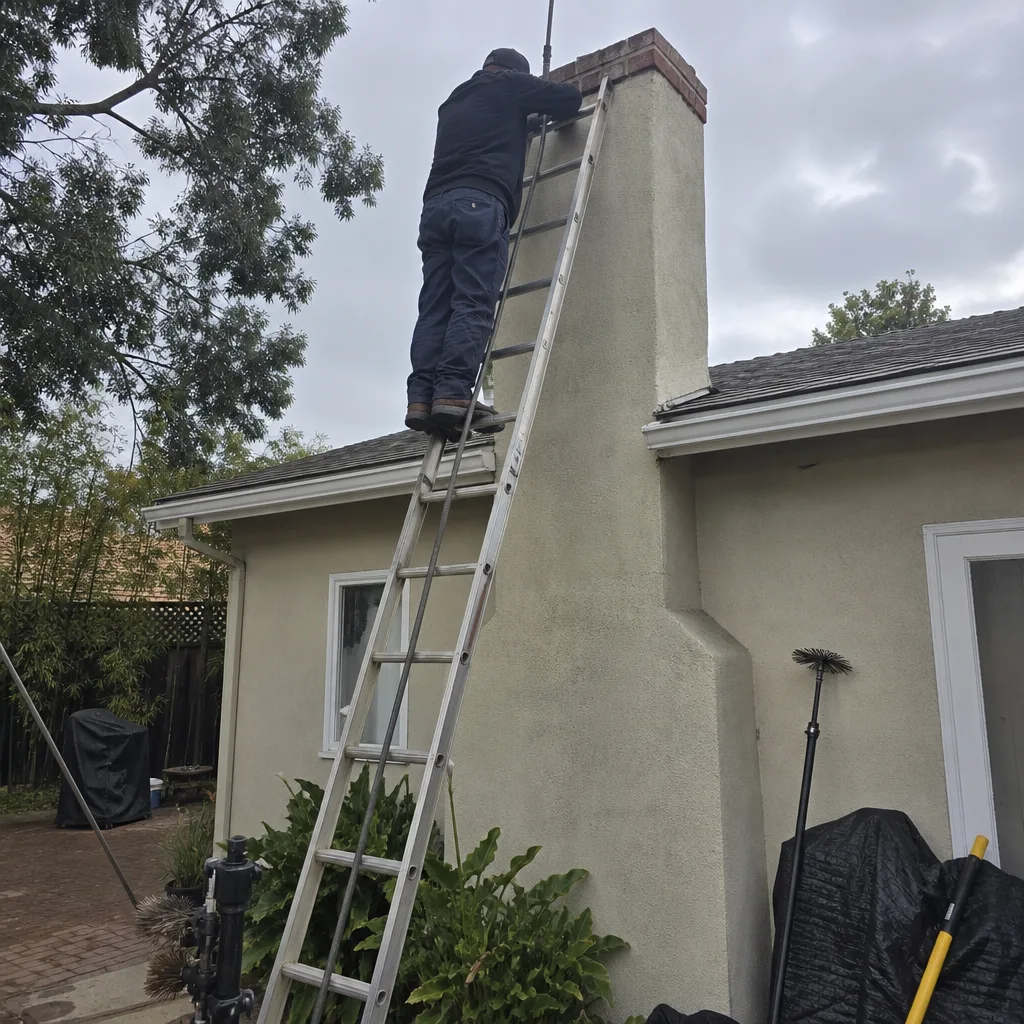 Before
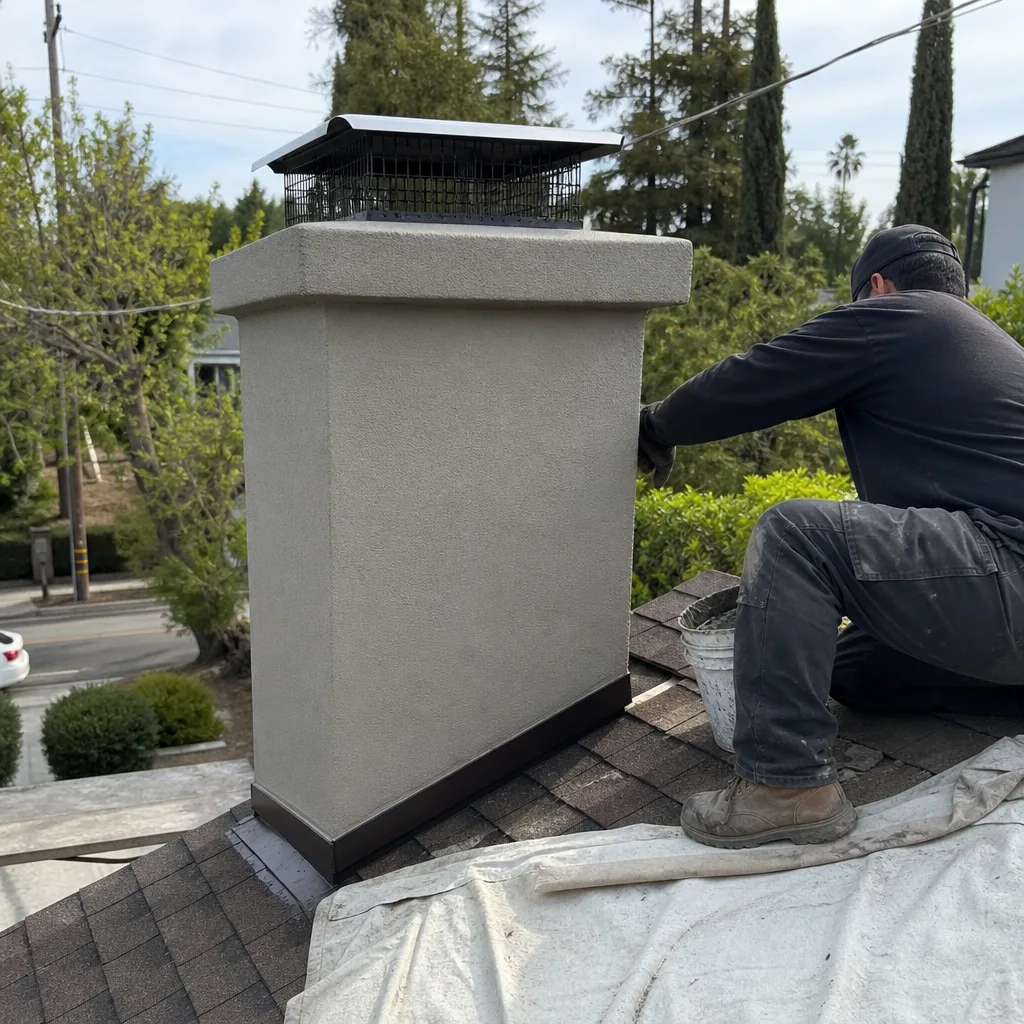 After
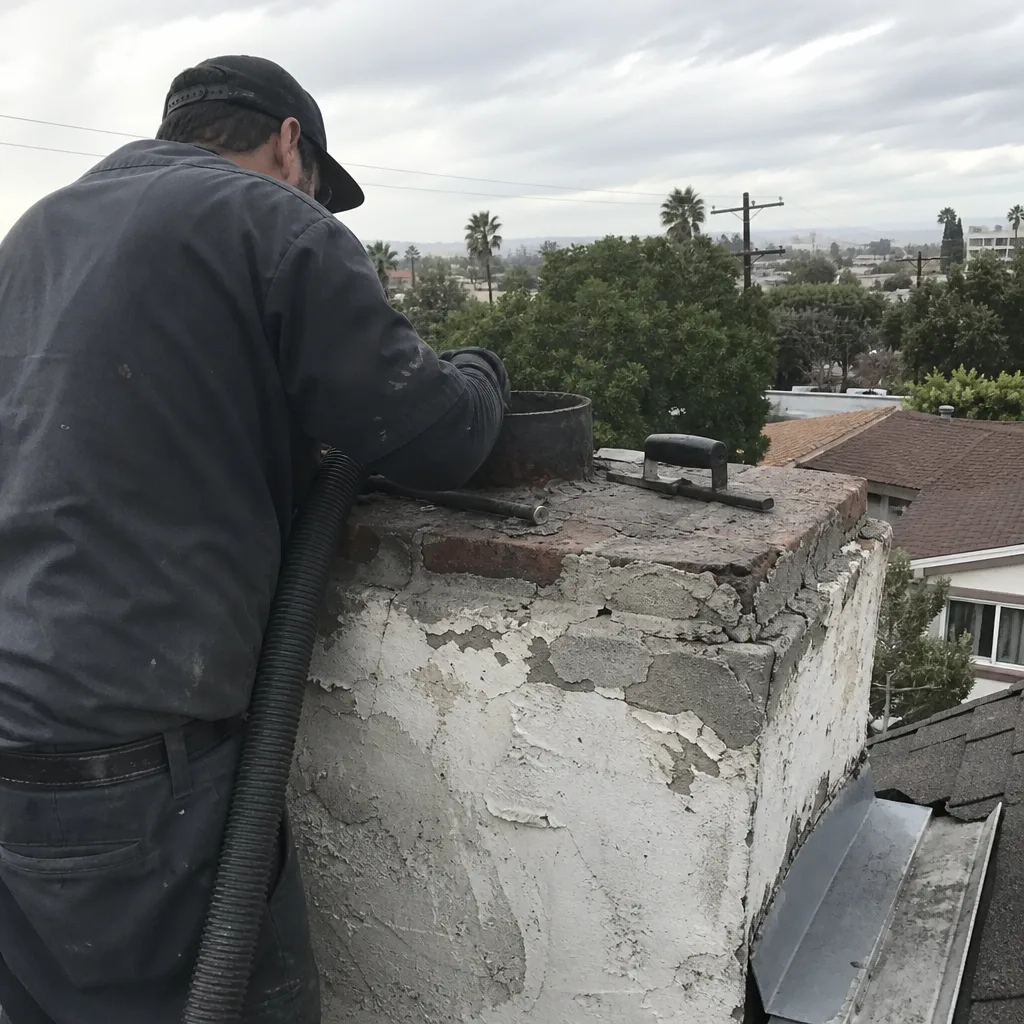 Before
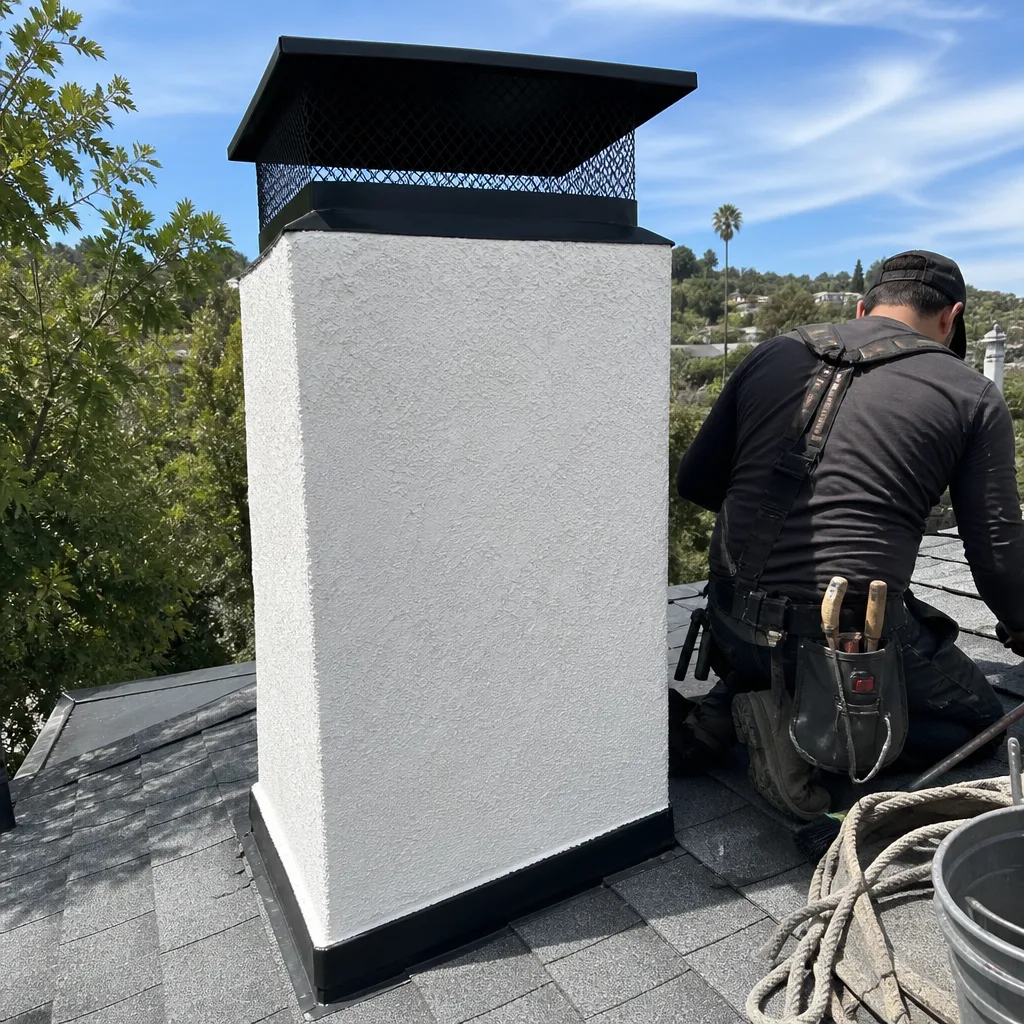 After
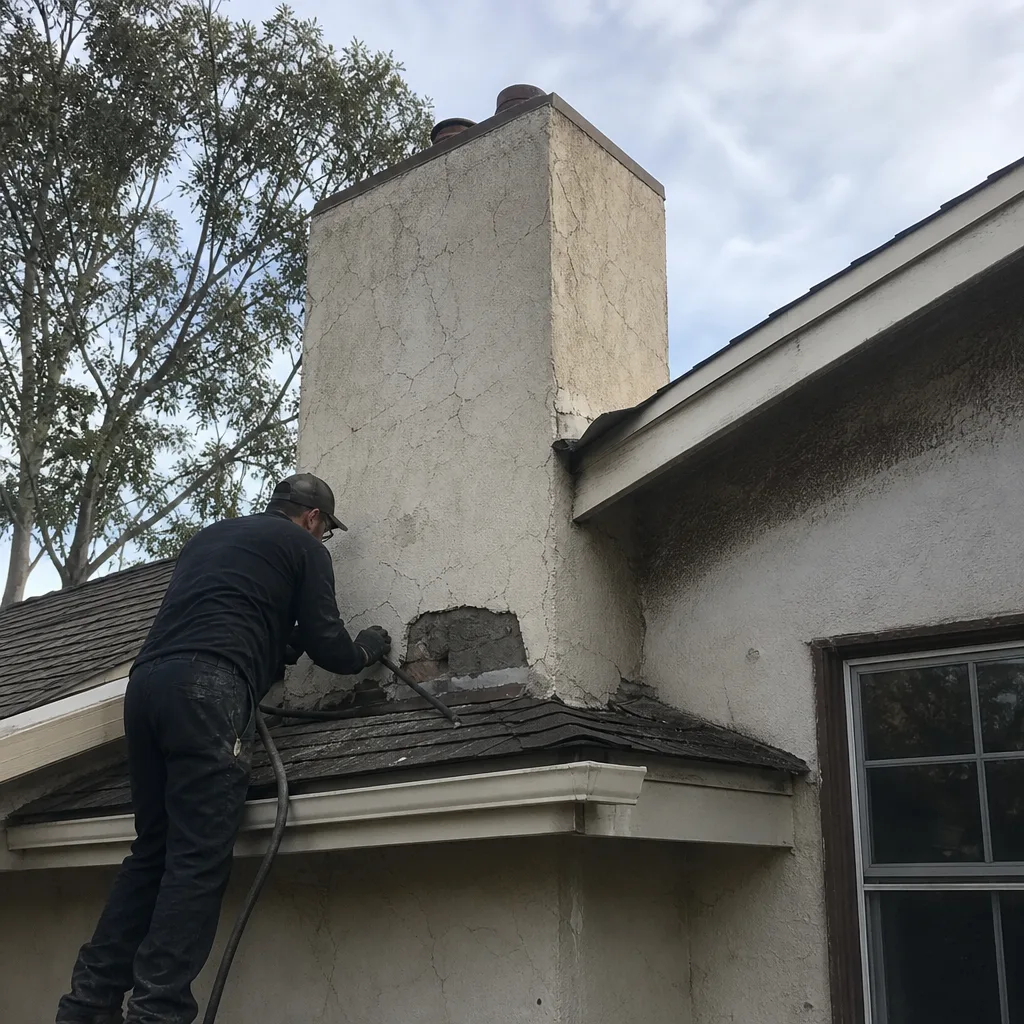 Before
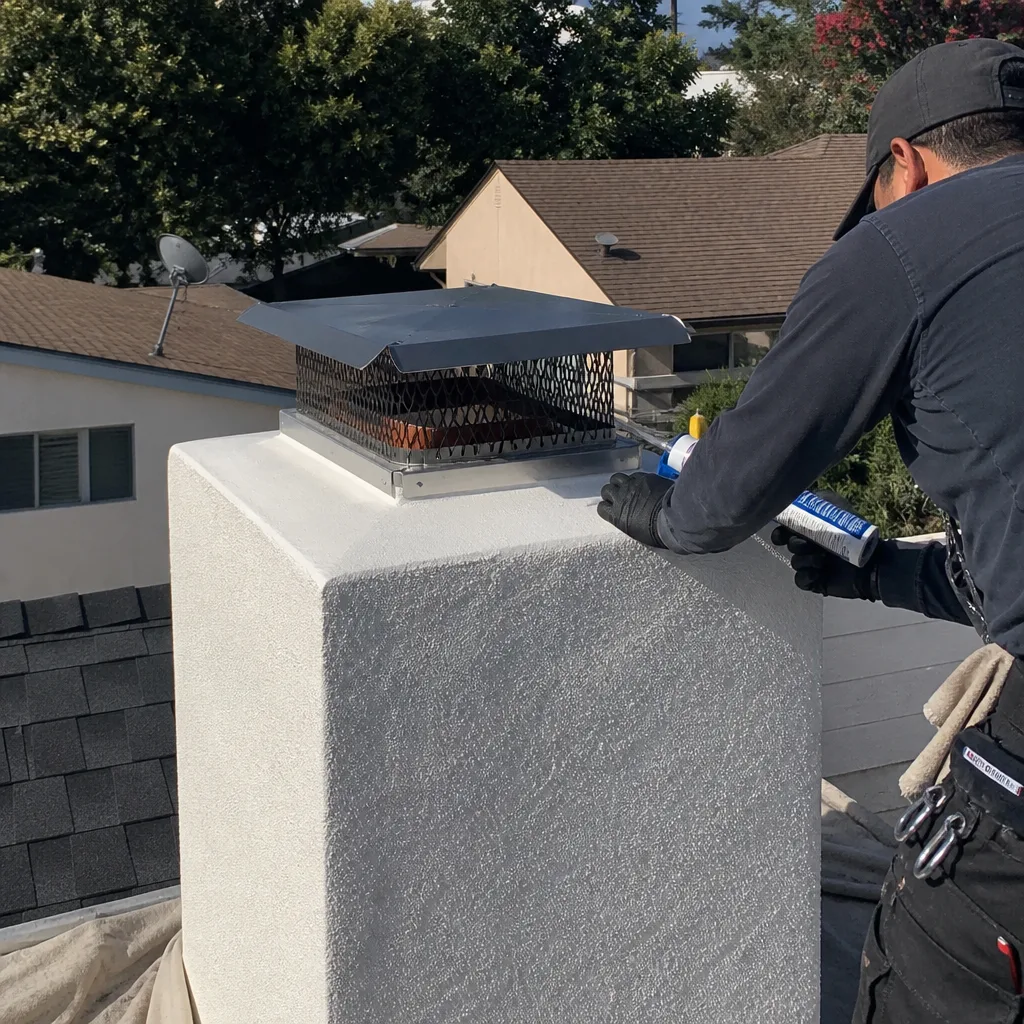 After