
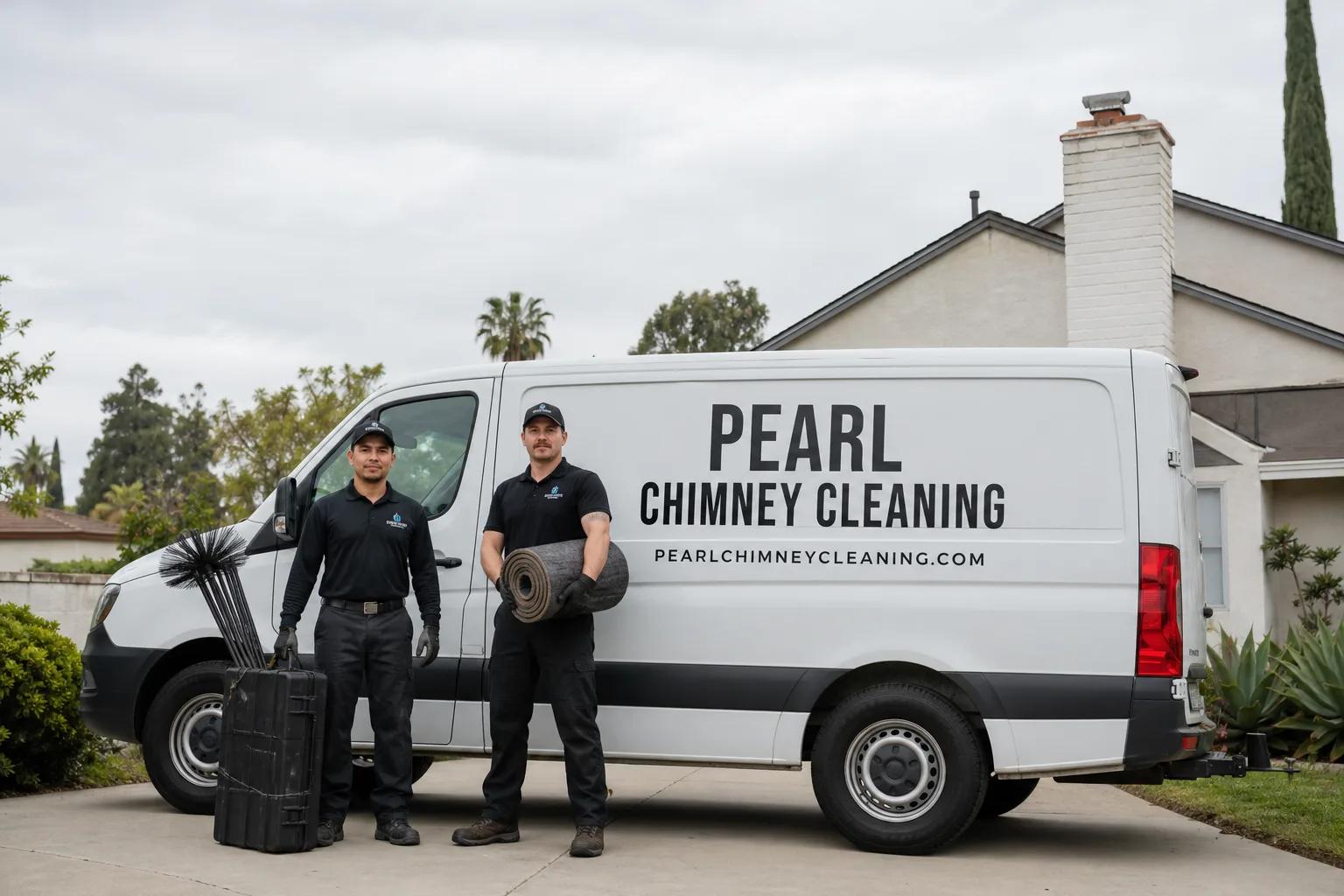
Fast, Reliable Dryer Vent Cleaning Across Historic Core
Dryer vent cleaning in Historic Core typically runs $149 – $289 for a standard loft or condo unit, and we can usually schedule within three to five business days. If you live in one of the converted Beaux-Arts buildings on Broadway or Spring Street, you’re dealing with a vent system that was never designed for modern dryers. We know those buildings. Call (833) 630-4048 and we’ll walk you through what your building needs.
Pearl Chimney Cleaning serves the entire 90014 ZIP code, from the residential towers near Pershing Square to the loft conversions above street-level retail on Main and Los Angeles Streets. Our technians work around landmarked cornices, fire escapes, and tight mechanical penthouses every week. We coordinate with building engineers and historic-preservation rules before we touch a single vent. That’s not a service add-on. It’s how work gets done correctly in this neighborhood.
Why Pearl Chimney Cleaning Is Historic Core’s Preferred Dryer Vent Cleaning Company
Historic Core residents call us because we treat dryer vents as part of the building’s larger combustion-safety system, not as an isolated tube. Phil Wagner leads a team that understands how a Gelco dryer vent run through a former boiler shaft behaves differently from a modern dedicated vent in a single-family home. Our Dryer Vent Cleaning team has worked on enough pre-1930 masonry buildings in this neighborhood to know what we’re going to find before we open the access panel.
Building managers along Spring Street keep our number on file because we show up when we say we will and we document everything with photos. If a vent shares a mechanical shaft with an original boiler flue, we note the condition of the flue while we’re there. If we spot spalling brick around a vent penetration, you’ll see it in the report, not hear it mentioned in passing. That level of documentation matters when you’re on the board of a historic building and need to justify maintenance spending.
Our Dryer Vent Cleaning Services in Historic Core
Dryer Vent Inspection & Cleaning
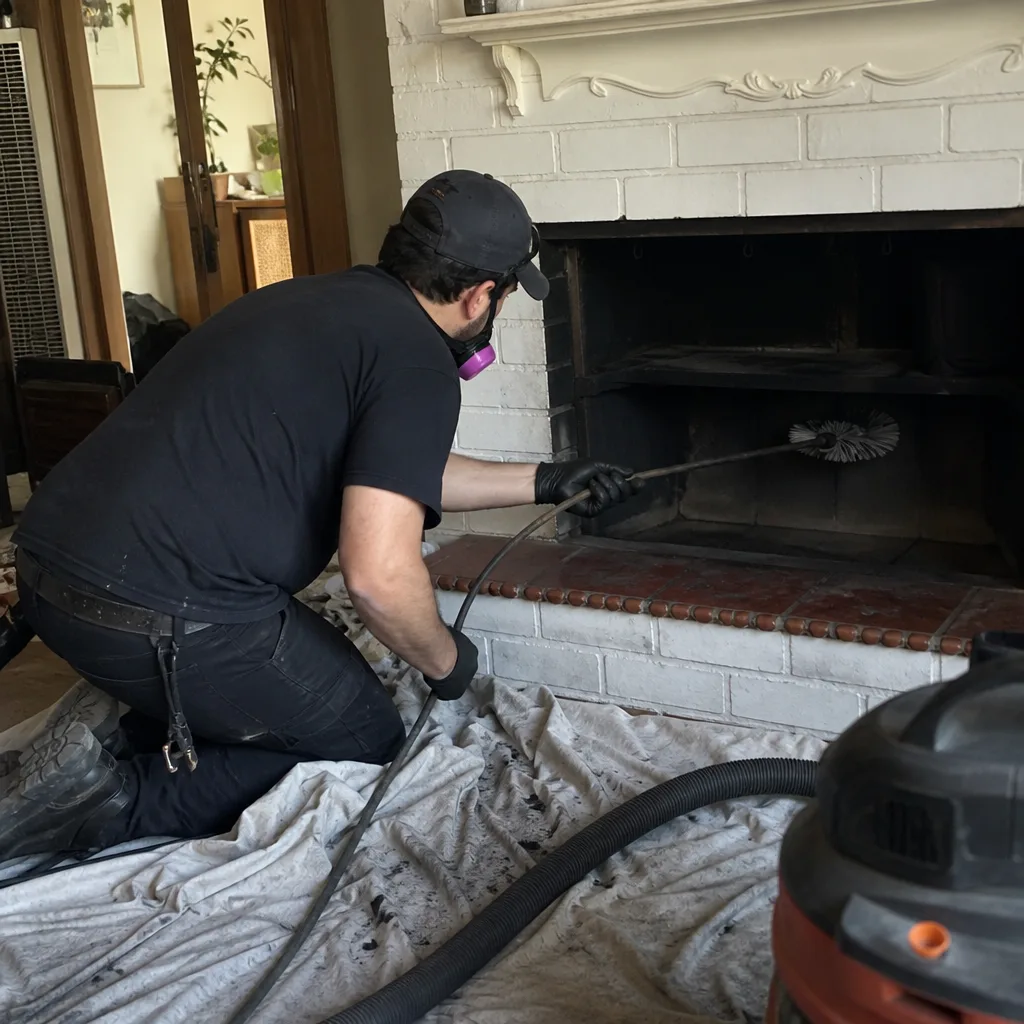
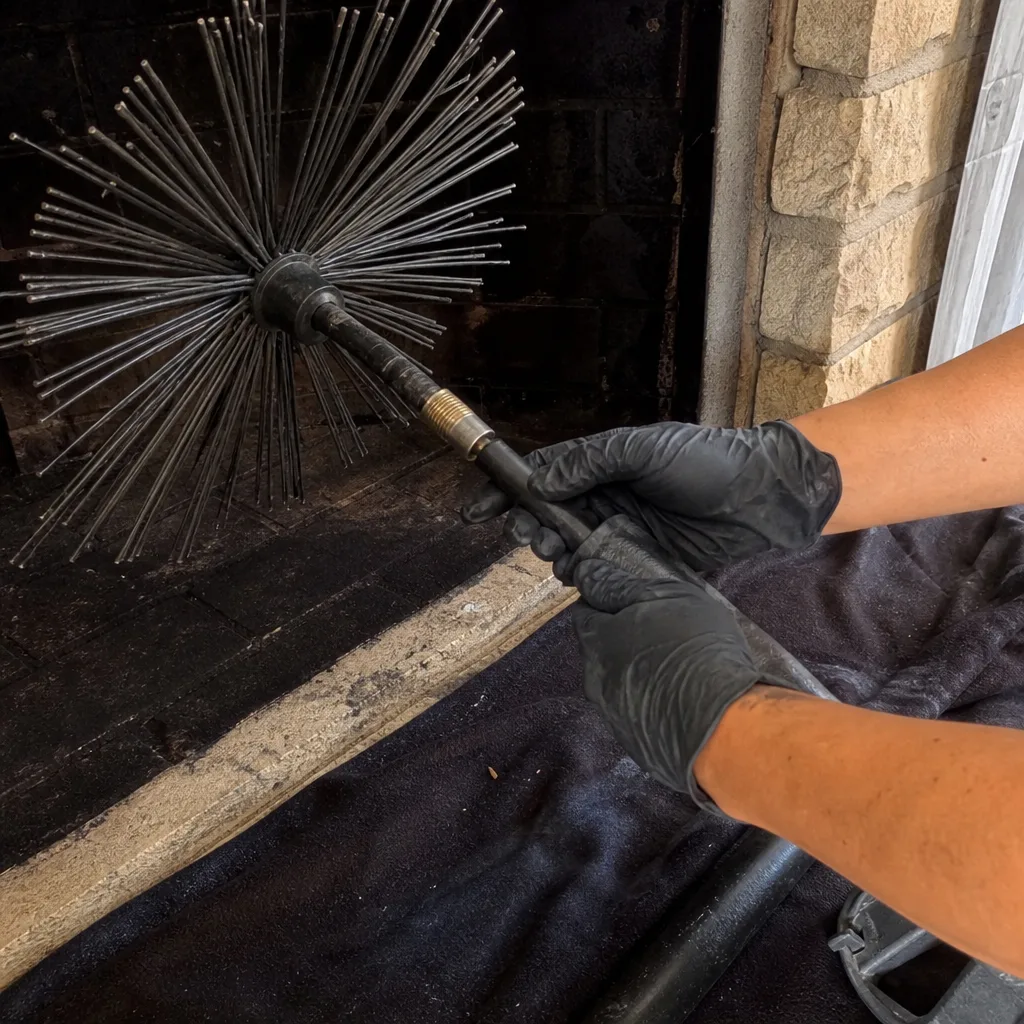
Standard service for Historic Core lofts and condos. We run a rotary brush through the full vent run, vacuum out accumulated lint, and inspect every accessible joint. In converted commercial buildings, vent runs are frequently longer than code allows for new construction, with multiple elbows navigating around original structural columns. We’ll tell you if your run needs more frequent cleaning than the typical annual interval.
Rooftop Cap & Flashing Inspection
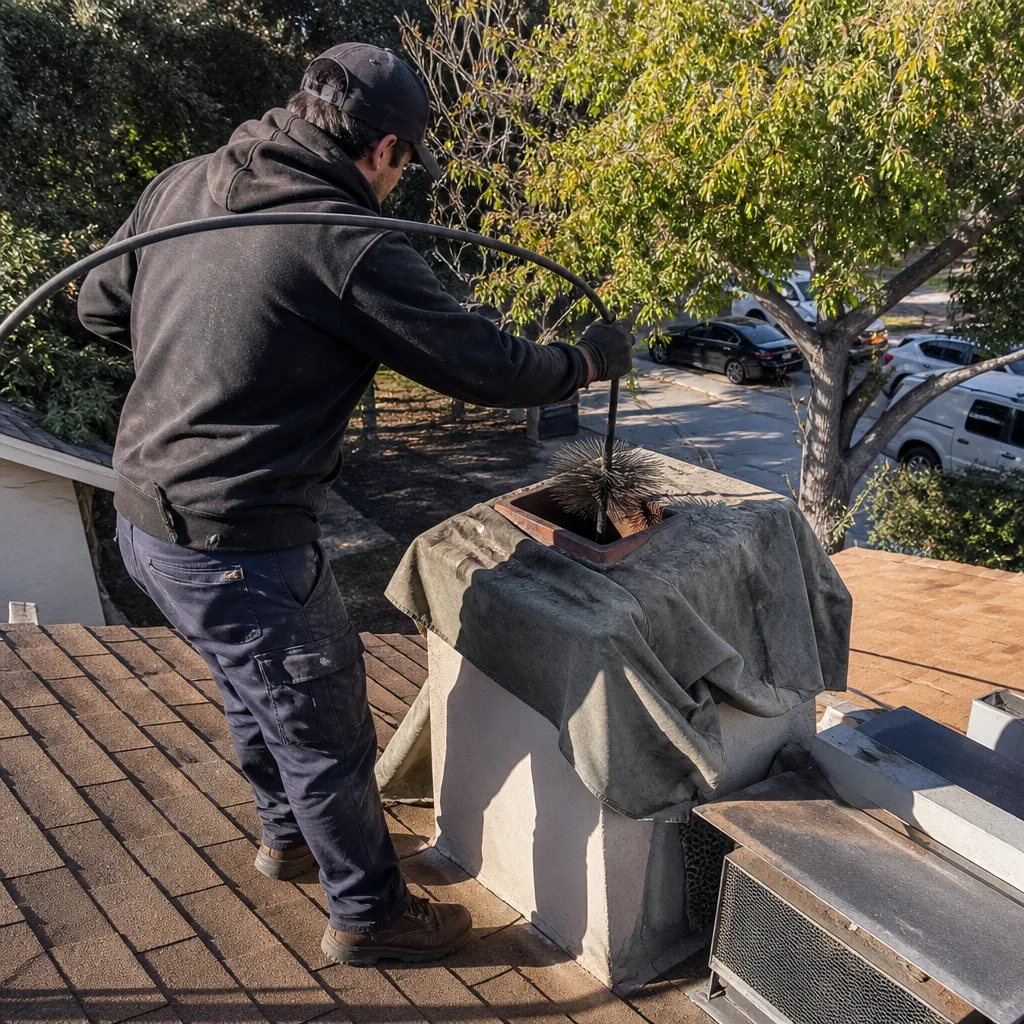
This is the service most generic dryer vent companies skip in Historic Core. Your rooftop cap sits in marine-layer damp every morning, and if it’s galvanized rather than stainless, it’s corroding. On Broadway and Spring Street rooftops, we routinely find caps that have rusted through, letting water drip into the exhaust line and rust flakes blow back onto your dryer. We inspect, document, and replace with stainless components when needed.
Shared Shaft & Mechanical Chase Cleaning
In pre-1930 masonry buildings, dryer vents frequently share mechanical shafts with original boiler flues or plumbing chases. Lint in these shared spaces doesn’t just clog your dryer vent; it can mimic chimney draft problems by trapping humidity and odor. We distinguish between vent blockage and flue issues, so you don’t get sold a chimney repair when the actual problem is a clogged dryer line.
Post-Cleaning Documentation & Repair Recommendations
After every cleaning, you receive a photo report showing what we found and what we corrected. If we see a corroded cap, spalling mortar around the penetration, or a joint that’s begun separating, we’ll include repair options with a clear priority level. We don’t hand you a problem report and walk away. Pearl repairs what we find, using components from manufacturers like Olympia Chimney and Famco that professionals actually trust.
Trusted Brands We Service in Historic Core
We stock and install Gelco vent components, which matters when a Historic Core building’s vent run uses non-standard lengths or transitions. For rooftop caps and flashings, we carry Olympia Chimney and Famco stainless steel lines rather than whatever galvanized part the local hardware store happens to have in stock. Salt air near the coast corrodes galvanized metal faster than it does in the Valley, so we standardize on stainless for rooftop work in the 90014 ZIP code. If your existing vent uses a brand we don’t stock, we’ll source it and have it ready before your appointment.
Common Dryer Vent Cleaning Problems We See in Historic Core Homes
- Corroded galvanized caps and flashing. The damp marine-layer air that settles over Downtown LA mornings accelerates rust on rooftop vent caps. We see this on Broadway and Spring Street buildings where the cap is original or was replaced with a cheap galvanized unit. The fix is a stainless cap, properly flashed, and it costs far less than repairing water damage inside the vent run.
- Lint accumulation in shared mechanical shafts. Buildings converted from office or hotel use often kept their original vertical shafts. When a dryer vent shares that space with a boiler flue or another vent pipe, lint builds up where the two lines meet. This raises fire risk and reduces dryer efficiency, and it often gets misdiagnosed as a boiler or chimney problem.
- Spalling brick mortar around vent penetrations. Pre-1930 masonry walls hold moisture, and when mortar starts to spall around a vent penetration, the opening widens. That lets moisture and pests into the vent system. We spot this during routine cleaning and recommend repointing or sealing before the vent run itself is compromised.
- Long vent runs with multiple elbows. Historic Core loft conversions often place dryers far from exterior walls, so the vent runs a long distance through walls, around columns, and up a shaft. Every elbow catches lint, and the longer the run, the worse the buildup. We’ll measure the effective length and tell you if your dryer needs booster fan assistance or more frequent cleaning.
Pricing for Dryer Vent Cleaning in Historic Core, CA
A standard dryer vent cleaning for a loft or condo in Historic Core runs $149 – $219 when the vent is accessible and under roughly 15 feet. Longer runs, rooftop access, and shared shaft cleaning typically fall between $219 – $289. If we need to replace a corroded cap or flashing, that’s quoted separately after inspection, and we show you the corrosion in your photo report before any work proceeds. Older converted commercial buildings with landmarked facade restrictions sometimes require additional coordination time, which we’ll discuss before you book. Call (833) 630-4048 for a free estimate specific to your building.
We Also Serve Cities Near Historic Core
Pearl Chimney Cleaning handles dryer vent work throughout Downtown Los Angeles and the surrounding neighborhoods. We regularly serve Downtown Los Angeles, Little Tokyo, Chinatown, and East Hollywood, along with the broader Dryer Vent Cleaning in Historic Core service area. If you’re near Pershing Square or the Jewelry District, you’re in our regular rotation.
Serving Historic Core, CA – Our Local Coverage Area
We’re based in the Historic Core area and know this community well. Use the map below to see our service coverage – if you’re nearby, we can almost certainly help.
FAQs – Dryer Vent Cleaning in Historic Core
Every 12 months at minimum, and every 6 months if your vent run is longer than 15 feet, has multiple elbows, or shares a mechanical shaft with an original boiler flue. The pre-1930 buildings in Historic Core frequently have all three conditions, so we recommend spring and fall cleanings for many lofts and condos in the 90014 ZIP code. The dry Santa Ana season deposits fine dust that accelerates lint accumulation. Call (833) 630-4048 and we’ll help you set a schedule that fits your building.
Clothes taking longer than 40 minutes to dry, a burning smell while the dryer runs, excessive heat or moisture in the laundry area, or lint visible around the exterior vent opening. In loft conversions, we also watch for humidity smells that mimic boiler flue issues, which is a sign that lint in a shared shaft is trapping moisture. If you notice any of these, stop using the dryer and schedule an inspection.
Yes, and it does regularly. Broadway and Spring Street buildings sit close enough to the coast that marine-layer moisture accelerates corrosion on galvanized caps and flashings. We frequently find caps that have rusted through within a few years of installation. Stainless steel components from Olympia Chimney or Famco last far longer in these conditions, which is why we standardize on stainless for rooftop work in Historic Core.
Yes. Rigid metal duct is required for dryer vent runs, never flexible foil or vinyl. In converted commercial buildings, local code also requires that dryer vents terminate outside the building, not into a mechanical shaft or attic space. Older Historic Core buildings sometimes have grandfathered configurations that don’t meet current code, and we’ll document what we find and recommend the lowest-cost path to compliance. Call (833) 630-4048 if you’re not sure what your building has.
Santa Ana wind events push dust and fine particulates through exterior vent openings and into dryer exhaust lines, where they bind with lint and accelerate blockage. Backdrafting can also occur, where wind pressure sends exhaust back into the dryer, increasing drying time and potentially damaging the unit. We recommend checking rooftop caps and dampers after any prolonged Santa Ana period. A quick inspection before the season starts can prevent mid-winter failures.
Written by Phil Wagner, Owner at Pearl Chimney Cleaning, serving Historic Core and the greater Downtown Los Angeles area.