
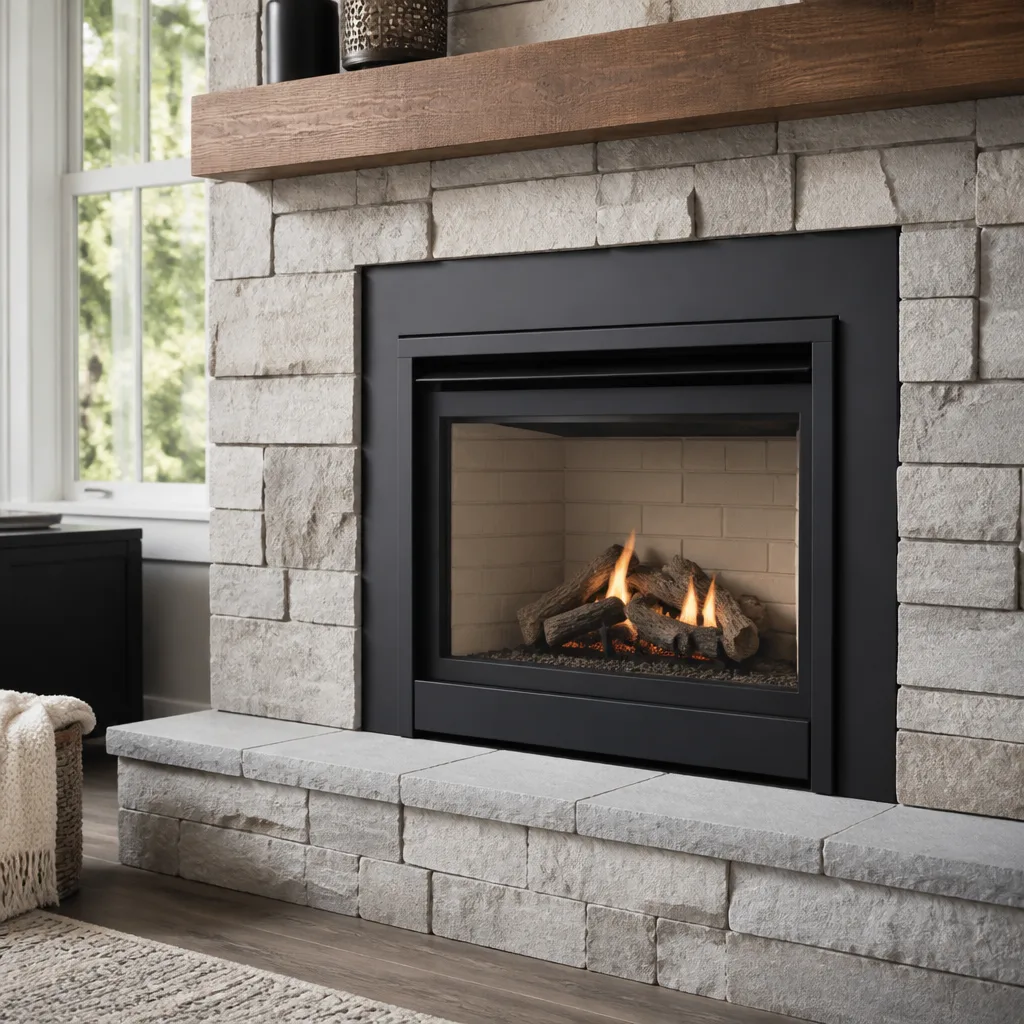
 Gas fireplace service
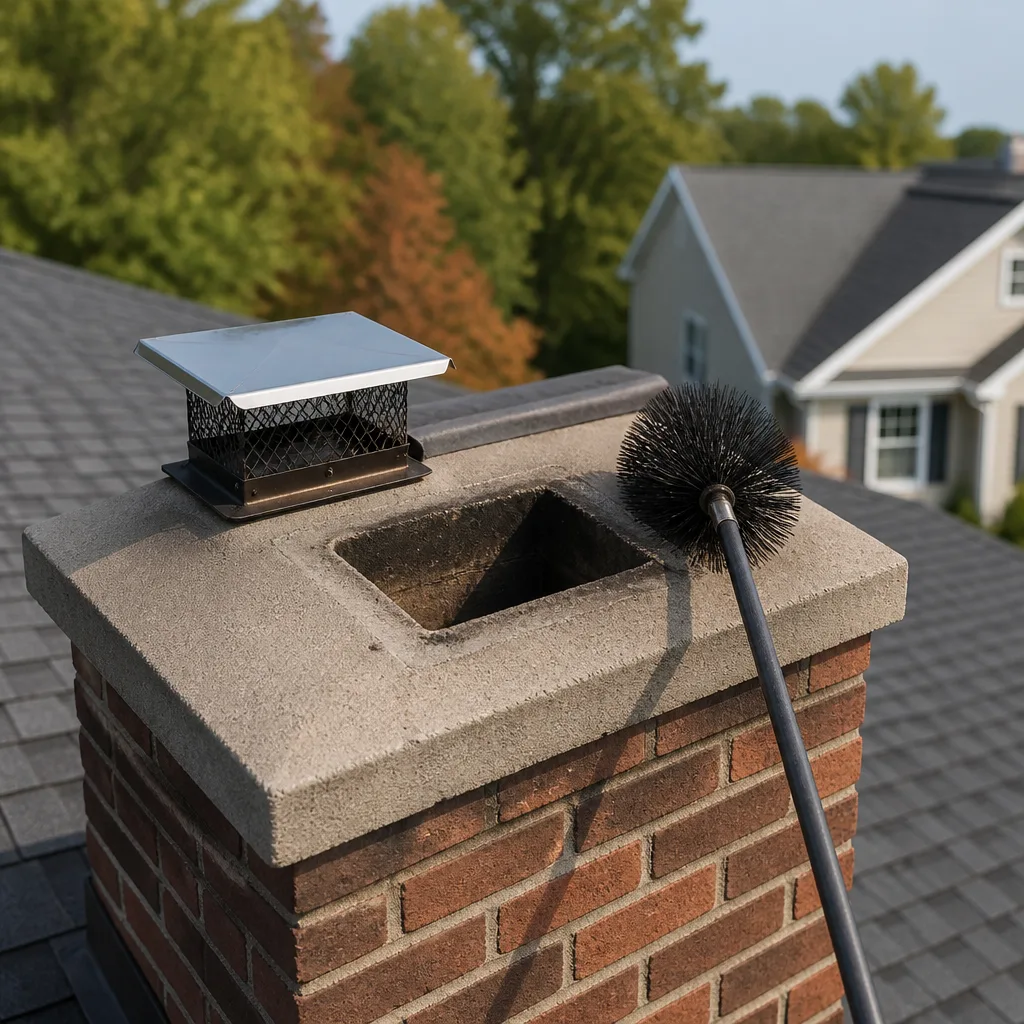 Sweep & inspection
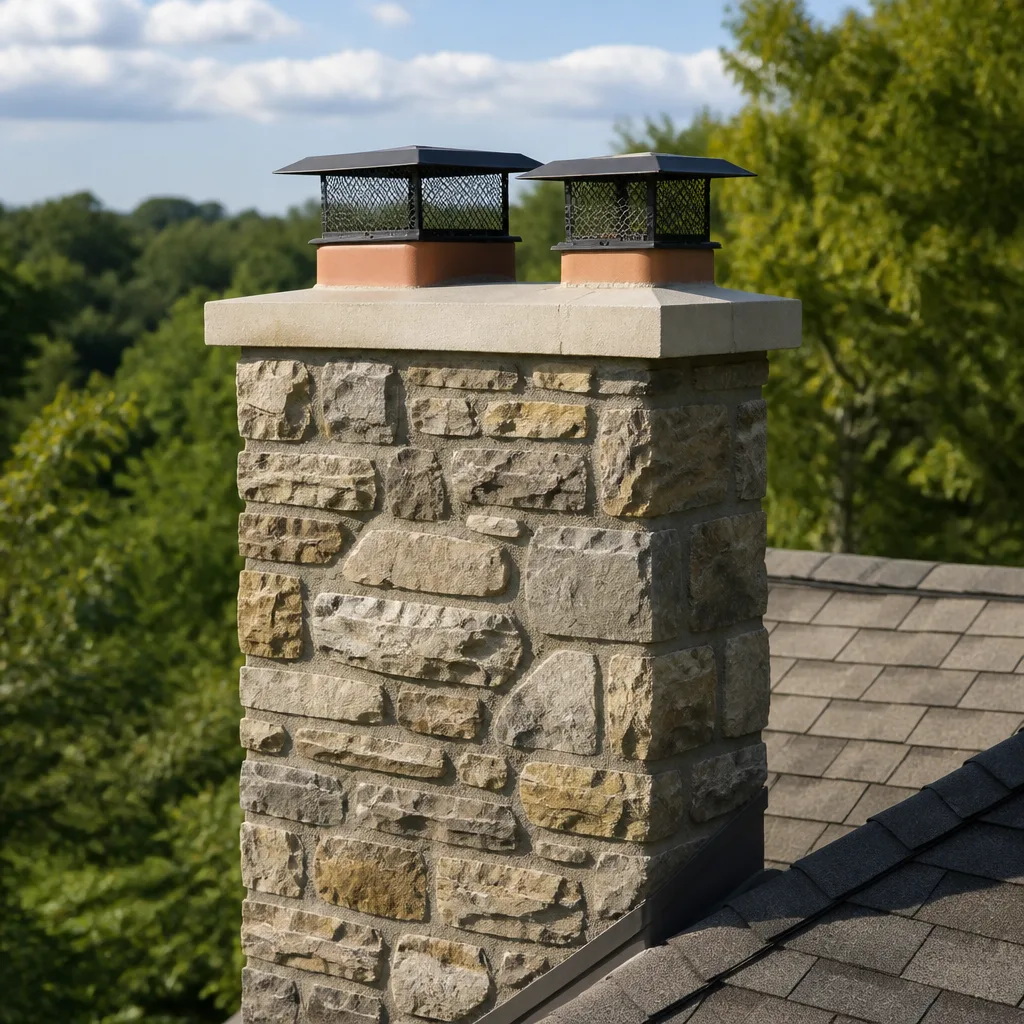 Caps & crowns
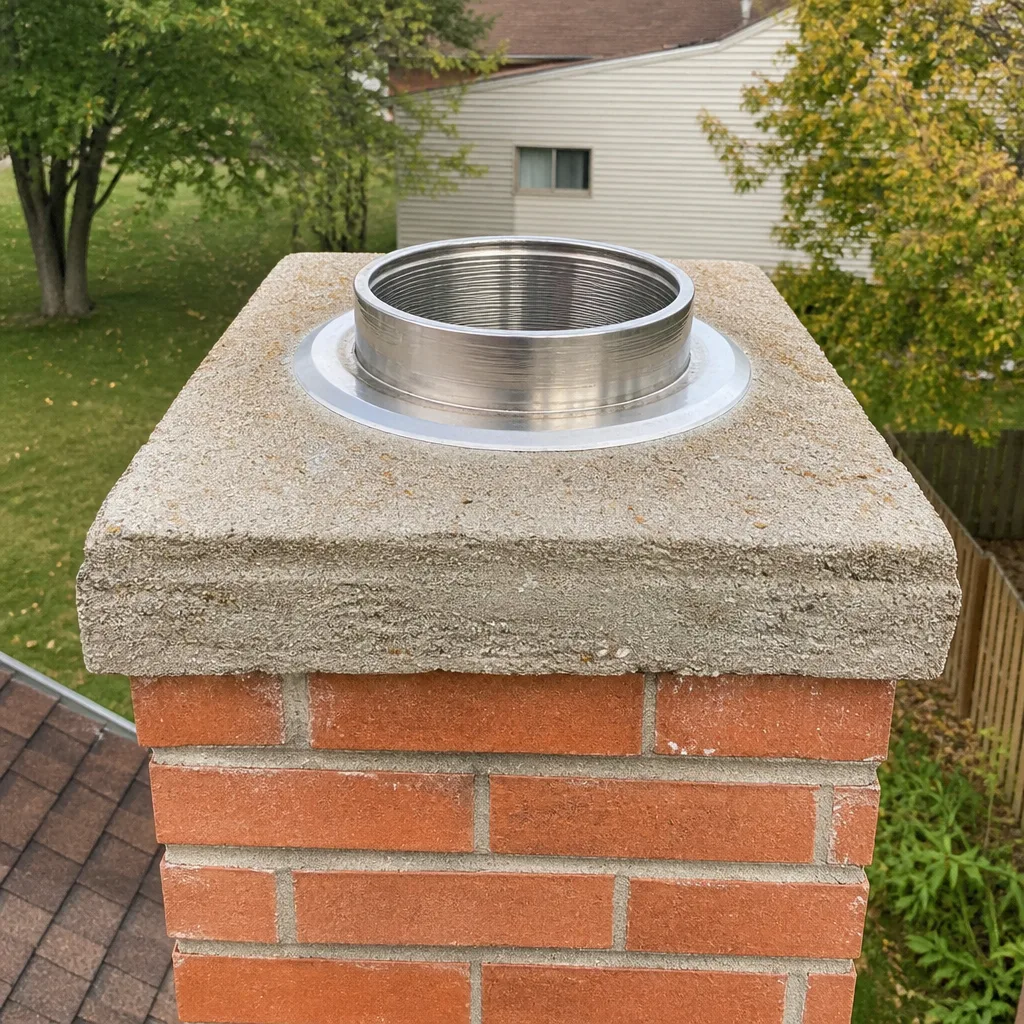 Flue relining
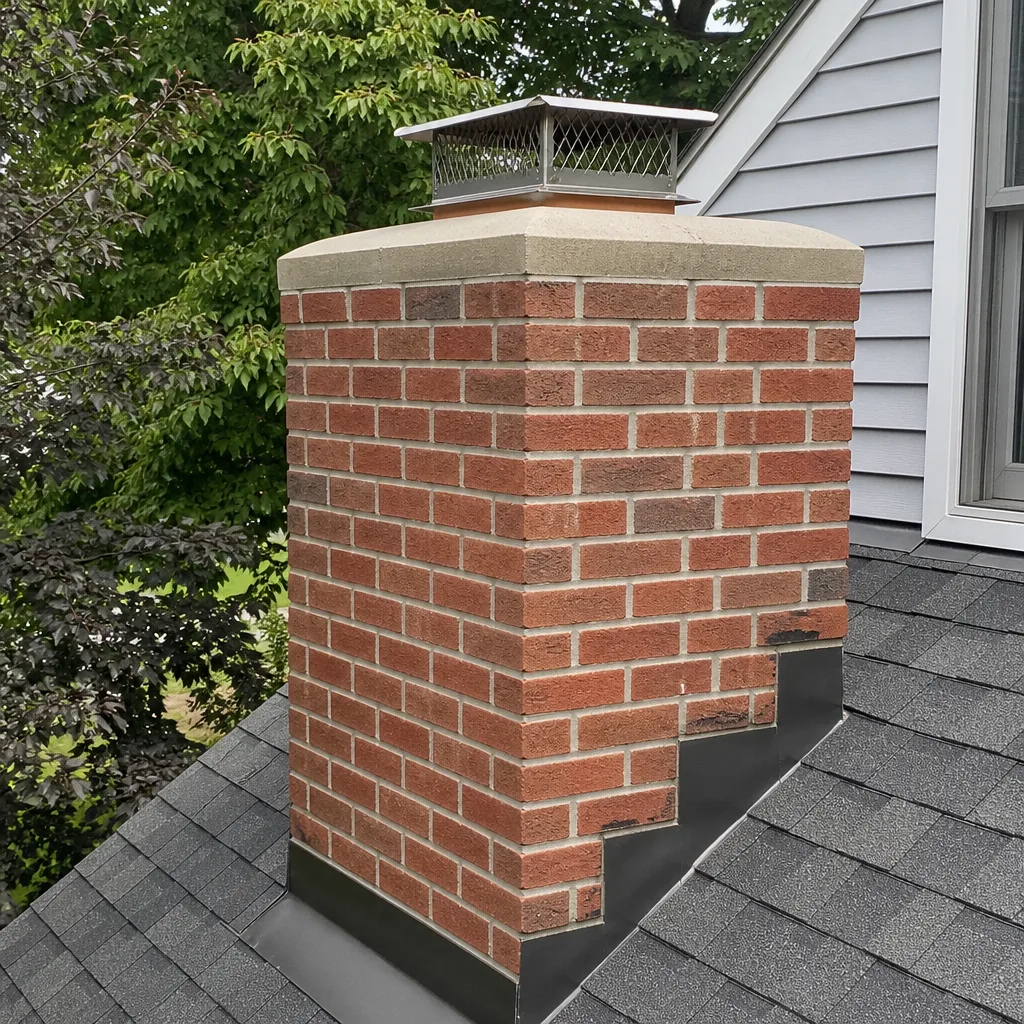 Masonry repair
Level 1 sweep and inspection to the NFPA 211 annual standard - flue, crown, cap, and flashing checked and photographed
Chimney sweep logs do not sweep chimneys. They loosen some creosote - which then falls where a brush and vacuum still have to collect it.
Why Atwater Village Homeowners Choose HeatShield Chimney Cleaning
Pearl Chimney Cleaning provides HeatShield in Atwater Village for independent chimney cleaning, inspection, and repair service, specializing in cast-in-place refractory liners that have aged alongside the neighborhood’s 1920s and 1930s chimneys. We’re not a HeatShield-authorized dealer, and we won’t pretend to be. What we are is a local company that has swept and repaired enough HeatShield systems in Atwater Village to know exactly how the Cerfractory coating behaves when it’s been applied over dirty clay tile, or when the original masonry underneath has started to fail after eight decades of thermal cycling. If your HeatShield-lined flue is drafting poorly, showing hairline cracks at the crown, or developing creosote faster than it should, call us at (833) 630-4048 for a Level 2 camera inspection and an honest diagnosis.
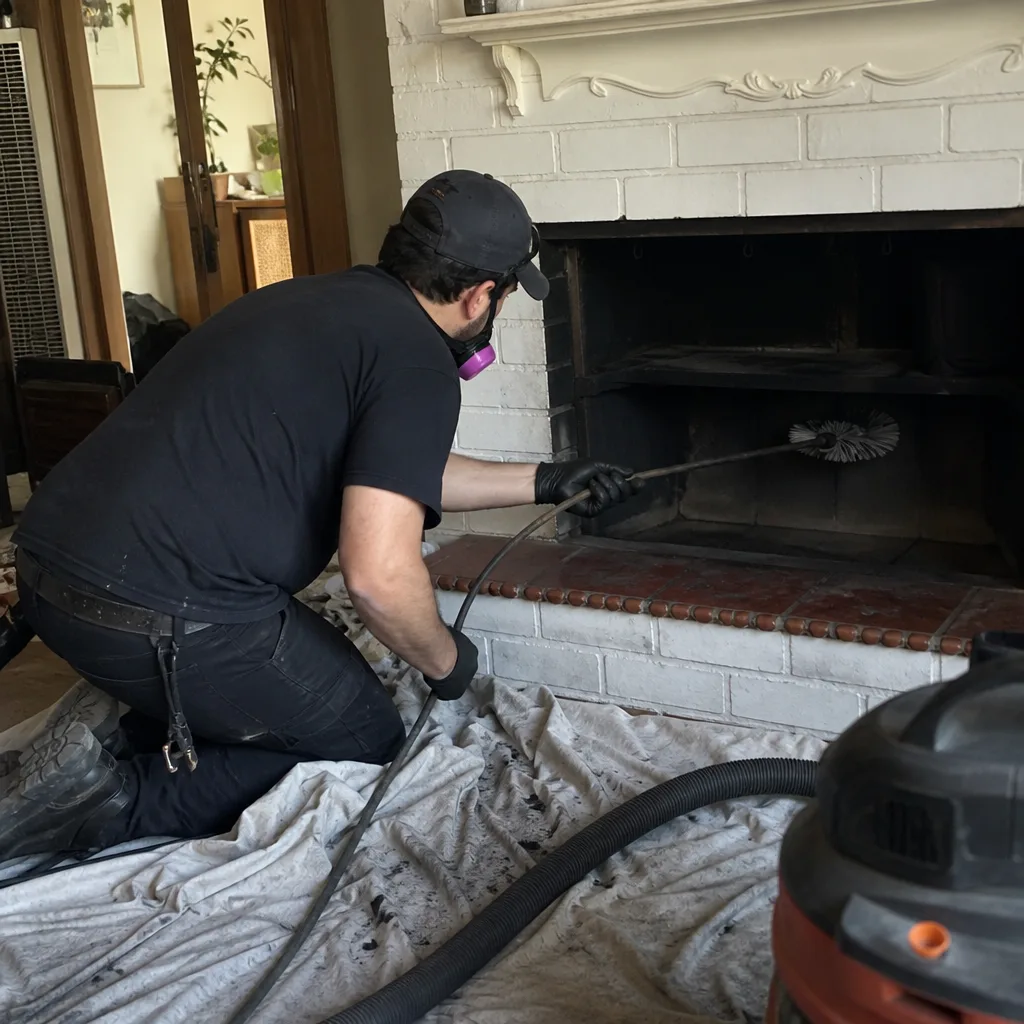
Why Trust Pearl Chimney Cleaning for Your HeatShield Chimney Cleaning?
HeatShield’s cast-in-place refractory system is a genuinely good product when it’s applied correctly to a properly prepared flue. The problem we see in Atwater Village homes is that “correctly” is a high bar, and not every contractor clears it. Phil Wagner, our owner, grew up a few blocks from the Los Angeles River in Atwater Village and trained in HVAC and venting fundamentals at Los Angeles Trade-Technical College before spending years on residential jobs across the Eastside. He’s the one who taught our crew to look past the glossy HeatShield brochure claims and actually check what’s underneath. A HeatShield coating is only as sound as the clay tile it adheres to, and in Atwater Village’s 1920s bungalows and Spanish colonials, that tile has been through earthquakes, decades of creosote exposure, and more than a few poorly executed previous repairs. We inspect the whole system, not just the visible surface, and that’s the difference between a sweep that misses a de-bonded liner and one that keeps your house safe.
Styles & brands we work with
- Sweep & inspection
- Caps & crowns
- Flue relining
- Masonry repair
- Gas fireplace service
Common HeatShield Chimney Cleaning Problems We Fix in Atwater Village
- De-bonded Cerfractory coating over dirty flue tiles. HeatShield’s Cerfractory Flue Sealant is designed to bond to clean, dry clay tile. When a previous contractor applied it over creosote residue or a damp flue, the coating blisters and separates within a few seasons. In Atwater Village’s older brick chimneys, where creosote buildup from decades of wood fires is common, this is the single most frequent HeatShield failure we correct. The fix is removal of the loose coating, thorough mechanical cleaning, and a properly applied re-coat, not just another sweep.
- Hairline cracking at the flue-to-crown transition. The joint where the refractory flue coating meets the concrete crown is the most thermally stressed point in any chimney. After years of Santa Ana-driven temperature swings, that joint opens up. We see this repeatedly in Atwater Village’s 80-to-100-year-old chimneys, where the crown itself is often spalled. We repair the crown with HeatShield heat-resistant refractory mortar and reset the transition so water can’t work its way in.
- Spalled clay flue tiles hidden beneath an intact-looking HeatShield coating. This is the one that generic sweeps miss. The HeatShield surface can look smooth while the original clay tile underneath has cracked and deteriorated. Our Level 2 camera inspection pushes through the coating to document what’s actually behind it. A flue that’s internally restricted is a draft killer and a carbon monoxide risk, full stop.
- Undersized or poorly seated HeatShield liners on fireplace inserts. When a homeowner adds a wood-burning insert or a high-efficiency gas log set to an Atwater Village fireplace, the original flue is often too small for the appliance. Some liners were sized wrong from day one, leaving the insert starved for combustion air and pushing smoke back into the living room. We evaluate flue volume against appliance requirements and correct the liner fit when needed.
- Accelerated creosote accumulation from palm and eucalyptus debris. Atwater Village’s palms and eucalyptus trees drop a surprising amount of material onto exposed chimney crowns. During Santa Ana wind nights, when homeowners are actively burning, that debris can partially block the flue and create creosote-friendly conditions. We clear crown debris as part of every HeatShield service call.
HeatShield Parts & Our Repair-vs-Replace Approach
HeatShield makes four product families we work with regularly: Cerfractory Flue Sealant for cast-in-place relining of clay tile flues, Resurfacing Compound for spalled tile and deteriorated mortar joints, heat-resistant refractory mortar for firebox and crown repairs, and insulating flue liner wrap for inserts and wood-burning appliances. We stock genuine HeatShield refractory products and keep high-quality compatible components on hand for repairs where a full HeatShield application isn’t warranted. We will not sell you a reline you don’t need. If a properly swept flue only requires a crown repair or a spot repoint, that’s what we’ll quote. If the original clay tile has failed and a cast-in-place reline is the honest fix, we’ll show you the camera footage and explain why. Call (833) 630-4048, and we’ll give you a straight answer, either way.
Our HeatShield Service Process – Step by Step
- 1
Level 2 camera inspection of the full flue path. Before we touch anything, we document the condition of the HeatShield coating, the clay tile beneath it, the crown, and the firebox. You see the footage, too, so there’s no mystery about what we’re recommending.
- 2
Targeted issue diagnosis. We identify whether the problem is the HeatShield system itself, the underlying masonry, the crown, or a draft issue unrelated to the liner. The fix depends on that diagnosis, not on which product we have on the truck.
- 3
Repair or reline with the right material. For de-bonded coatings, we remove the loose refractory, mechanically clean the flue, and reapply HeatShield Cerfractory or Resurfacing Compound per the system’s specs. For firebox damage, we rebuild with HeatShield refractory mortar. For liner-fit problems on inserts, we correct the sizing with an appropriate liner system.
- 4
Draft testing and documentation. After the repair, we run a smoke test and verify draft before we call the job done. You get a photo and video report of the finished work. No one walks away wondering what they paid for.
- 5
Warranty-backed follow-up. Our workmanship carries a warranty we stand behind, and we document everything for your records so future inspections have a baseline. If something shifts a year later, you know who to call.
See the difference
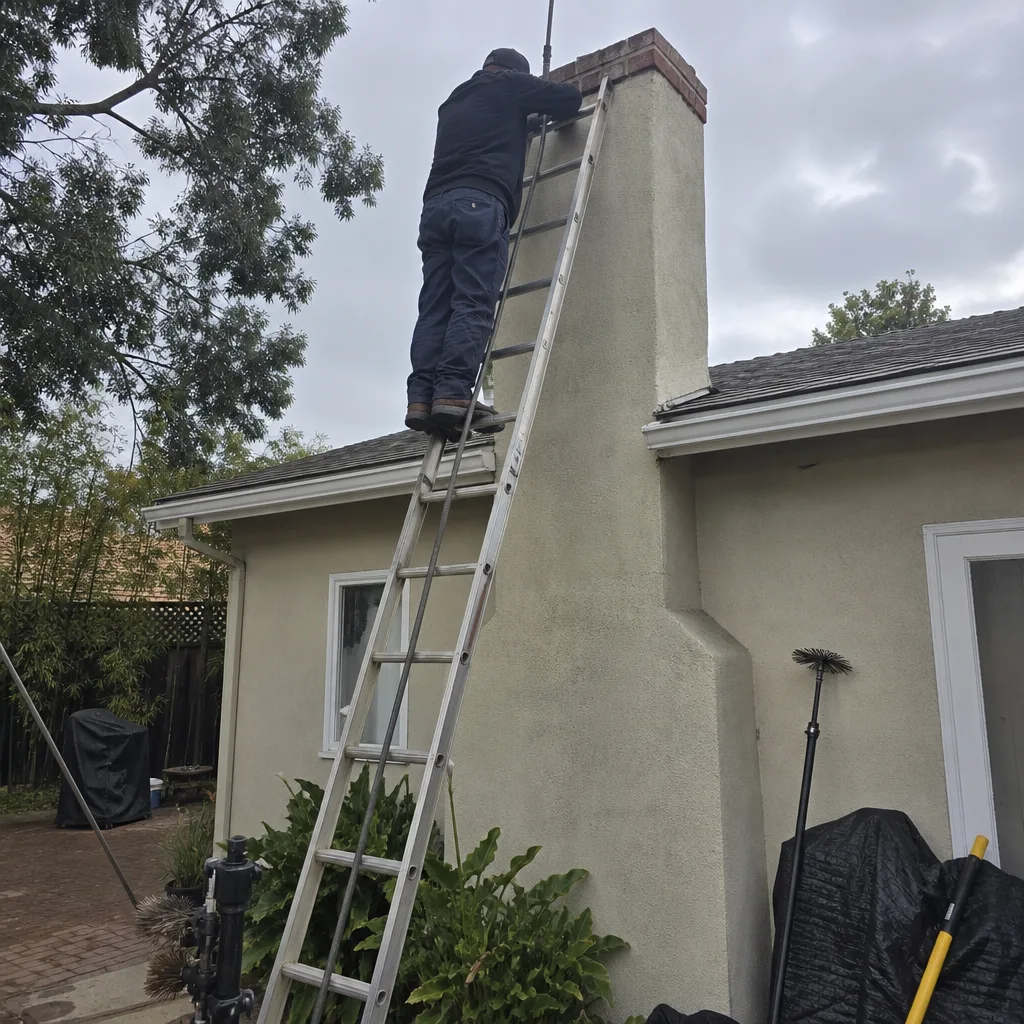 Before
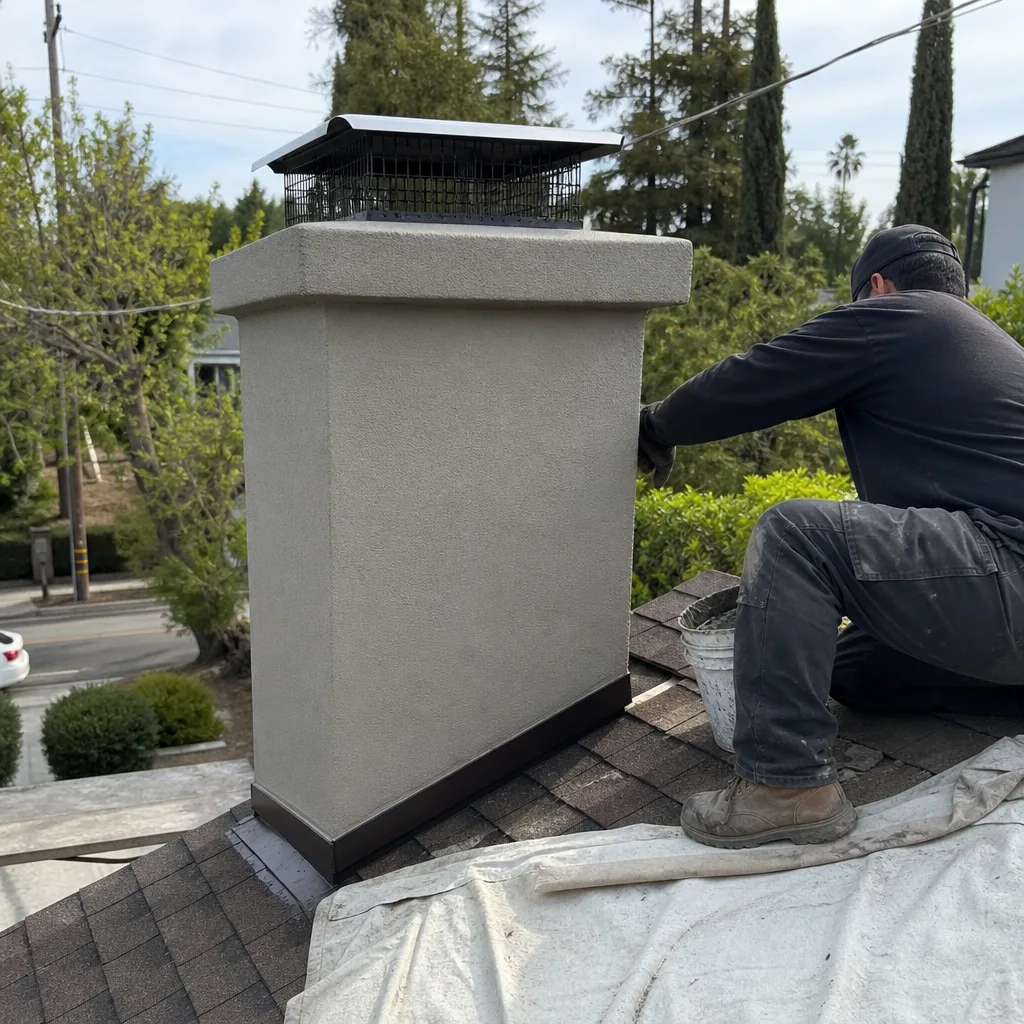 After
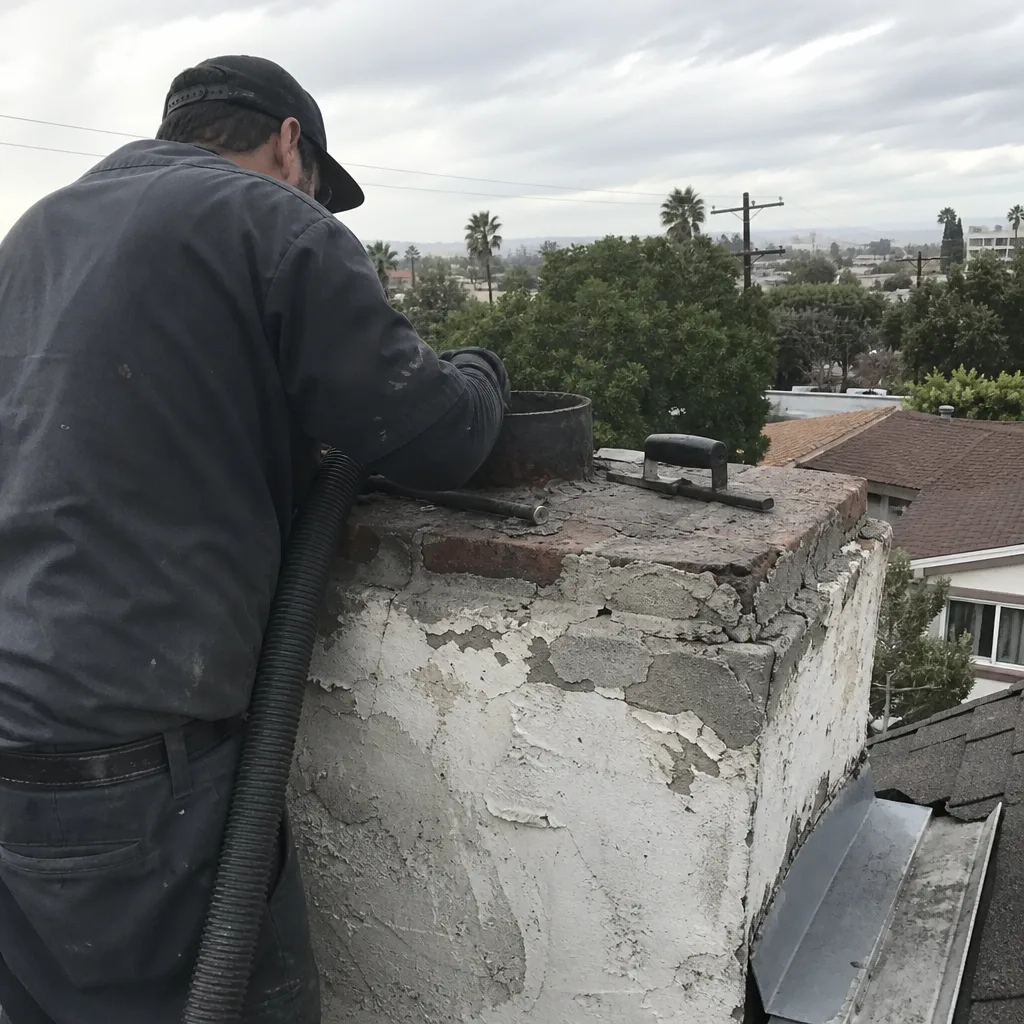 Before
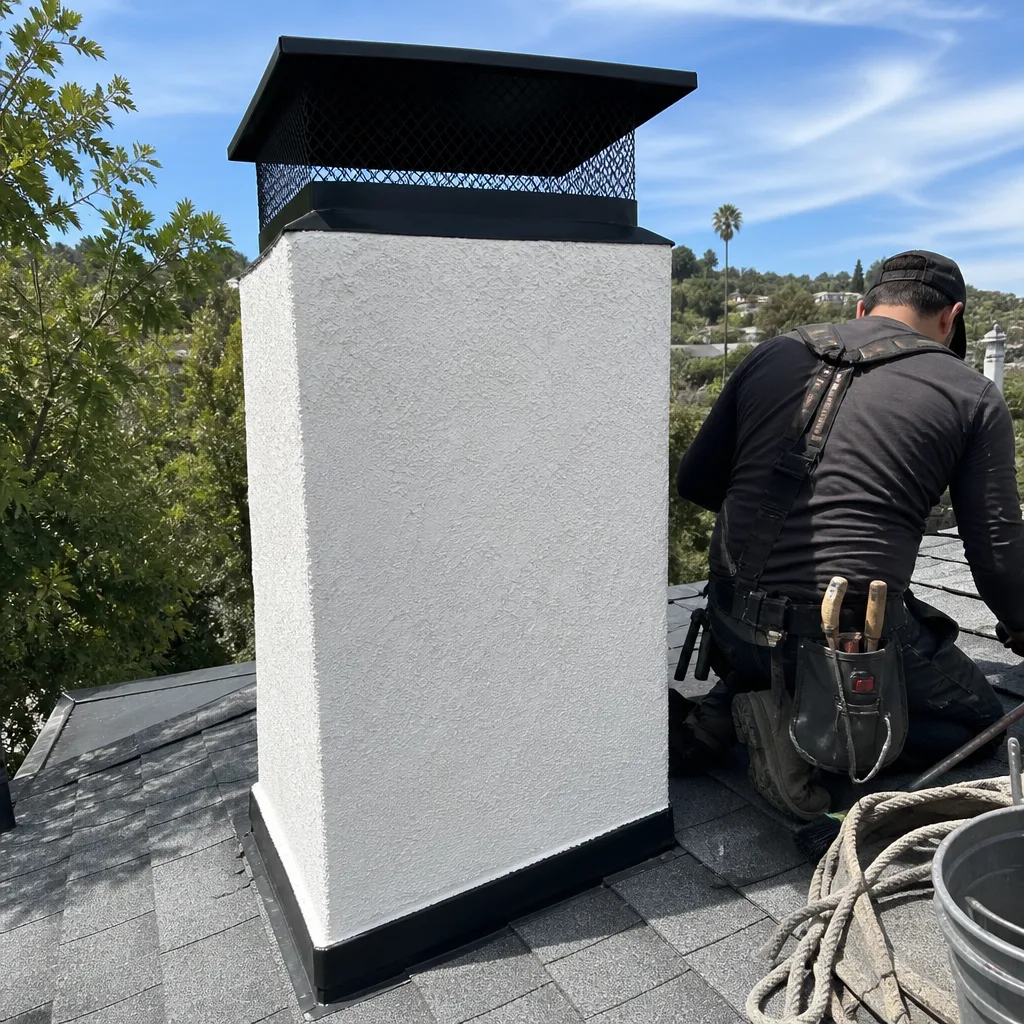 After
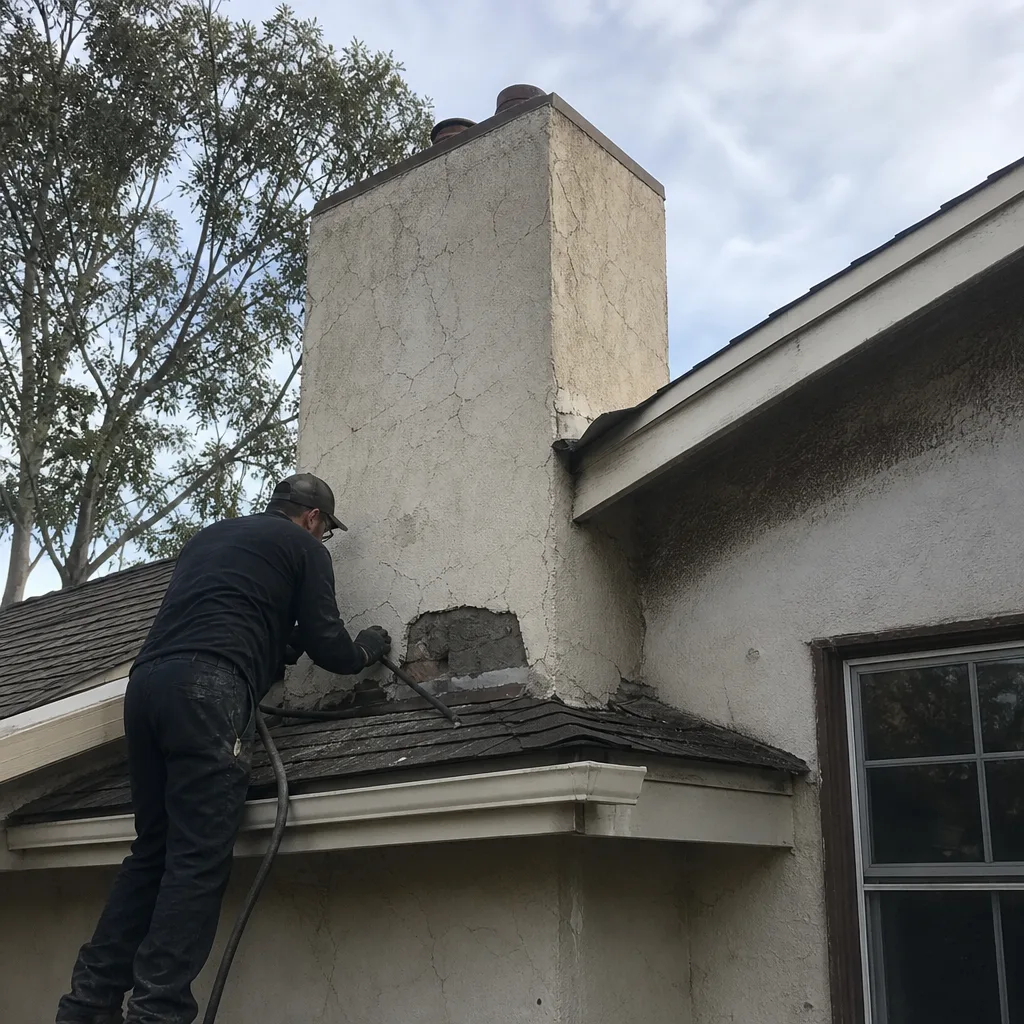 Before
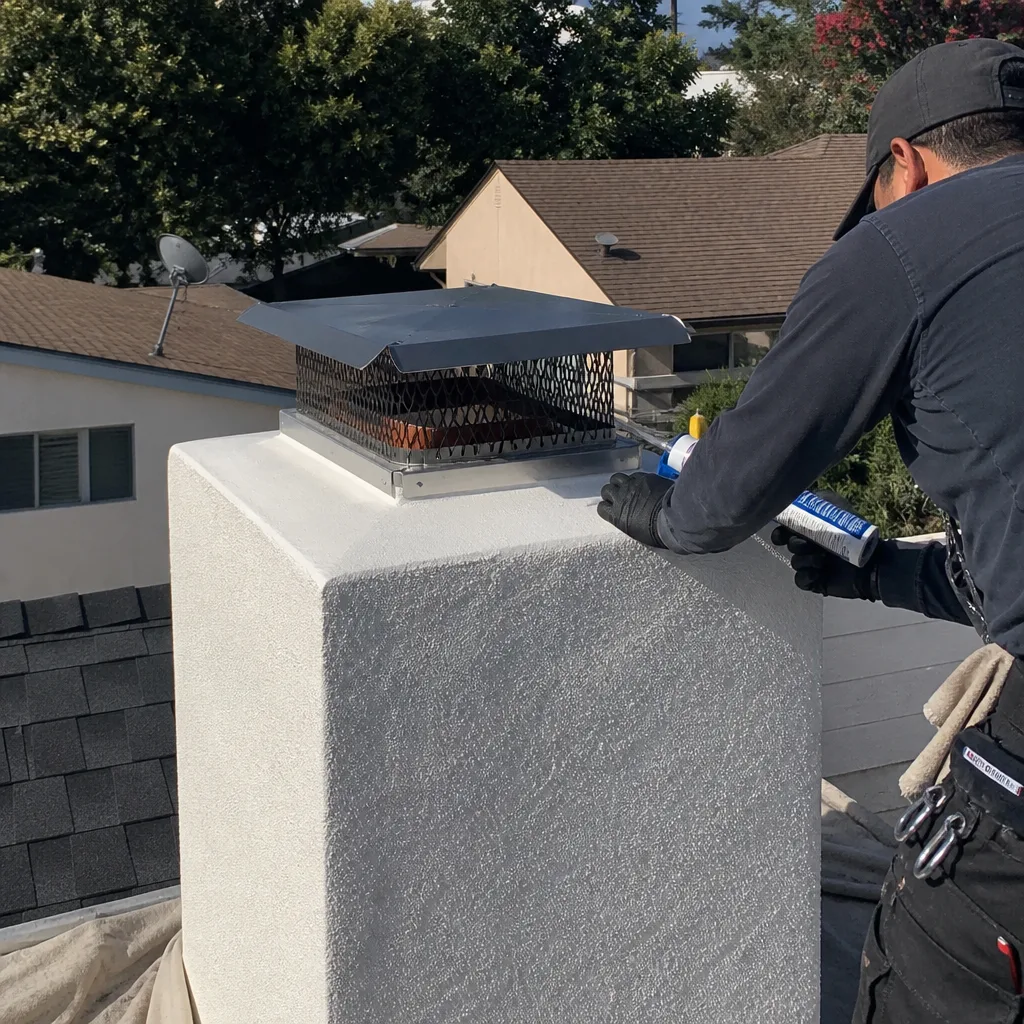 After
HeatShield Products We Service & Install in Atwater Village
We service and install the full HeatShield lineup relevant to Atwater Village’s aging chimneys, and we also offer HeatShield repair in Glassell Park: Cerfractory Flue Sealant for cast-in-place relining of deteriorated clay tile flues, Resurfacing Compound for spalled tile and cracked mortar joints, refractory mortar for firebox rebuilds and crown repairs, and insulating flue liner wrap for properly sizing inserts. We keep the core HeatShield products in local inventory, which means most repairs in Atwater Village don’t wait on a parts shipment from a distributor across town.
We Also Service These Brands
HeatShield is a significant part of our work, but it’s not the only system we trust. We also install and service DuraFlex stainless steel liner systems and Gelco chimney components. When a HeatShield reline isn’t the right call, we’ll tell you what is, and we’ll install that instead. A specialist who only knows one product line is just a salesperson with a uniform.
FAQs – HeatShield Chimney Cleaning Service in Atwater Village
Yes. Most of the HeatShield work we do in Atwater Village involves systems that were installed by another company years or even decades ago. We service and repair existing HeatShield cast-in-place linings regardless of who originally installed them. That includes de-bonded coatings, cracked crown transitions, and liners that were never properly sized for the fireplace they’re serving. Call (833) 630-4048 to schedule an inspection, and we’ll tell you exactly what condition your HeatShield lining is in.
It matters because HeatShield’s Cerfractory coating bonds mechanically to the clay tile surface, and creosote residue prevents that bond from forming correctly. A flue that was relined without thorough mechanical cleaning may look fine for a year or two, then start blistering and de-bonding. In Atwater Village’s older wood-burning chimneys, where decades of creosote are common, this is the root cause behind most of the HeatShield failures we correct. If you suspect your reline was applied over a dirty flue, a camera inspection will show it.
Usually, yes. A crack at the flue-to-crown transition is often a localized failure of the refractory mortar or the crown itself, not a sign that the entire HeatShield lining is shot. We repair the crown with HeatShield heat-resistant refractory mortar, reset the transition joint, and re-coat as needed. If the camera inspection shows the de-bonding extends deep into the flue, then a broader repair makes sense. We only recommend a full reline when the evidence supports it.
It can, and whether it helps or hurts depends on the sizing. A correctly sized HeatShield liner improves draft by creating a smooth, continuous flue path that pulls combustion gases up efficiently. An undersized liner restricts airflow and can cause smoke rollback into the room. Many Atwater Village and Mount Washington HeatShield repair customers live in homes built with flues too small for modern inserts, and adding the wrong liner makes it worse. We calculate flue volume against your appliance before recommending any liner change.
We find two distinct patterns. In homes that burn regularly during the Santa Ana cold snaps, we see the standard Stage 2 flaky creosote that comes from frequent low-temperature fires. In homes with palm and eucalyptus debris on the crown, we find denser, tar-like Stage 3 creosote where that debris has restricted airflow and cooled the flue gases. Both conditions are correctable with mechanical sweeping, but the underlying cause needs to be addressed, or the buildup returns quickly. We include crown clearing as part of every HeatShield service.
HeatShield chimney cleaning in Atwater Village typically runs $180 to $340 for a standard sweep and Level 1 inspection, with Level 2 camera inspections adding $75 to $150 depending on flue height and access. Repairs like crown work or spot repointing with HeatShield refractory mortar typically start around $250 and go up from there. A full cast-in-place reline is a bigger job, usually $2,500 to $5,000 depending on flue length and condition. Call (833) 630-4048 for a free estimate that’s based on your actual chimney, not a price sheet.
Book Your HeatShield Service in Atwater Village, CA
If your HeatShield-lined chimney is drafting poorly, showing signs of de-bonding, or you simply haven’t had it inspected since the last owner, call Pearl Chimney Cleaning at (833) 630-4048. We’ll schedule a Level 2 camera inspection, walk you through what we find, and give you an honest recommendation. Clean flue, clear conscience.
Written by Phil Wagner, Owner at Pearl Chimney Cleaning, serving Atwater Village, Los Feliz, and the surrounding Eastside. Phil grew up a few blocks from the Los Angeles River in Atwater Village, trained at Los Angeles Trade-Technical College, and has spent his career focused on the chimneys, flues, and fireplace systems most contractors are happy to hand off to someone else.