
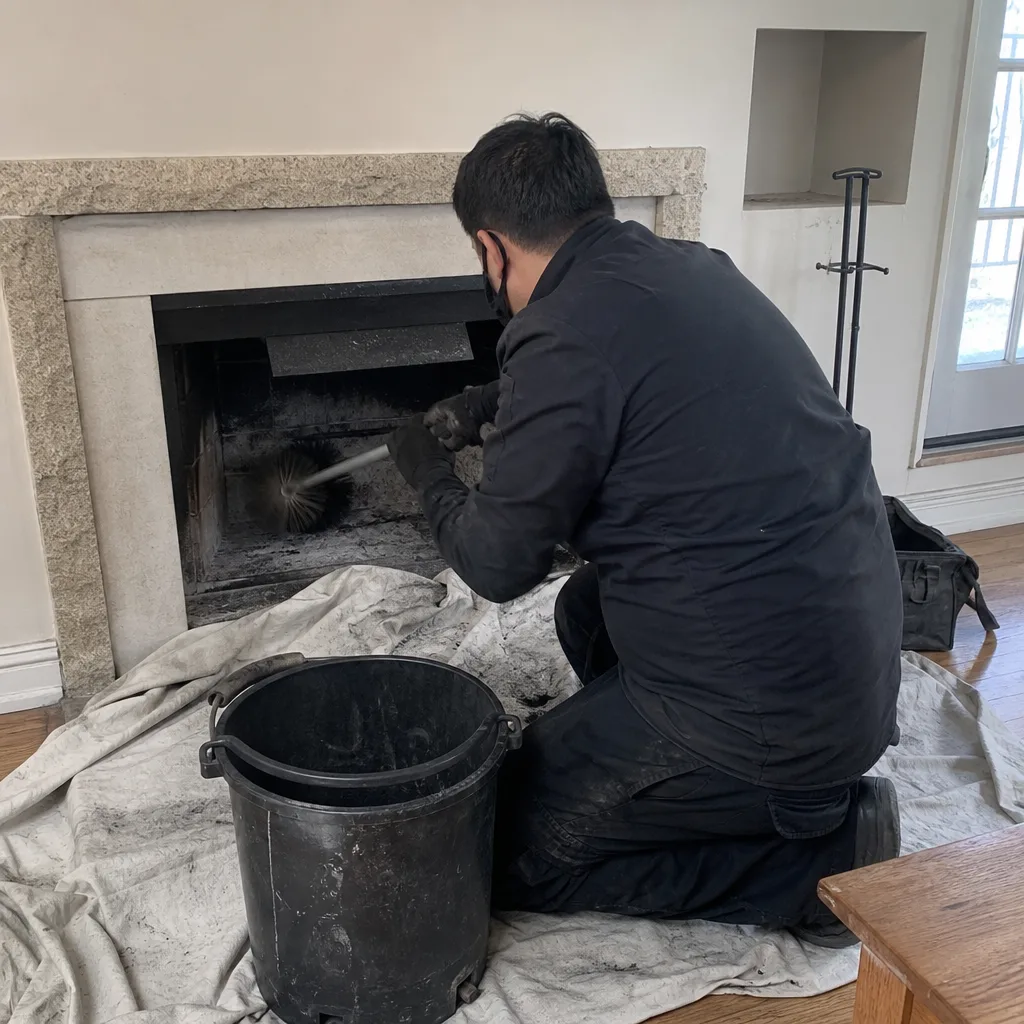
Last updated November 2, 2026
 Sweep & inspection
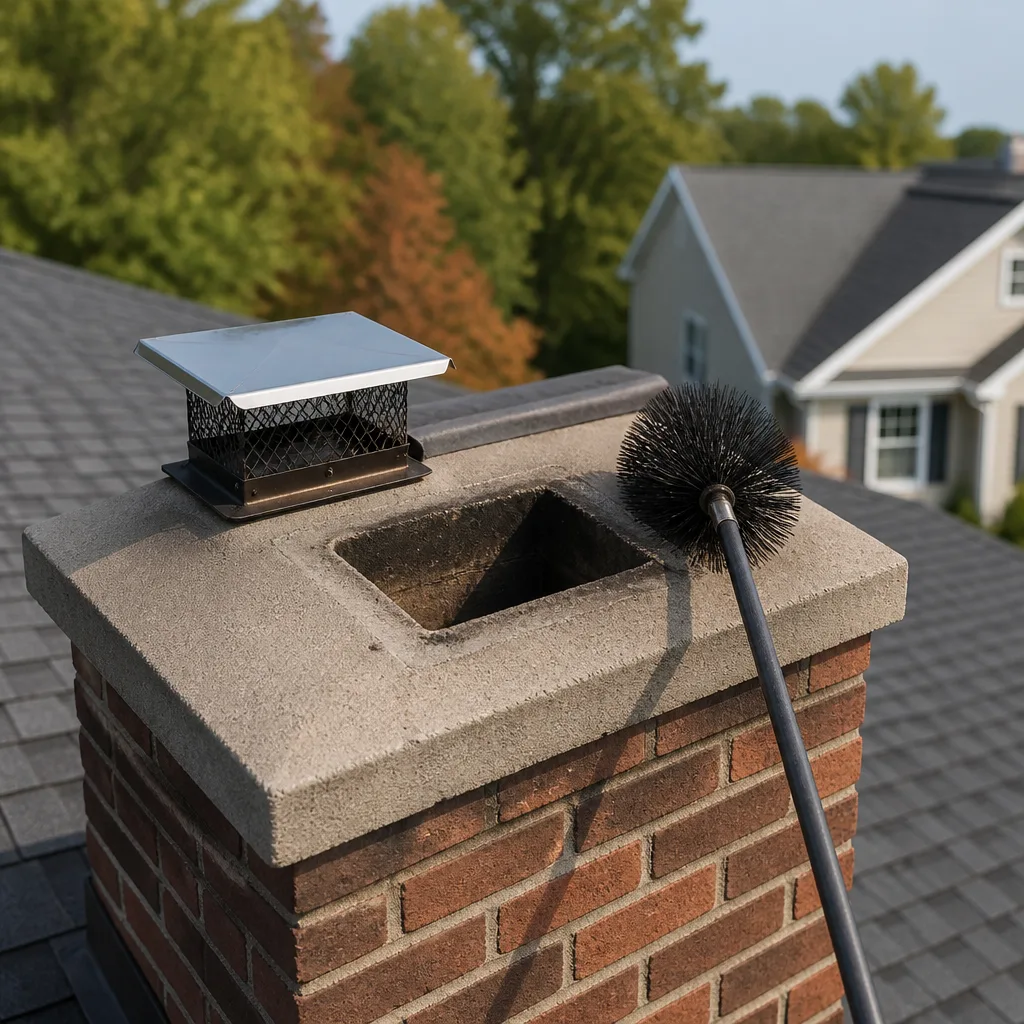
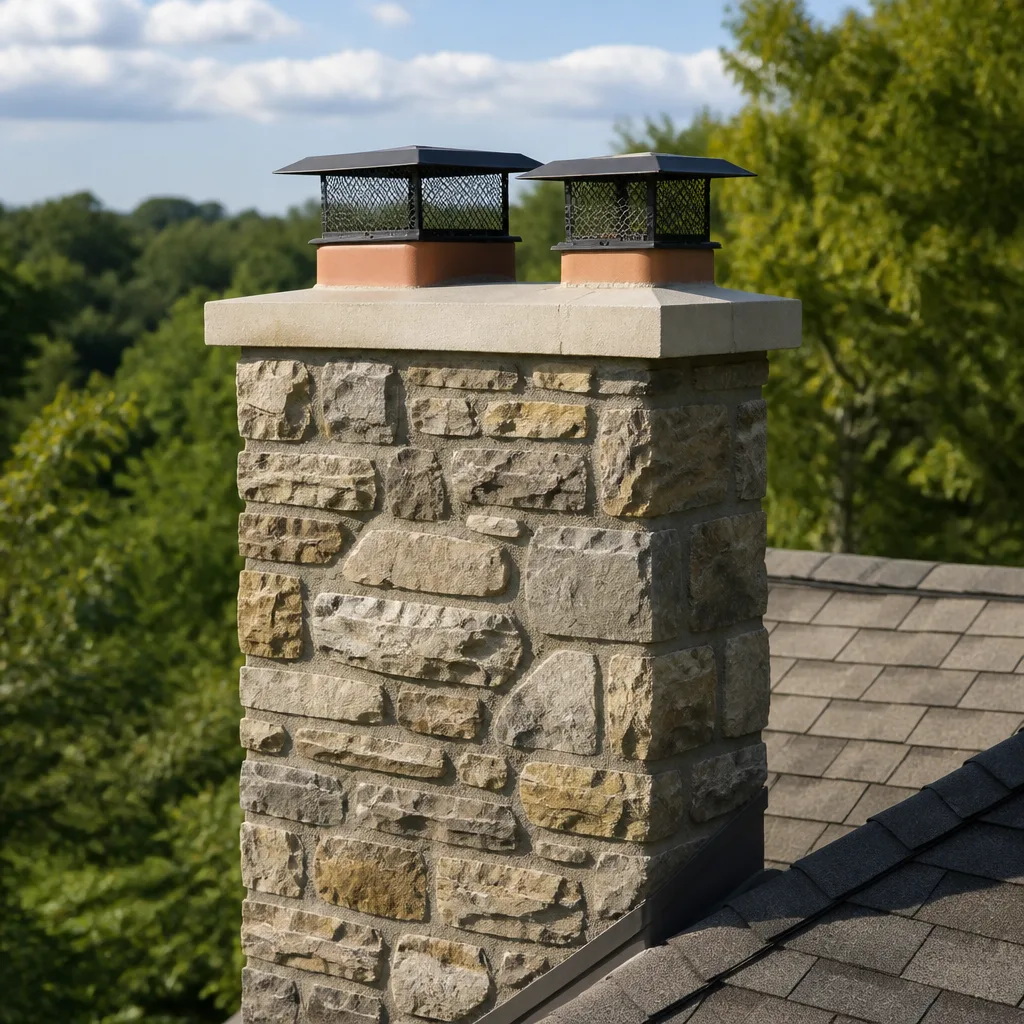 Caps & crowns
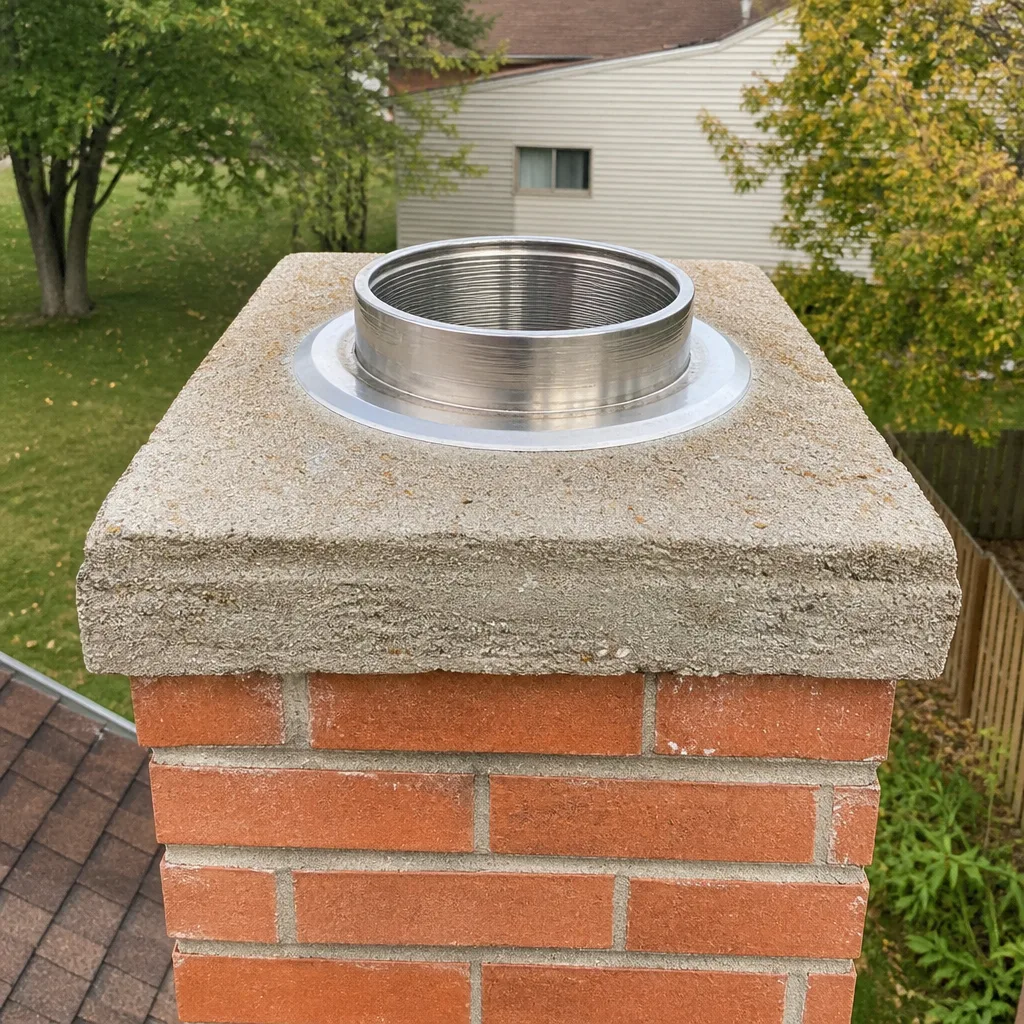 Flue relining
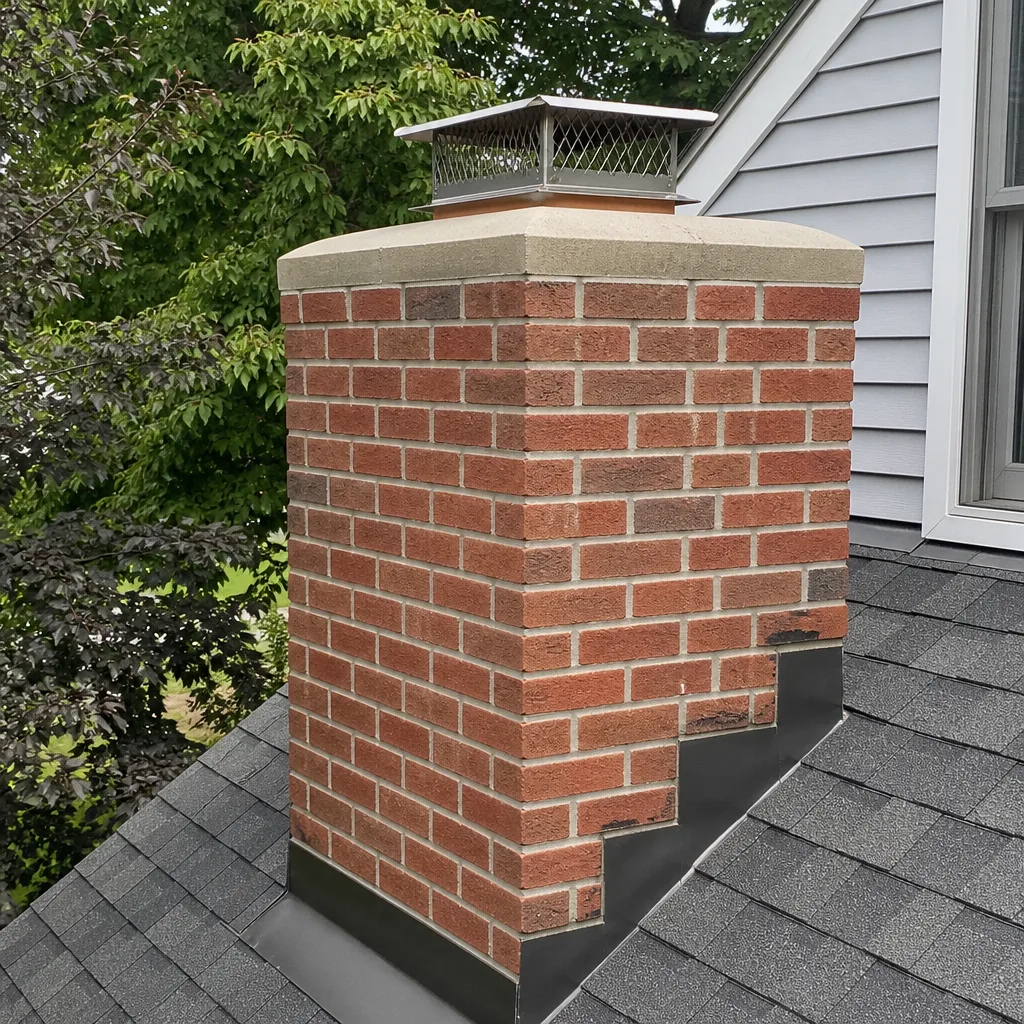 Masonry repair
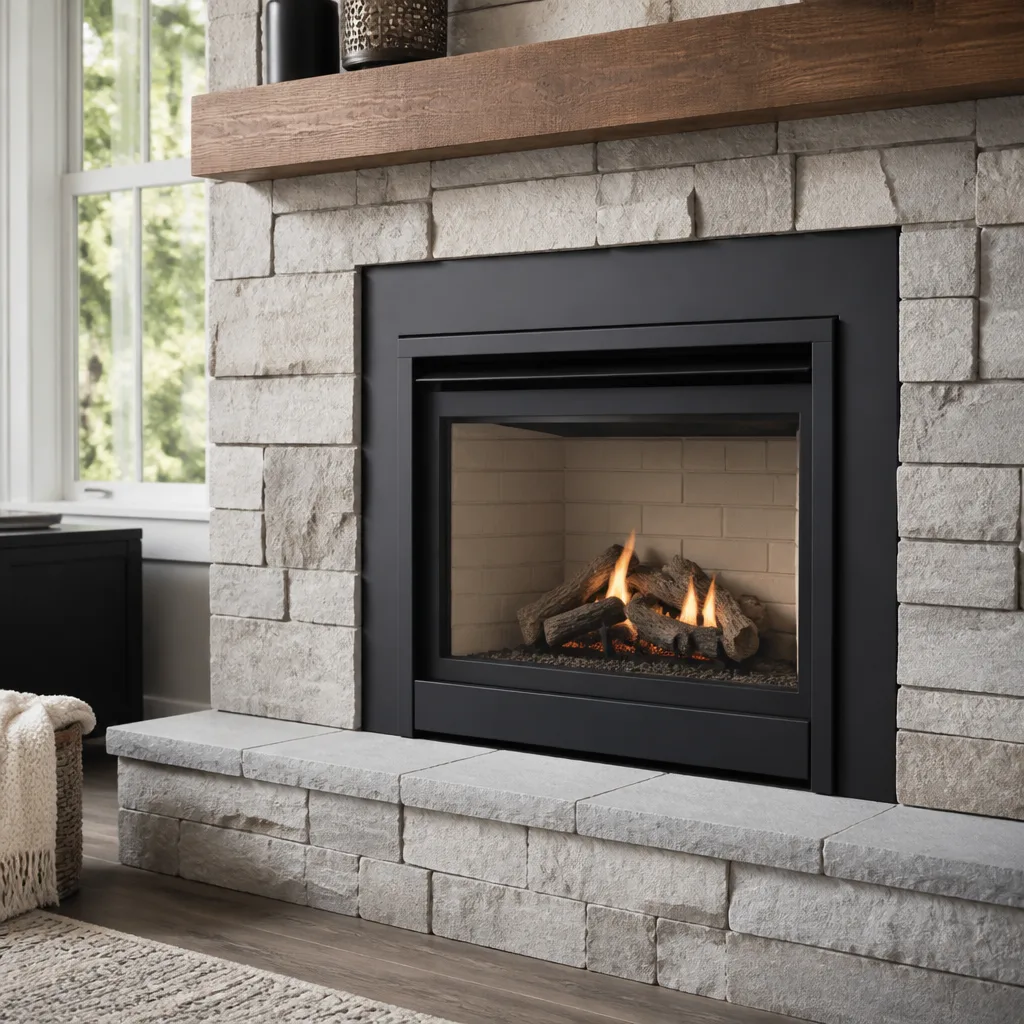 Gas fireplace service
Level 1 sweep and inspection to the NFPA 211 annual standard - flue, crown, cap, and flashing checked and photographed
Chimney sweep logs do not sweep chimneys. They loosen some creosote - which then falls where a brush and vacuum still have to collect it.
Seasonal Chimney Cleaning Care for Atwater Village: Year-Round Homeowner’s Guide
The conventional wisdom about chimney care was written for places with frost on the pumpkins and snow on the roof. In Atwater Village, telling a homeowner to “get the chimney swept before the first fire of fall” skips over the fact that our riskiest weeks often arrive in October, during the first hard Santa Ana blow, before anyone’s even thinking about a hearth fire. This guide replaces the four-season template with a calendar that actually maps to the Los Angeles Basin: Santa Ana wind cycles, marine layer humidity, and a fire season that no longer respects a start or end date. For Chimney Cleaning Emergency Preparedness in Atwater Village Homes, timing matters as much as technique. You’ll learn when to schedule a sweep, which months punish neglected mortar the hardest, and how gas versus wood systems change the entire rhythm.
Styles & brands we work with
- Sweep & inspection
- Caps & crowns
- Flue relining
- Masonry repair
- Gas fireplace service
Quick Answer
In Atwater Village, the smartest schedule is two chimney safety moments per year: a professional inspection and cleaning in late September or early October (before Santa Ana season peaks and before the first fire), and a lighter post-winter check in late February or March to catch any wind-driven or rain-driven damage before the marine layer sets in. Homeowners with gas fireplaces can stretch to a single annual inspection, but should not skip it entirely. The seasonal driver here isn’t temperature: it’s wind, humidity, and months of accumulated creosote meeting the first spark.
Table of Contents
- Why Atwater Village Needs Its Own Chimney Calendar
- Santa Ana Winds Are the Season You’re Actually Preparing For
- The Marine Layer: Summer’s Slow Attack on Mortar and Crowns
- Month-by-Month Chimney Care Calendar for Atwater Village
- Wood-Burning vs. Gas Fireplaces: Two Different Schedules
- The Post-Fire-Season Inspection Nobody Schedules
- Common Mistakes to Avoid
- When to Call a Professional
- Frequently Asked Questions
- The Bottom Line
Why Atwater Village Needs Its Own Chimney Calendar
National chimney advice runs on a calendar written for the Midwest and Northeast. Clean in September, burn from November to March, close the damper in April, repeat. Atwater Village doesn’t work that way. Our fireplaces get used sporadically from October through February, yes, but they also get used on chilly June evenings when the marine layer sits low over the LA River and a small fire takes the damp edge off the living room. And plenty of Atwater Village homes, especially the Spanish Revival bungalows on the hillside streets near the 2 Freeway, have fireplaces that sit dormant for years at a time. Dormancy is not the same as safety.
The real seasonal forces here are wind, humidity, and irregular use. The Santa Anas arrive in the fall and can blow for days, creating negative pressure inside flues and pulling debris into uncapped chimneys. The June Gloom and May Gray cycles keep outdoor humidity elevated for weeks, trapping moisture against brick and mortar. And the occasional-use pattern means creosote builds slowly, then sits, then gets hot again. That cycle degrades the deposits, making them harder to remove and, in some configurations, more flammable.
We’ve swept chimneys in Atwater Village that hadn’t been touched in a decade, in homes where the fireplace was “decorative.” Decorative fireplaces still connect to the roof. They still draw air. They still collect leaves, soot residue, and the occasional bee or bird. Our position, informed by thousands of flue inspections across the LA Basin, is that every chimney attached to a house deserves a seasonal awareness, even if it never sees a fire.
Santa Ana Winds Are the Season You’re Actually Preparing For
Ask most Atwater Village homeowners when chimney risk peaks and they’ll say “winter.” They’re half right. The first Santa Ana event of autumn, usually arriving in September or October, brings sustained winds out of the northeast that can gust over 30 mph in the LA River corridor. These winds create a drafting phenomenon that flips the normal air-pressure relationship inside a chimney.
Normally, the column of air inside a flue rises, carrying smoke and gases upward and out. During strong Santa Ana conditions, wind rushing over the top of the chimney can create a localized low-pressure zone, effectively acting like a vacuum on the flue opening. For a fire that’s burning, this can cause smoke to puff back into the living room. For a dormant fireplace, it pulls air down through the flue and into the house, bringing whatever is inside the chimney along with it: fine creosote dust, ash residue, and the stale odor of old fires.
The wind also deposits debris. Eucalyptus leaves and palm fronds from the trees that line Fletcher Drive and the residential streets off Glendale Boulevard are light enough to be carried long distances. In a single windy week, an uncapped flue can accumulate a layer of dry leaves at the bottom of the smoke shelf or on top of the damper. That debris is tinder. The first match of the season can ignite it before the fire even establishes a draft.
Preparing for Santa Ana season means doing the following, in order:
- Schedule the seasonal sweep and inspection by late September. This clears out accumulated dust, nests, and any debris from previous wind events.
- Confirm the chimney cap is seated and intact. A damaged or missing cap leaves the flue exposed to wind-carried debris and, during wetter Santa Ana reversals, direct rain entry.
- Check the damper seal. A damper that doesn’t fully close lets wind pressurize the flue and push odors and dust into the house, even when the fireplace is cold.
In our experience, the Atwater Village homes most affected by Santa Ana draft reversal are the ones on the east-facing sides of the hills, toward the river, where wind comes over the ridgeline and hits the roofline at an angle. These homes benefit most from a pre-wind-season inspection.
The Marine Layer: Summer’s Slow Attack on Mortar and Crowns
Summer in Atwater Village doesn’t feel like the season to think about chimneys. No fires burning, no wind events, no rain. But the marine layer that rolls in overnight, from late May through August and sometimes into September, creates a humidity cycle that causes more masonry deterioration than most homeowners imagine. Nighttime humidity regularly climbs above 80 percent while daytime sun pushes temperatures into the 80s and 90s. That daily expansion and contraction works on every mortar joint in the chimney stack.
Here’s what’s happening: brick and mortar absorb atmospheric moisture overnight, then bake in the afternoon sun. Mortar, being more porous than brick, absorbs more moisture and sheds it faster. Over enough cycles, the mortar weakens, spalls, and starts to crumble. The chimney crown, the concrete slab that caps the masonry stack, takes the brunt of it. Crowns crack under the strain, and those cracks let water in. Once water gets into the chimney chase, it accelerates the leaching of mortar salts and eventually reaches the flue liner.
In Atwater Village, this process is slower than in a freeze-thaw climate, but it is relentless because the cycle repeats almost daily for four or five months. The result is chimneys that look fine from the street but have significant internal masonry degradation. A homeowner might not notice until a ceiling stain forms near the chimney chase after an unusually wet winter, at which point the damage has been developing for years.
The summer maintenance period is June through August, and the essential steps are:
- Visually inspect the chimney crown from the ground or a safe roof access point. Look for hairline cracks, spalled sections, or standing-water staining. A cracked crown is the leading entry point for chimney moisture damage in this climate.
- Apply or refresh crown sealant if cracks are found. This is a same-day fix that extends the life of the entire stack. The alternative is a full crown rebuild, which is significantly more invasive.
- Check flashings where the chimney meets the roofline. The marine layer’s moisture works its way into any gap, and the rust around traditional flashings accelerates in coastal humidity.
- Leave the damper closed on damp mornings. This prevents humid outside air from being drawn into the flue, where it can condense on cooler interior surfaces and keep the flue damp for hours.
We’ve inspected Atwater Village chimney crowns in August that were textbook cases of marine-layer fatigue: cracks running across the entire crown, moisture staining around the flue tile, and mortar that crumbled on contact. None of these chimneys were in active use. The owners simply hadn’t thought about the chimney in years because they never built fires. The marine layer doesn’t care whether you burn wood. It does its work regardless.
Month-by-Month Chimney Care Calendar for Atwater Village
This calendar assumes a wood-burning fireplace that sees occasional use in the cooler months and a chimney that is structurally sound. If you have a gas fireplace, see the next section. If you live in an Atwater Village home with a masonry chimney older than 40 years, or if you’ve never had the chimney inspected since moving in, start with an inspection regardless of the month. Also review Chimney Cleaning Permits, Codes & Inspections in CA: What You Need to Know before scheduling major work.
January
The coldest month in the LA Basin, and the month when the most fires get lit in Atwater Village. If you’ve been burning since October, creosote has built up by now. A mid-season check is prudent if you’ve burned more than a dozen fires or if you’ve noticed any change in the way the fireplace draws. Keep an eye on the ash level: a thin layer of ash on the firebox floor actually helps insulate the fire, but more than an inch should be removed. Use a metal ash can and store it outside, away from the house. Atwater Village alleys and narrow side yards put ash containers close to fences and dry brush, so take that extra step of distance.
February
The atmospheric rivers that occasionally reach Los Angeles in February are the first significant rainfall test of the season. After any sustained rain, check the ceiling around the chimney penetration for water stains, and look at the exterior brick for dark, damp patches that persist after the surrounding surfaces have dried. Persistent dampness on the chimney breast or the attic side of the chase points to failed flashing or a cracked crown. This is the month to schedule any masonry repairs found during the fall inspection, before the marine layer season starts complicating moisture cycles.
March
Fireplace use tapers off, but the chimney’s work isn’t done. March is the best month for a post-winter inspection and cleaning in Atwater Village. The Santa Ana season is over, the rainy season is mostly done, and the marine layer hasn’t started in earnest. A professional sweep in March resets the system: creosote removed, flue inspected for any wind-season damage, and the chimney buttoned up for the humid months ahead. We recommend scheduling this before mid-April. Once the marine layer settles in, any moisture that finds its way into the flue sits there for weeks.
April through May
May Gray arrives, then June Gloom. The air stays damp, and the chimney, if it has any breaches, absorbs that moisture. April and May are also the months when birds and rodents are active. Chimney swifts and other birds nest in uncapped flues during this period, and squirrels will happily use a chimney chase as a highway. If you hear scratching or chirping from the chimney in spring, don’t wait. A live nest blocks the flue and introduces combustible material directly above the firebox. The chimney sweep in Atwater Village we provide includes inspection for animal intrusion and removal of any nesting debris.
June through August
This is the marine-layer maintenance window covered above. It’s also the season when most homeowners in Atwater Village discover they have a chimney problem precisely because they notice a musty smell coming from the fireplace. That odor is the signature of a chimneys-worth of damp creosote, leaves, and dust turning into a humid little ecosystem. The fix is usually a sweep plus a crown seal. The smell disappears once the flue is clean and dry.
September
The single most important month on the Atwater Village chimney calendar. The first Santa Ana event can arrive by late September, and the fire season is at its driest. Schedule the pre-season sweep and inspection now, even if you haven’t used the fireplace since winter. September sweeps also give you a window to handle any repair work before the holiday season, when the urge to build a fire meets whatever condition the flue is in. The Pearl Chimney Cleaning home page has current scheduling availability, and we always hold more openings in September than any other month.
October through November
Santa Ana season in full force. If you burn during Santa Ana wind events, be aware of the draft-reversal risk described earlier. Keep the damper closed when the fireplace isn’t actively burning. If you notice the smell of smoke in the house after a fire has gone out, or if you smell old soot on windy days, that’s negative pressure at work. Inspect the cap and the damper. These months are also when the highest number of chimney fires occur nationally, and Atwater Village is not exempt. A clean flue is the primary defense.
December
Holiday use can be heavy, but the chimney is already clean from September. What December brings in Atwater Village is occasional rain, and rain plus a hot flue can cause thermal shock to aged terra cotta liners. If your chimney is older and the liner hasn’t been inspected with a camera in the last five years, consider scheduling a camera inspection this month. We stock and install HeatShield and DuraFlex liner systems, so if the inspection reveals cracks, the repair quote comes with specific, material-level options rather than a vague recommendation to reline. The brands matter: a HeatShield resurfacing job is a different solution and cost than a full DuraFlex stainless liner replacement, and you should understand the tradeoff before deciding.
Wood-Burning vs. Gas Fireplaces: Two Different Schedules
Atwater Village homes sit in both camps. The older bungalows and Spanish Revival houses often retain their original wood-burning fireplaces, while many post-1950s homes and converted duplexes have gas logs or a gas insert. The seasonal care calendar diverges significantly.
Wood-burning systems produce creosote, which accumulates with every fire. They need the fall sweep, the post-winter check, and the marine-layer awareness for masonry. They also need the cap and the damper seal in good condition, because a wood flue that isn’t drawing is a wood flue that’s dumping smoke and carbon monoxide issues into the living space.
Gas fireplaces and gas logs don’t produce creosote in the same way, but they produce acidic byproducts and can still accumulate debris, insect nests, and corrosion. A gas log set sitting in a masonry fireplace is still venting into a masonry flue, and that flue still gets wet, still collects leaves through a missing cap, and still needs to draft properly. The key difference is interval: a gas fireplace that vents through a sound flue can typically go 18 to 24 months between professional cleanings, though an annual visual inspection remains the safer practice.
Gas inserts with a direct-vent pipe system are a different animal. The pipe should be inspected every two years at minimum, more often if you use the insert as a primary heat source. And gas systems have one risk wood systems don’t: the heat exchanger or gas valve can fail silently. You won’t smell the failure until it’s a problem. An annual combustion-safety check is the right cadence for Atwater Village homes with gas inserts used regularly.
The Post-Fire-Season Inspection Nobody Schedules
Here’s a scenario we see repeatedly in Atwater Village. A homeowner burns six or eight fires from October through January. The season ends. The fireplace goes dormant. The following October, they call for a sweep and ask us, “Why is there so much smoke backing up?” The answer is that the flue has been sitting dirty for nine months, and what was a normal amount of creosote in January has transformed into a hardened, glossy deposit by October. That deposit, called stage-three creosote, is much harder to remove and significantly more flammable.
What the homeowner needed was the post-fire-season inspection, a cleaning scheduled after the last fire of the season rather than before the first fire of the next. The post-season sweep has advantages:
- Creosote is removed while it’s younger and easier to clean. Fresh creosote is brushable. Seasoned creosote may require rotary cleaning or chemical treatment.
- The flue gets a structural check before the marine layer starts its work. Any damage found can be repaired during the dry, mild spring weeks, not under September’s time pressure.
- You go into fire season clean. When the first Santa Ana hits and you want a fire, the chimney is already ready.
The post-season sweep applies most to homeowners in Atwater Village who burn regularly. If you burn fewer than five fires a year, the pre-season sweep alone is likely sufficient, but you should still do an annual inspection.
Common Mistakes to Avoid
- Waiting until you smell smoke to schedule a sweep. By the time a smoke-backup or persistent odor appears, the flue has a significant buildup or a structural problem. The cleaning should happen before the symptom shows.
- Assuming a decorative fireplace needs no care. Even a never-used chimney in Atwater Village still accumulates debris, still absorbs marine-layer moisture, and still needs a cap and a sound crown. Decorative fireplaces are often the worst offenders because years of neglect compound silently.
- Closing the damper too soon after the fire is out. The coals are still off-gassing for hours after the flames die. Closing the damper traps those gases in the house. Wait until the firebox is cool to the touch, then close.
- Skipping the chimney cap because “it never rains here.” The cap’s primary job in Atwater Village isn’t rain protection. It’s wind and animal defense. A bare flue during Santa Ana season is an open pipe for flying debris and back-drafting smoke.
- Using the fireplace during Santa Ana warnings. Strong wind over the flue can reverse the draft and send smoke and carbon monoxide into the room. If the wind is strong enough to be notable, hold off on the fire.
- Failing to inspect the chimney after buying an older Atwater Village home. The previous owner’s maintenance history is usually unknown. A camera inspection of the flue and a close look at the crown and flashings should be part of any move-in checklist.
- Making DIY repairs to masonry or damper components. Chimney repair involves working at height and dealing with fire-rated materials. A homeowner who patches a crown with regular concrete has set a time bomb. The material fails, and the failure is hidden until the water damage shows up inside the house.
When to Call a Professional
Call a professional when you see any of the following: water stains on the ceiling near the chimney, spalling or crumbling brick on the exterior stack, the persistent smell of old smoke on windy days, animal sounds from the flue, or smoke entering the room when the fireplace is lit. Any masonry repair above the roofline is a professional job, as is any work involving the flue liner or the damper assembly. A certified sweep can complete an inspection and give you honest guidance on what needs immediate attention and what can safely wait. Chimney repair in Atwater Village is a core service of ours, not a referral, and Pearl Chimney Cleaning offers free estimates. Call (833) 630-4048.
Frequently Asked Questions
A standard chimney sweep and inspection in Atwater Village typically runs between $180 and $350, depending on the condition of the flue, the type of fireplace, and whether any animal or debris removal is required. If the sweep reveals the need for repair work, that’s quoted separately. For a detailed breakdown, see our Chimney Cleaning Cost Breakdown: The Atwater Village Homeowner’s Reference for 2026. Call (833) 630-4048 for a free estimate based on your specific chimney.
A wood-burning fireplace that gets used regularly should be swept at least once a year, ideally before the burn season begins. If you burn more than a cord of wood per season, or if you burn sappy, unseasoned wood, schedule twice a year. Gas fireplace flues can go 18 to 24 months between cleanings but should get an annual visual inspection. The exact interval depends on usage, flue condition, and what kind of fuel you burn. A professional can set the right schedule after one inspection.
Not always. Hairline cracks in a terra cotta liner that haven’t compromised the flue’s structural integrity can sometimes be addressed with a resurfacing product like HeatShield rather than a full replacement. Deeper damage may require a stainless steel liner system, such as DuraFlex, installed through the existing flue. The key is getting a camera inspection so you’re making the decision based on what the flue actually looks like, not a guess. We always show the homeowner the camera footage before discussing options.
Creosote accumulates into a hardened, glossy layer that becomes more flammable and more expensive to remove as it thickens. The chimney crown and mortar deteriorate under the marine-layer humidity cycles, letting moisture into the masonry and eventually the house. A missing or broken cap allows debris and animals in. None of these failures announces itself. They build until a chimney fire, a water stain, or a smoke backup forces the issue. The cost of prevention is always smaller than the cost of repair.
Most homeowners’ insurance policies in California don’t mandate chimney cleaning as a policy condition, but insurers do expect homeowners to maintain their property. A chimney fire traced to decades of unmaintained creosote buildup can be grounds for a claim dispute. Keep records of your sweeps and inspections. They’re your documentation that you maintained the system.
September is the best month for a pre-season sweep, because it clears the flue before Santa Ana season and before the first fire. March is the best month for a post-season sweep, because it resets the system before the marine layer’s humidity starts working on the masonry. If you only schedule once a year, schedule September. Call (833) 630-4048 to book either window.
The Bottom Line
Atwater Village chimney care runs on a calendar of its own. The marine layer dictates the summer months, when masonry takes its annual beating. The Santa Anas govern the fall, when drafting risks and debris accumulation peak. The burn season, brief and irregular, leaves behind creosote that then sits through the humid spring. The pattern is clear: a September sweep before the winds, a March post-season check before the June Gloom, and a quick visual inspection whenever the wind howls or the ceiling shows a shadow. If you live in Atwater Village, your chimney needs to work on this schedule. Pearl Chimney Cleaning provides the sweeping, the inspection, the dryer vent cleaning, and the repair work, all under one roof, with professional-grade components we’re glad to name. For more guides & resources on keeping your system safe year-round, visit our blog. Clean flue. Sound liner. Safe home.
Written by the team at Pearl Chimney Cleaning, serving Atwater Village since 2013.
See the difference
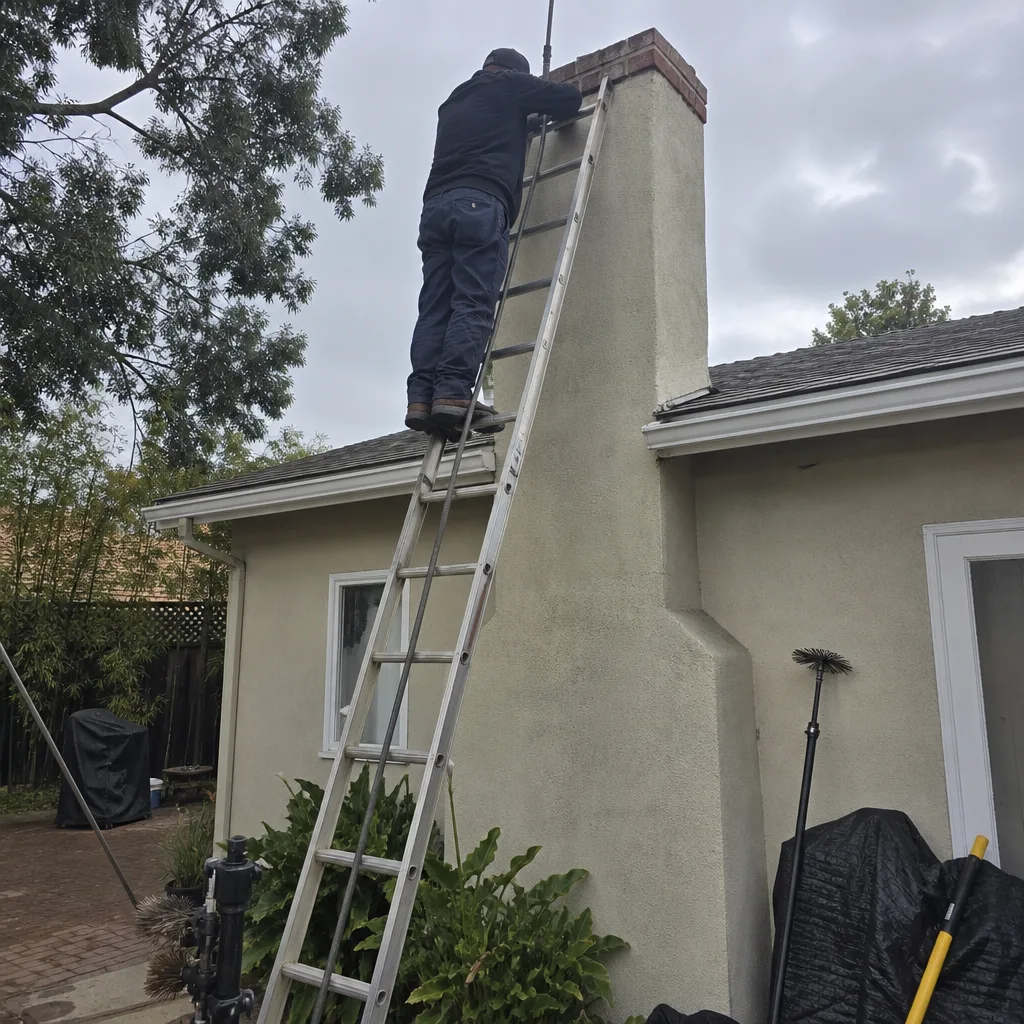 Before
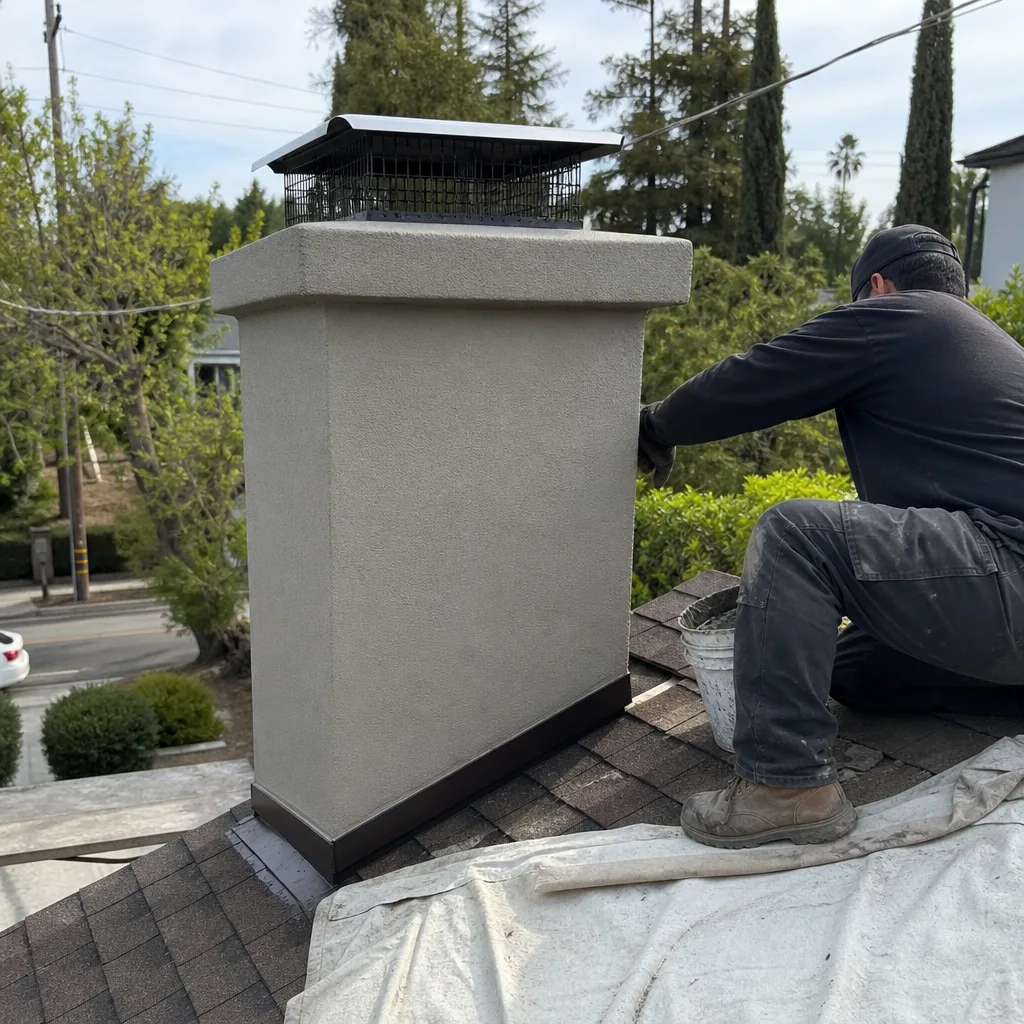 After
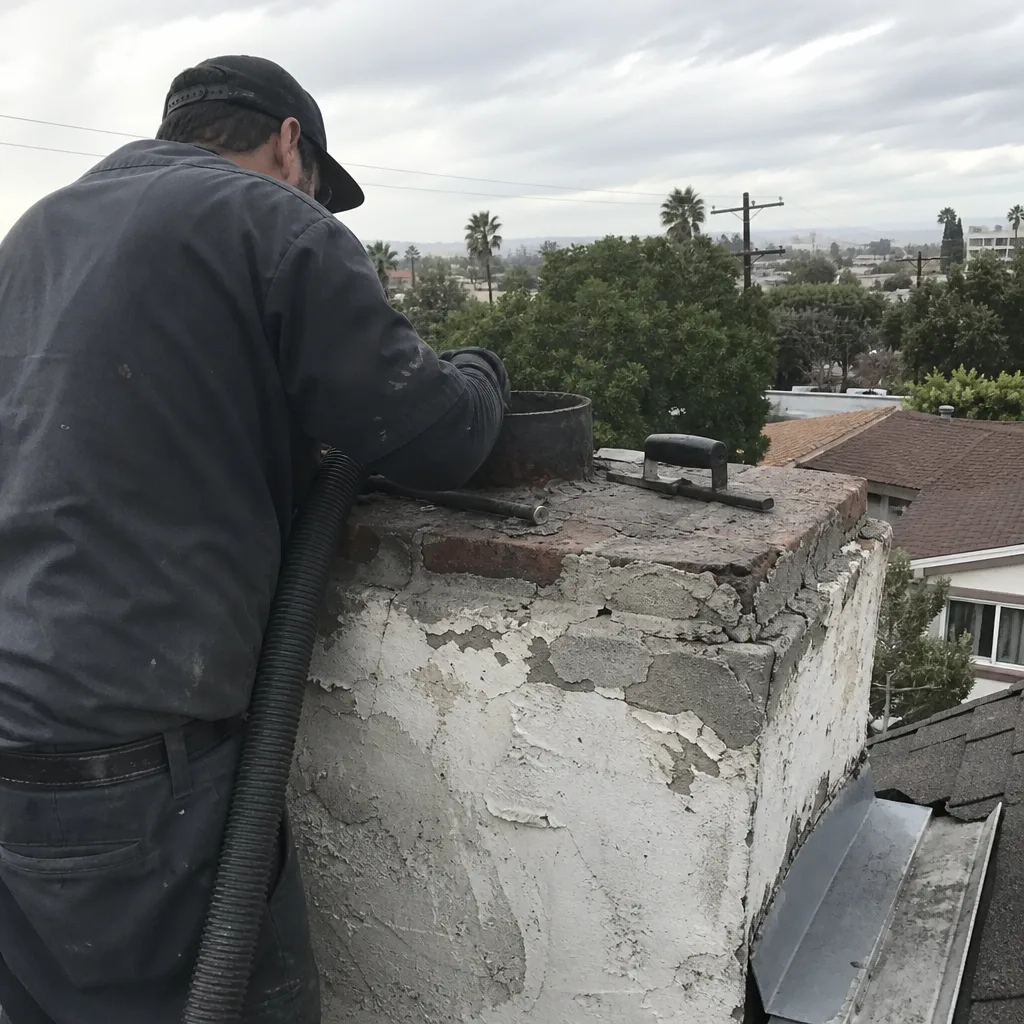 Before
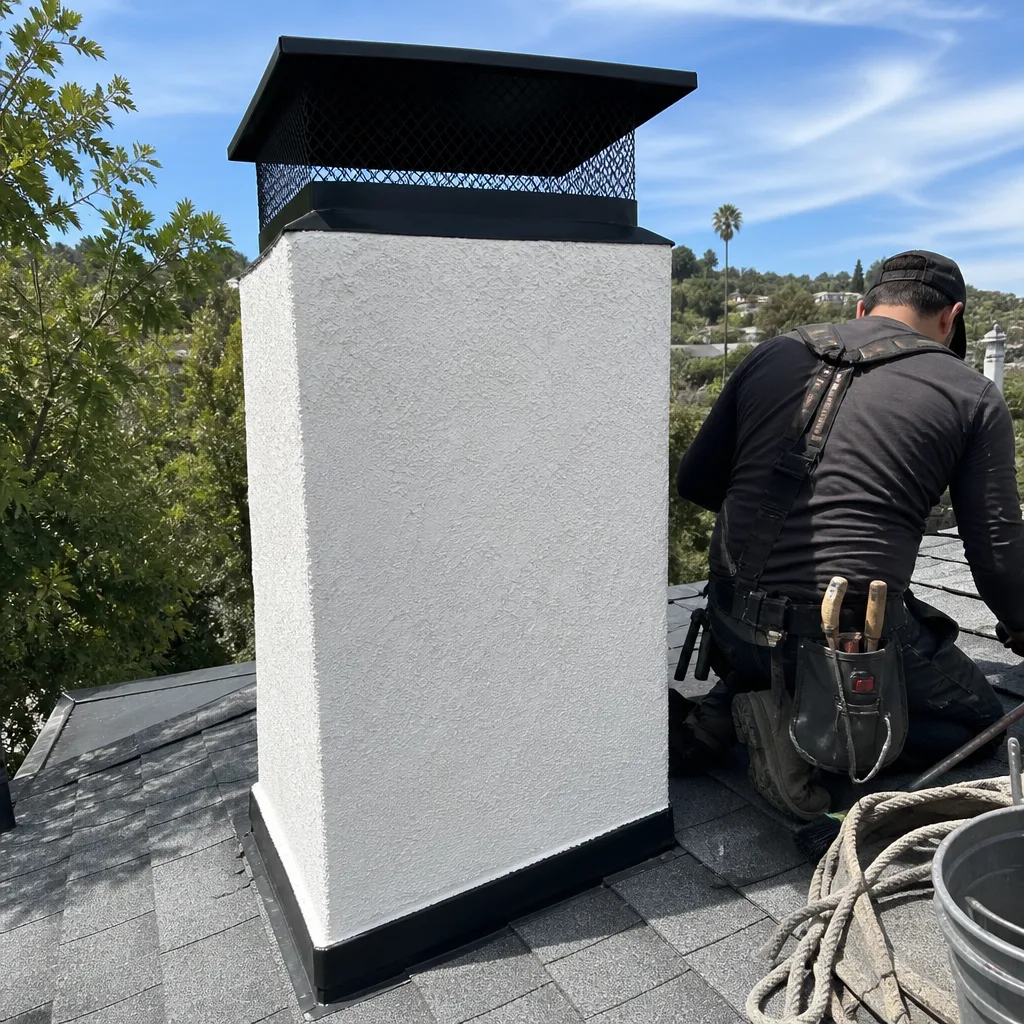 After
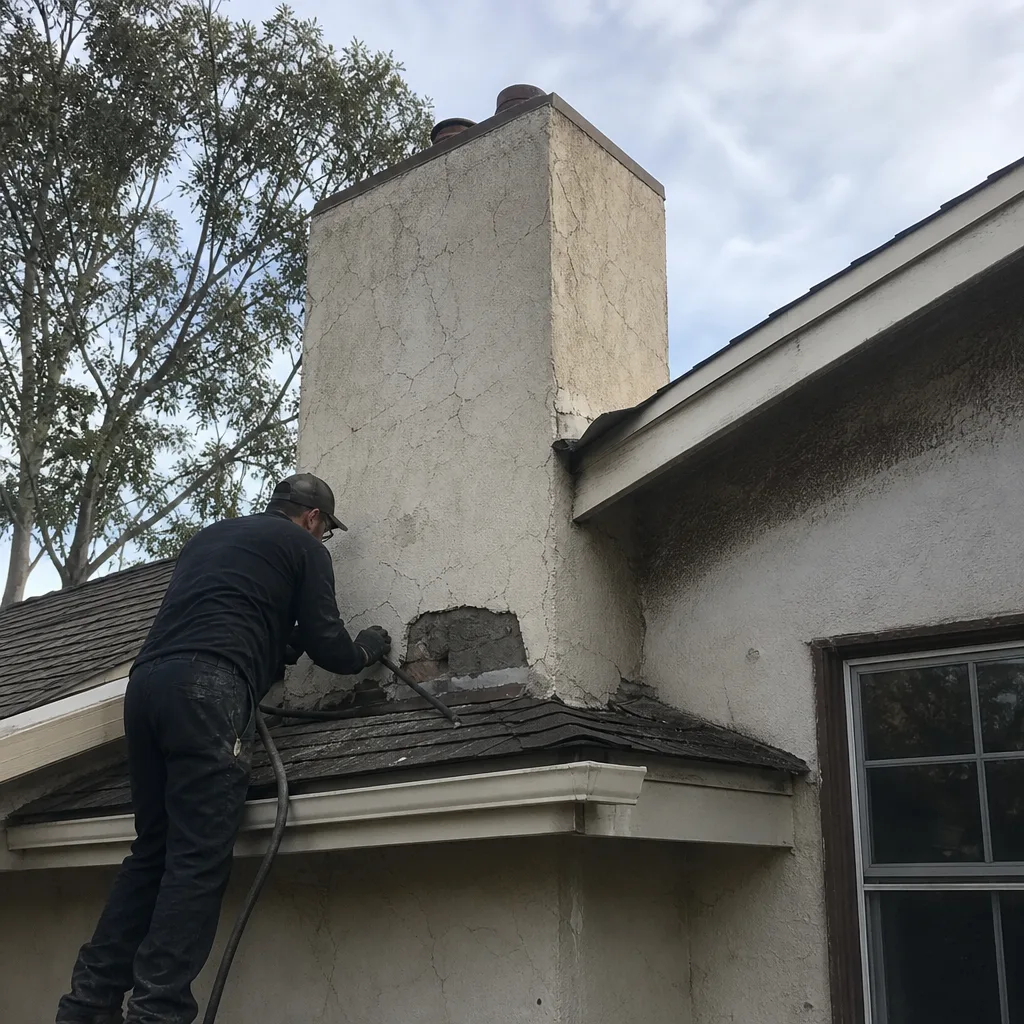 Before
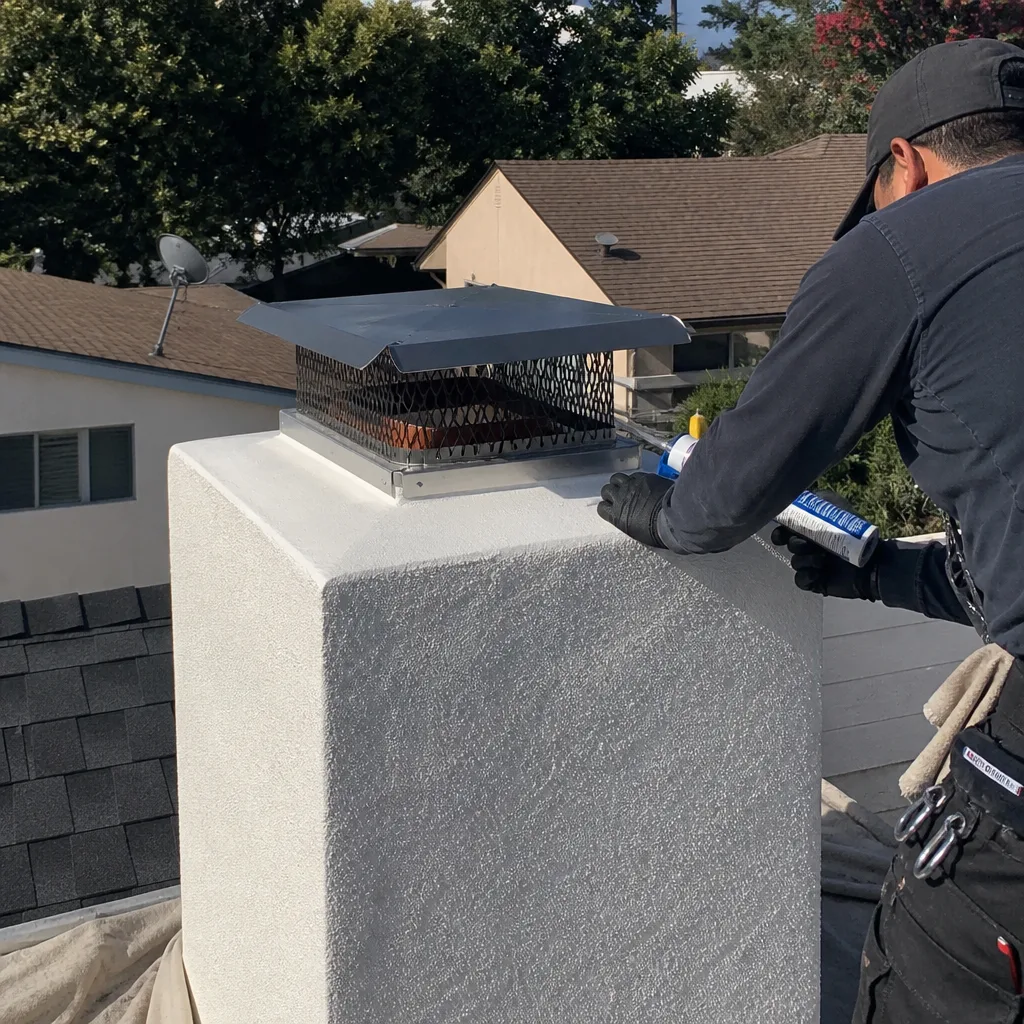 After