
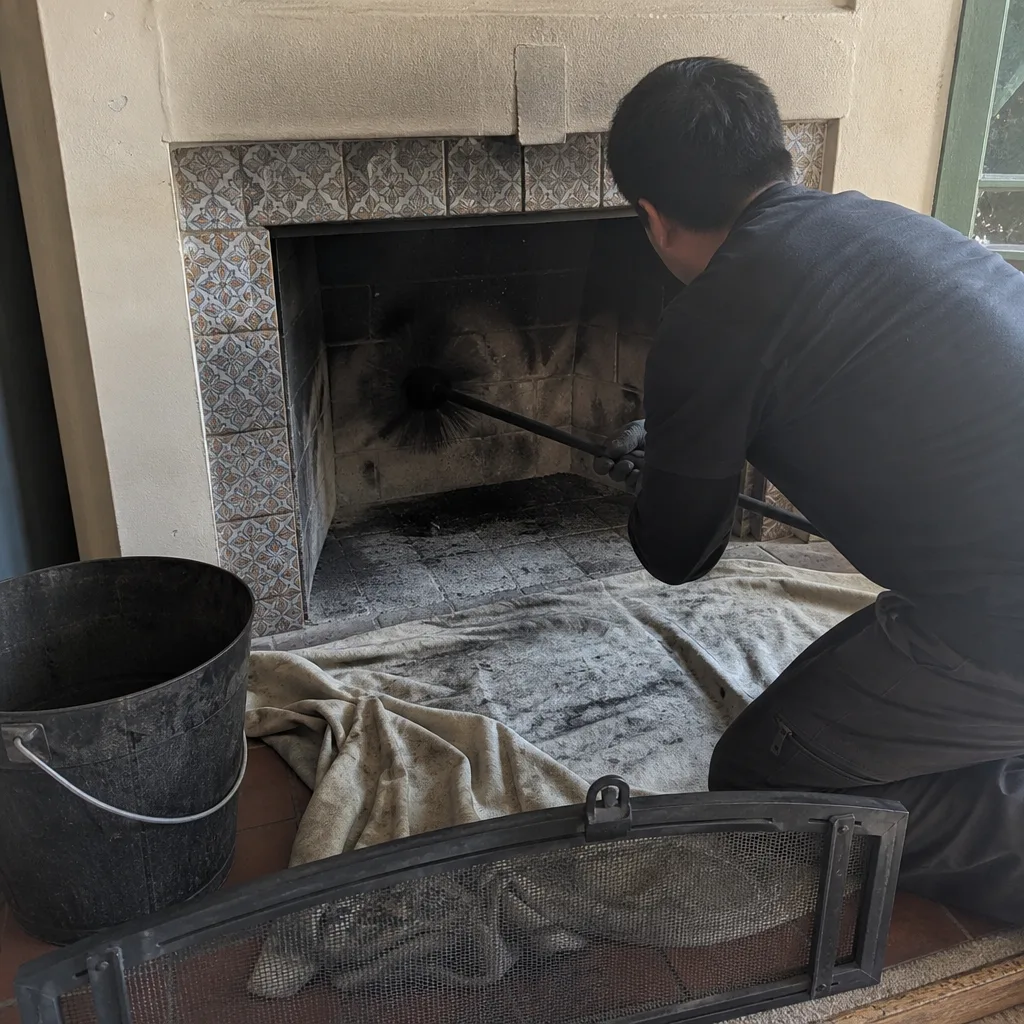
Last updated November 2, 2026
 Sweep & inspection
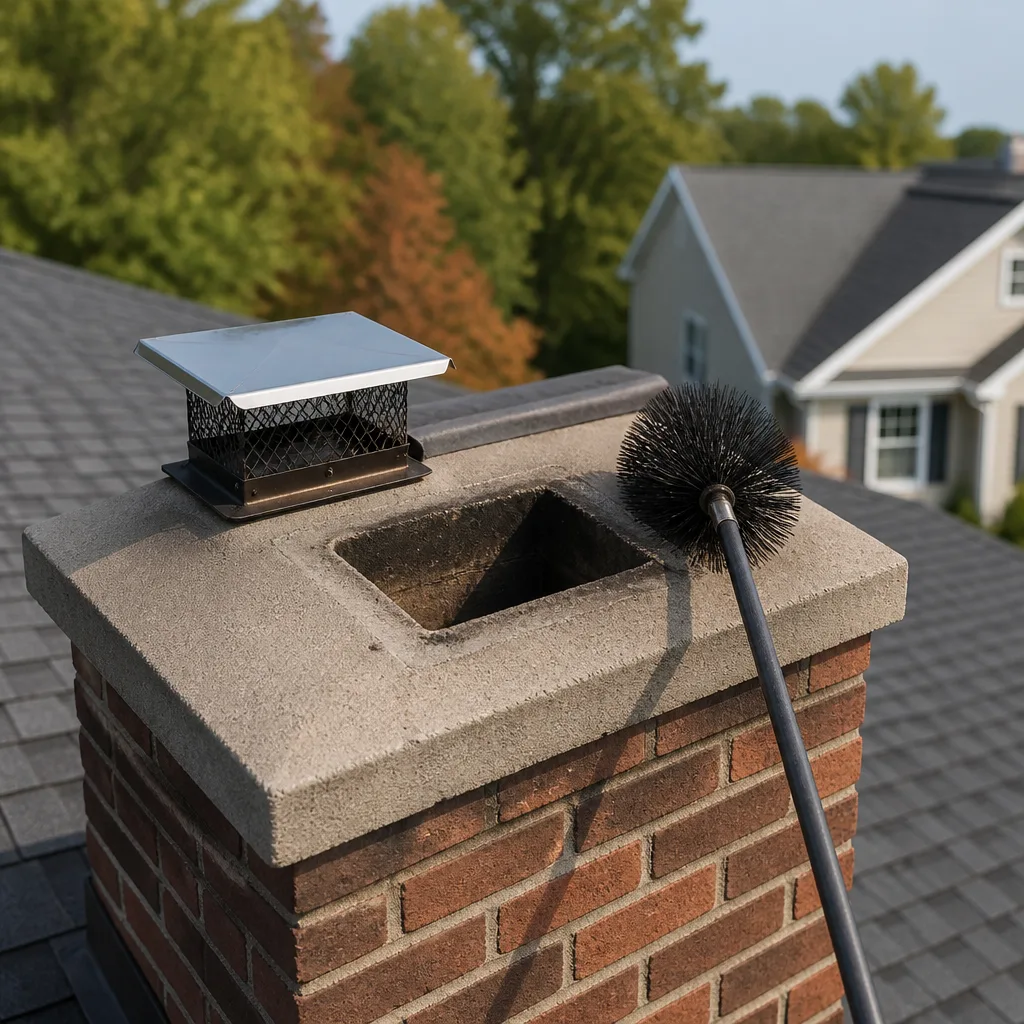
 Caps & crowns
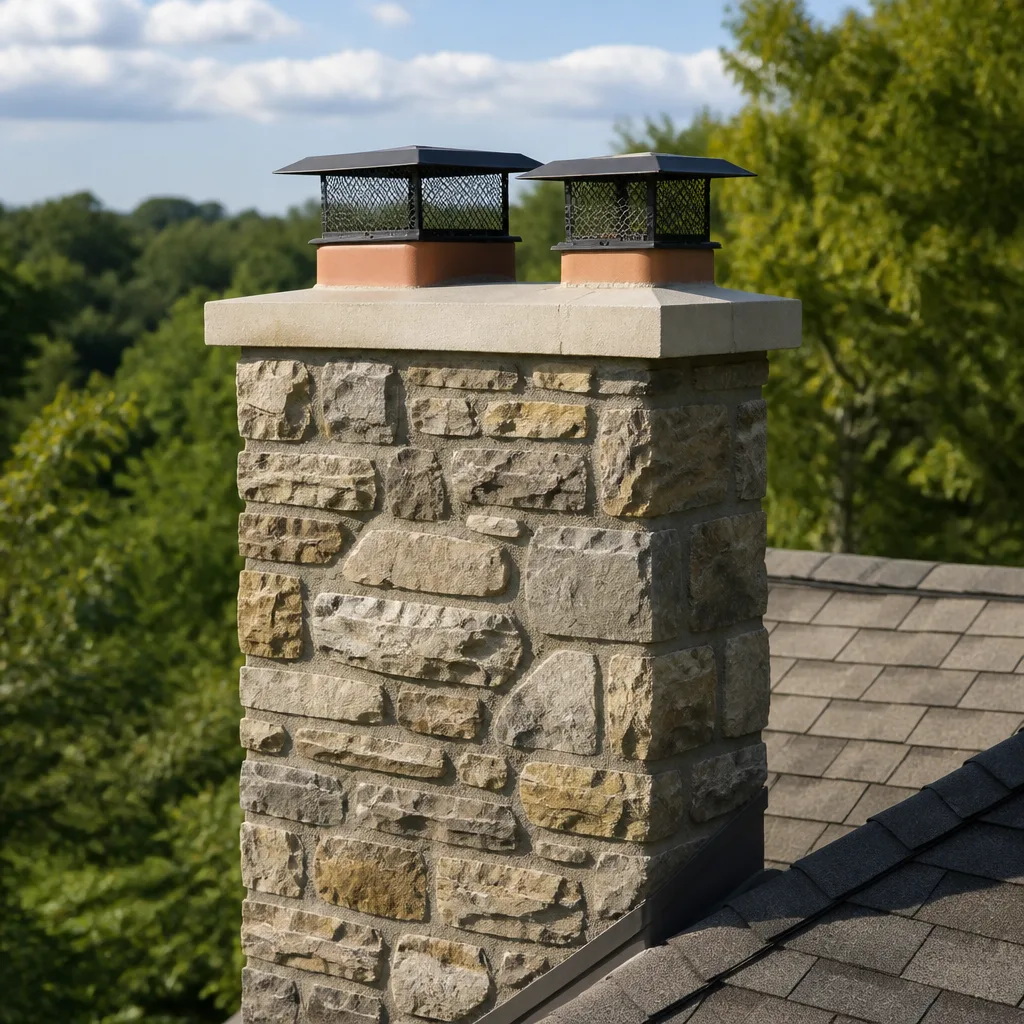
 Flue relining
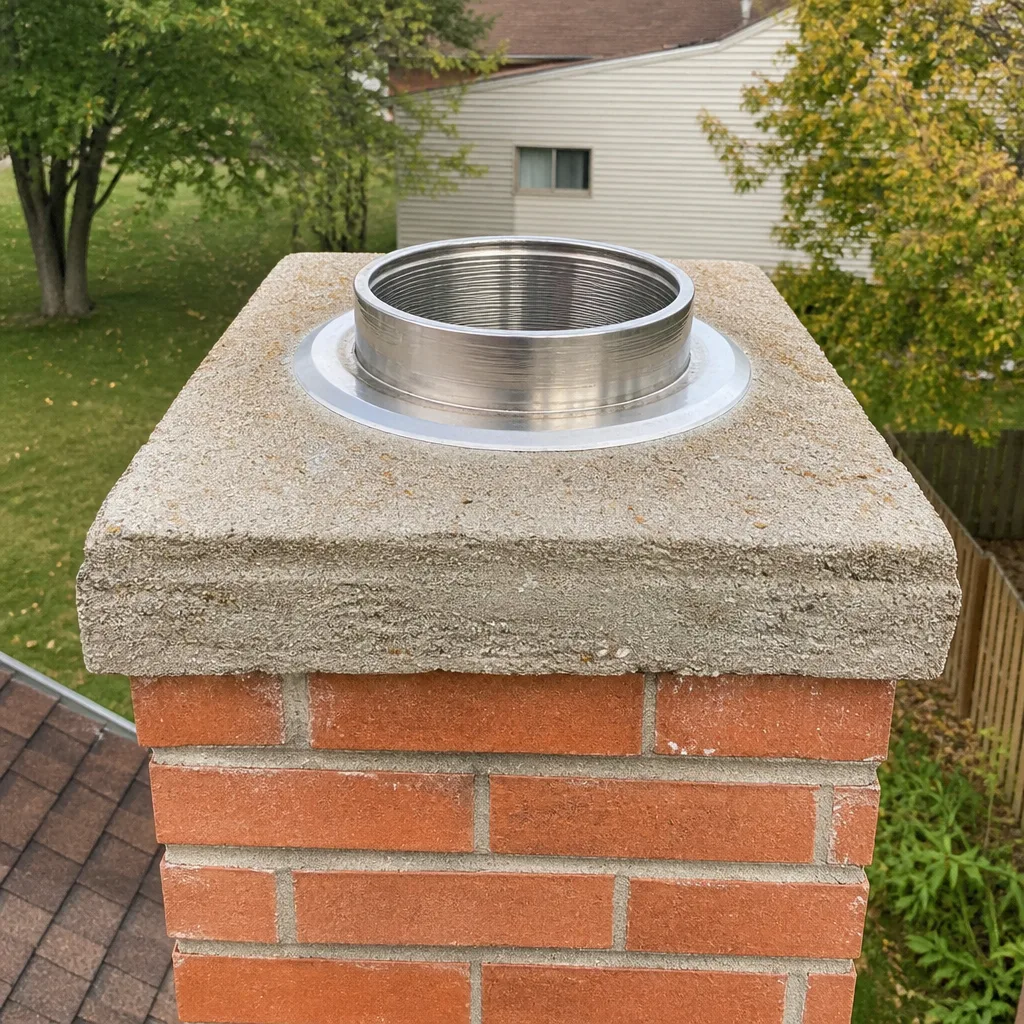
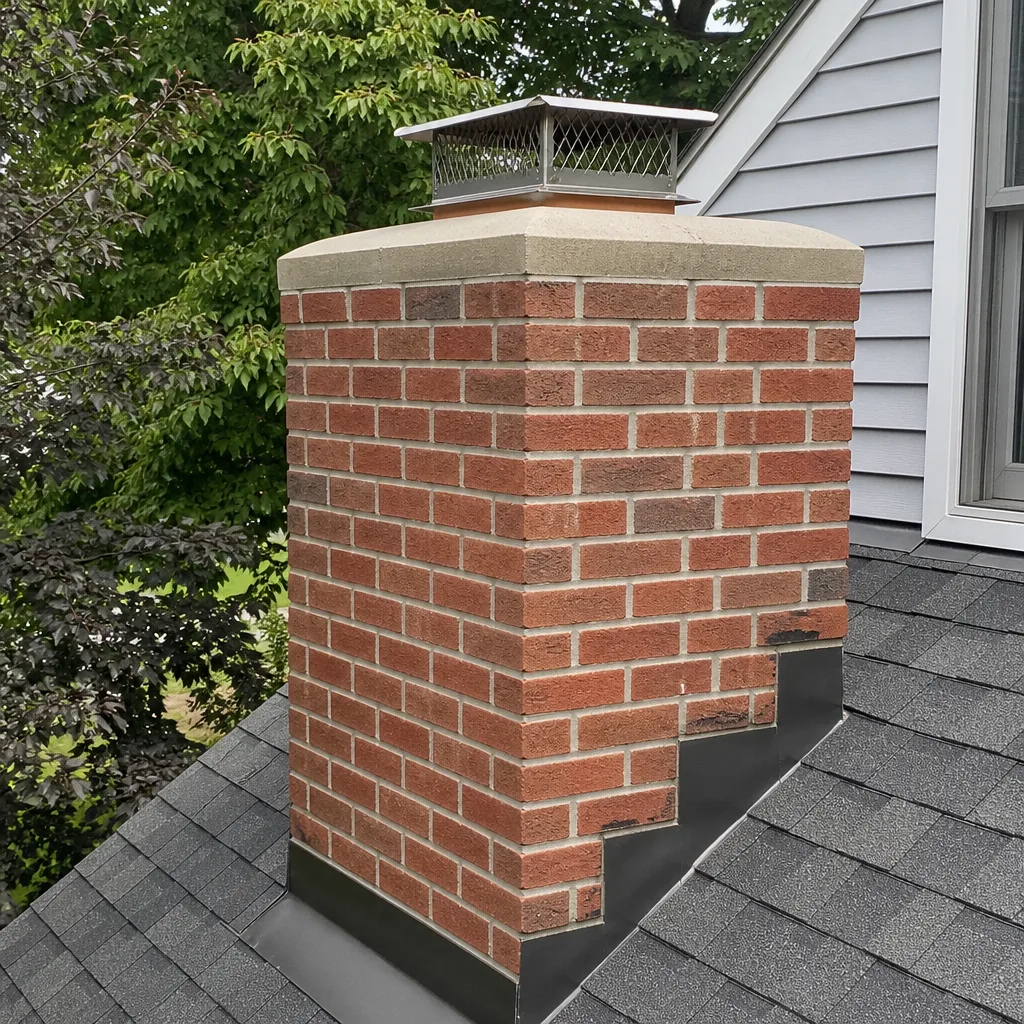 Masonry repair
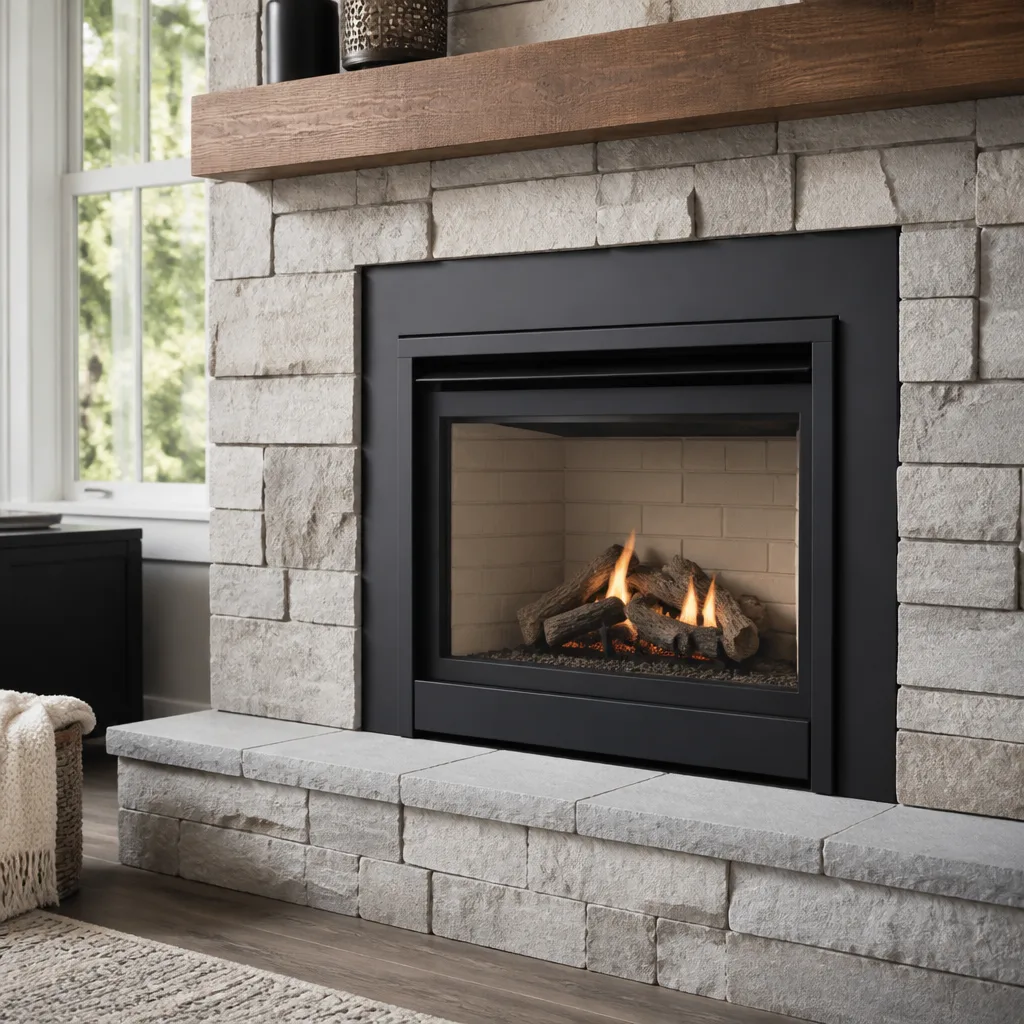 Gas fireplace service
Level 1 sweep and inspection to the NFPA 211 annual standard - flue, crown, cap, and flashing checked and photographed
Chimney sweep logs do not sweep chimneys. They loosen some creosote - which then falls where a brush and vacuum still have to collect it.
Chimney Cleaning Warning Signs: An Atwater Village Homeowner’s Reference Guide
A white, chalky stain creeping across your chimney’s exterior brick looks like a cosmetic nuisance, the kind of thing you pressure-wash once a year and forget. It’s called efflorescence, and it’s not surface mold or city grime. It’s dissolved salt being pushed out of your masonry by water migrating through the brick. That means your chimney is wet from the inside, and in Atwater Village, where winters are mild enough that fireplaces sit unused for six months at a stretch, a wet flue liner can decay quietly for years before anyone notices. This guide walks through the warning signs Atwater Village homeowners most often talk themselves out of, why each one matters, and what to do about it before a $200 sweep becomes a $4,000 liner rebuild. For more guides & resources, see our blog.
Styles & brands we work with
- Sweep & inspection
- Caps & crowns
- Flue relining
- Masonry repair
- Gas fireplace service
Quick Answer
Most chimney warning signs in Atwater Village are subtle: a faint campfire smell on humid afternoons, a rusting damper handle, a few crumbs of mortar collecting on the hearth, or a thin white bloom on the exterior brick. None of these are normal, and each points to a specific failure mechanism. If you notice any of them, schedule a chimney inspection before lighting another fire.
Table of Contents
- Tier 1: Stop Using the Fireplace Today
- Tier 2: Schedule Service Soon
- The Atwater Village Specific: What Mild Winters Hide
- Efflorescence and Spalling: When Masonry Talks
- Draft Problems as Diagnostic Signals
- Inside-the-House Signs vs. Roof-Level Signs
- Seasonal Timing: When to Catch What in Southern California
- Common Mistakes to Avoid
- When to Call a Professional
- Frequently Asked Questions
- The Bottom Line
Tier 1: Stop Using the Fireplace Today
These are not suggestions. If you see any of the following three signs, do not light another fire until a professional has inspected the system. Each one indicates a failure mode that can put smoke, carbon monoxide, or flame where it does not belong.
- Smoke entering the room during a fire. This is the most obvious sign, and the most commonly rationalized. Homeowners blame wind, cold flues, or wet wood. In our experience, persistent smoke spillage with a properly opened damper points to a structural problem: a cracked flue liner, a creosote blockage, or a chimney height issue. Atwater Village homes from the 1920s and 1930s often have original clay tile liners that crack under decades of thermal cycling. Smoke finding its way around those cracks is not a wood problem; it’s a liner problem.
- A strong, acrid odor in the home during or immediately after use. Some wood smoke smell is normal at the fireplace opening. A sharp, chemical smell that spreads to adjacent rooms is not. It often signals creosote accumulation reaching a level where it is off-gassing volatile compounds into the living space. Creosote is flammable. Heavy creosote deposits inside a flue are the single biggest predictor of a chimney fire.
- Soot falling into the firebox between fires. If you’re finding black flakes on the grate or andirons when you haven’t burned anything in weeks, the flue is shedding. That happens when creosote or soot has built up enough to dry and detach from the flue walls. It’s a sign the inside of your chimney looks much worse than the outside of your fireplace.
Tier 2: Schedule Service Soon
These signs do not require you to stop using the fireplace immediately, but they should get on your calendar within the month. They indicate deterioration that accelerates once it starts.
- Rust on the damper or fireplace tools. The damper sits directly in the path of any water that enters the flue. Rust there means water is getting past your chimney cap or through your crown. In Atwater Village, we see this most often on homes where the chimney cap was installed decades ago and has quietly corroded through. Once the damper rusts shut or apart, you lose your draft control, and replacement is more involved than a simple sweep.
- Flaking, peeling, or bubbling paint on the ceiling near the chimney chase. This is a water leak presenting itself inside the house. By the time paint bubbles, moisture has been moving through the chase for months. The fix usually involves crown repair or a new cap, not just repainting the ceiling.
- Crumbling mortar joints visible at the top of the chimney. From the street or a second-story window, look at the top three feet of your chimney. If the mortar lines look recessed, powdery, or uneven compared to lower sections, the top of the chimney is failing. This is where freeze-thaw cycles, even mild Los Angeles ones, do their work. Loose bricks at the top eventually fall. Falling bricks from a two-story chimney are a genuine hazard.
- A musty smell from the fireplace on humid days. This is different from smoke odor. It’s the smell of damp organic material, often creosote that has absorbed moisture from a leak. Humidity in Los Angeles spikes in June and July; if you notice the smell seasonally, that’s why. It means the inside of your flue is damp, and damp creosote is more corrosive to metal liners than dry creosote.
The Atwater Village Specific: What Mild Winters Hide
Atwater Village sits in a climate that genuinely rewards neglect. Unlike homeowners in Minneapolis or Boston, where a chimney is used daily for five months and failures announce themselves immediately, Atwater Village residents burn maybe twenty fires a year, clustered between November and February. The rest of the year, the chimney sits idle.
That idleness creates two specific problems. First, problems accumulate without use. A cracked crown lets water in during January rains, and no one notices because the fireplace hasn’t been lit since December. By November, the damage has had ten months to spread. Second, animals move in. Squirrels, birds, and rats all find uncapped or poorly capped chimneys attractive nesting sites in the quiet months. Atwater Village’s mature tree canopy and dense lot pattern mean plenty of wildlife and plenty of roof access. We’ve found raccoon nests in chimneys on Glendale Boulevard adjacent, where a bougainvillea had grown across the roofline and created a built-in ladder.
If your fireplace gets used fewer than ten times a year, an annual visual inspection may not reveal problems because you’re not generating the smoke, heat, and draft that bring them to the surface. The best thing a low-use Atwater Village homeowner can do is schedule an inspection before the start of the burning season, even in years when they don’t plan to burn much. Problems caught in October are easier to fix than problems caught in February.
Efflorescence and Spalling: When Masonry Talks
Efflorescence is the white powder that appears on brick or masonry. It forms when water dissolves salts inside the brick, migrates to the surface, and evaporates, leaving the salts behind. Spalling is the more advanced stage: the brick face itself starts to flake, chip, or pop off. Both are water problems. Neither is cosmetic.
Here is the mechanism: your chimney crown, that concrete slab at the top, is designed to shed water away from the flue. When a crown cracks, water penetrates the chimney’s interior. It soaks the brick. The salts in the brick dissolve and move toward the surface. When they crystalize, they expand, and expansion pressure eventually pops the face off the brick. In Atwater Village’s Mediterranean climate, the cycle is slower than in freeze-prone regions, but it never stops. Every rain event pushes water deeper; every dry spell pulls salts closer to the surface.
Spalling matters because it reduces the structural integrity of the chimney. A chimney that has lost significant brick face is more vulnerable to lateral movement during seismic events. Atwater Village is not far from the Raymond Fault line, and while small quakes rarely topple chimneys, they do exploit existing weaknesses. Cracked chimneys fall in earthquakes. Spalling is the warning sign that the weakness already exists.
If you see efflorescence, clean off a small test area and watch what happens over the next month. If it returns, the water source is active, not historical. That’s when a professional needs to look at the crown and cap. If caught early, the fix is usually a crown reseal and a new cap – not a rebuild. See our guide on Choosing the Right Chimney Cleaning Brand: A Buyer’s Guide for Atwater Village for help selecting quality components.
Draft Problems as Diagnostic Signals
Draft problems are the most commonly misunderstood warning sign in all of chimney work. Most homeowners treat them as annoyances. They are actually specific diagnostic signals. Here’s how to read them.
Smoke that starts fine, then spills back into the room once the fire is going. This usually means the fire is competing with another air consumer in the house. Turn on a kitchen exhaust fan, a bathroom fan, or a clothes dryer in an older, tight Atwater Village bungalow, and you create negative pressure that the chimney cannot overcome. The fix may be as simple as cracking a window, but if it happens consistently, the real issue is a chimney that’s too short or a flue that’s undersized for the firebox.
Slow startup: the fire struggles to draw for the first ten or fifteen minutes. A cold flue does need to warm up before it draws well, which is why the first moments of a fire are sluggish. But if the problem persists beyond fifteen minutes, or if the fire never establishes a clean, steady burn, you likely have a partial blockage. Bird nests, creosote buildup, or a collapsed clay liner all reduce the effective diameter of the flue.
A strong draft pulling up the chimney even when there’s no fire. Most people do not notice this one. On a windy day, stand near the fireplace with the damper open and listen. If you hear wind howling down the flue, or if you can feel cold air spilling into the room, your damper is not sealing. A poorly sealing damper lets conditioned air escape year-round. In Atwater Village, that’s an HVAC cost issue in summer, not just a comfort issue in winter.
Smoke odor in the house when the fireplace has not been used in days. This is a downdraft or reversal problem. The chimney is pulling outside air into the house instead of venting. It often happens when a chimney is shorter than the surrounding roof peaks, or when a neighboring structure has changed the wind pattern. Atwater Village has seen a wave of second-story additions and ADU construction. A chimney that worked fine for decades can start backdrafting when a neighbor’s new roofline redirects wind.
Inside-the-House Signs vs. Roof-Level Signs
Half the warning signs in this guide are visible without a ladder. The other half are visible only from the roof. If you never get on your roof, or never have someone do it for you, you’re blind to half the diagnostic information your chimney offers.
Signs you’ll notice inside the house:
- Soot smudges on the mantel or the wall above the fireplace
- Water stains on the ceiling near the chimney
- Musty or smoky odors when the fireplace is not in use
- Rust on the damper, fire grate, or fireplace screen
- Sounds of animals inside the flue (scratching, chirping)
- Cold air spilling from the fireplace opening on windy days
Signs you’ll only notice from the roof (or with a professional inspection):
- Cracks in the chimney crown wider than a hairline
- Missing or rusted chimney cap
- Crumbling mortar joints between bricks
- Efflorescence or spalling on the upper third of the chimney
- Vegetation growing out of the mortar joints
- A flue that appears narrowed or partially blocked when viewed from above
For most Atwater Village homeowners, roof access is not a regular part of the routine. The homes are mostly single-story with pitched roofs, and a ladder against a stucco wall is not something most people want to handle on a Sunday morning. That’s fine. What matters is recognizing that the roof-level signs exist and making a point to have them checked at least once a year. A Chimney Sweep in Atwater Village who documents the top of the chimney with photos is giving you eyes you would not otherwise have.
Seasonal Timing: When to Catch What in Southern California
Southern California’s warning signs do not appear uniformly through the year. They cluster around specific weather events and seasonal conditions. If you know the calendar, you know when to look.
October through November: pre-season inspection window. This is the single best time to catch problems in Atwater Village. The first rain has usually arrived, damp conditions reveal active leaks, and the animals that nested in the spring have mostly fledged. We recommend an annual inspection in October as a standing appointment, whether you plan to burn or not. Catch a cracked crown in October and you fix a $800 problem. Find it in February after a full rain season and the same crack may have damaged the liner.
December through February: burning season warning signs. This is when smoke, odor, and draft problems surface, because this is when the fireplace is actually working. Pay attention during the first two or three fires of the season. The first fire after a long idle period often smells odd as accumulated dust burns off. That smell should clear within one burn. If it persists, the odor is coming from something other than dust.
March through May: post-rain water damage becomes visible. Once the winter rains end, efflorescence peaks. This is when white stains on exterior brick are most obvious, because the masonry has been saturated all winter and the spring sun in Atwater Village is pulling salts to the surface. Interior water stains also darken and become more visible during this window.
June through September: humidity-driven odors and downdraft season. The June gloom and summer humidity bring out damp creosote smells. If you never burn in summer, this is also when chimney odors from unsealed dampers are most noticeable, because the house is closed up for air conditioning. Warm air rises out through a leaky damper, and the pressure differential pulls musty chimney air into the living space.
Common Mistakes to Avoid
- Ignoring efflorescence because it’s just a stain. Efflorescence is evidence of a water pathway, not a surface issue. Scrubbing it off without addressing the water source just lets the damage continue behind a clean face. Watch for recurrence after cleaning.
- Burning one “test fire” to see if the chimney still works before getting it cleaned. If creosote has built up over years of use, the test fire is the one that ignites it. Chimney fires happen in chimneys that seemed fine for the previous ten fires.
- Assuming a chimney cap from the 1980s is still doing its job. Caps corrode, especially in coastal-adjacent air. Los Angeles smog and occasional salt air from the Pacific both accelerate corrosion. A cap that looks intact from the ground may be riddled with pinholes.
- Washing the exterior brick with a pressure washer to solve efflorescence. Pressure washing drives water deeper into the masonry and accelerates spalling. It’s the single worst thing you can do to an already water-damaged chimney.
- Treating a drafty fireplace as a comfort issue rather than a safety system issue. The fireplace is a combustion appliance. When it backdrafts, it’s not just letting in cold air; it’s reversing the intended flow of combustion byproducts.
- Deferring chimney inspection because the house is new to you and “looked fine.” Previous owners in Atwater Village do not always leave behind documentation. If you bought a home with a fireplace and have never had the flue inspected, you do not know what is in there.
When to Call a Professional
If you’ve seen any Tier 1 sign, stop using the fireplace and make the call that day. If you’ve seen two or more Tier 2 signs, or if any Tier 2 sign has persisted through more than one season, schedule an inspection before you light another fire. And if you’ve owned the home for more than two years without a professional chimney evaluation, the safest thing you can do is treat the chimney as uninspected and act accordingly. Pearl Chimney Cleaning offers free estimates in Atwater Village, and our sweeps are documented with photos: if a problem exists at the top of your chimney, you’ll see it with your own eyes. Call (833) 630-4048 to schedule an inspection or an estimate. We inspect every flue we sweep, and we repair what we find, whether it’s a cracked crown, a rusted damper, or a compromised liner. If you’re looking for a Chimney Repair in Atwater Village, that work is done in-house, not subcontracted out.
Frequently Asked Questions
A standard chimney sweep in the Los Angeles area typically runs between $180 and $350, depending on the condition of the flue, the height of the chimney, and whether repairs are needed alongside the cleaning. Atwater Village’s older housing stock means some flues require more time and more care than a cookie-cutter suburban track home. If the sweep turns up a broken cap, cracked crown, or compromised liner, those repairs are quoted separately and should be shown to you with photo documentation. Call Pearl Chimney Cleaning home at (833) 630-4048 for an exact quote for your fireplace, no charge for the estimate.
The National Fire Protection Association standards call for a chimney to be swept when creosote buildup reaches 1/8 inch, and inspected at least once a year. In practical terms for Atwater Village homeowners who burn twenty fires or fewer annually, an annual inspection with a sweep as needed is the right rhythm. Use our Chimney Sweep Maintenance Checklist for Atwater Village Homeowners to stay on track. Even in light-use years, an annual inspection catches water damage and animal intrusion before they become structural problems. If you burn more than fifty fires a year, or burn primarily softwoods like pine, schedule a sweep at the midpoint of the season as well.
Sometimes yes, sometimes no. A hairline crack in a clay tile liner is not always an immediate replacement trigger, but any crack that allows heat or combustion byproducts to reach combustible material around the flue is a serious safety concern. The industry-standard solution for a deteriorating clay liner is often a stainless steel liner system from a manufacturer like DuraFlex, installed inside the existing flue. This preserves the original structure while restoring a safe, continuous vent path. HeatShield is another option used for certain liner repairs, where a cerfractory material is applied to resurface the existing flue. The right answer depends on what a camera inspection finds, which is why our sweeps always include a visual or video inspection of the liner condition.
Creosote builds up over time. When it ignites, the resulting chimney fire can reach temperatures high enough to crack clay liners, warp metal liners, and spread to the roof structure. The house may survive the fire itself; the hidden damage it leaves behind is what creates the long-term risk. Even absent a fire, a dirty flue is a smaller flue, which means poorer draft and more smoke into the living space. For help diagnosing these issues, see Chimney Sweep Troubleshooting: Common Problems and How to Fix Them. Skipping an annual inspection also leaves you blind to water damage, which in Atwater Village’s climate accumulates quietly and expensively. A chimney that’s never inspected is a chimney that’s slowly failing; the question is whether you find out at the sweep phase or the repair phase.
That smell is almost always either damp creosote or animal debris inside the flue, and both are more noticeable in summer because the house is closed up for air conditioning. Warm air rises and escapes through the chimney, drawing musty, damp flue air into the living space through negative pressure. The fix usually starts with a sweep to remove the odorous material, followed by a damper seal check to stop the air exchange. If the smell persists after a clean flue, the problem is likely moisture entry, which needs to be traced to the crown or cap.
It is, because the same principle governs both systems. A dryer vent carries heat and lint away from the appliance; when lint accumulates, the system overheats. Lint is combustible, and dryer fires account for thousands of house fires every year. Pearl Chimney Cleaning handles Dryer Vent Cleaning in Atwater Village alongside chimney sweeping because the anatomy of the two systems is similar and the failure modes rhyme. A clogged dryer vent, like a clogged flue, is a problem you cannot see from the appliance side. Both need to be inspected at the exit point to be properly evaluated.
The Bottom Line
Chimney warning signs in Atwater Village are easy to dismiss because they are usually subtle: a faint smell, a white stain, a few flakes of mortar, a sluggish draft on a windy day. None of these demand immediate attention the way a visible roof leak does. But each one is a signal, and the signal always points to something. Water moving through masonry, creosote building up in a flue, an animal nesting in an uncapped chimney: these are all slow-developing problems that become expensive ones. The discipline that protects you is simple. Inspect once a year, before the burning season. Pay attention to what the fireplace tells you when you do use it. And when in doubt, get eyes on the full system, from damper to crown. A clean, properly maintained chimney is one of the most durable features of a home. A neglected one is a problem generating problems. Atwater Village’s climate is forgiving, which means the problems get more time to grow before they surface. Don’t give them that time.
Written by the team at Pearl Chimney Cleaning, serving Atwater Village since 2013.
See the difference
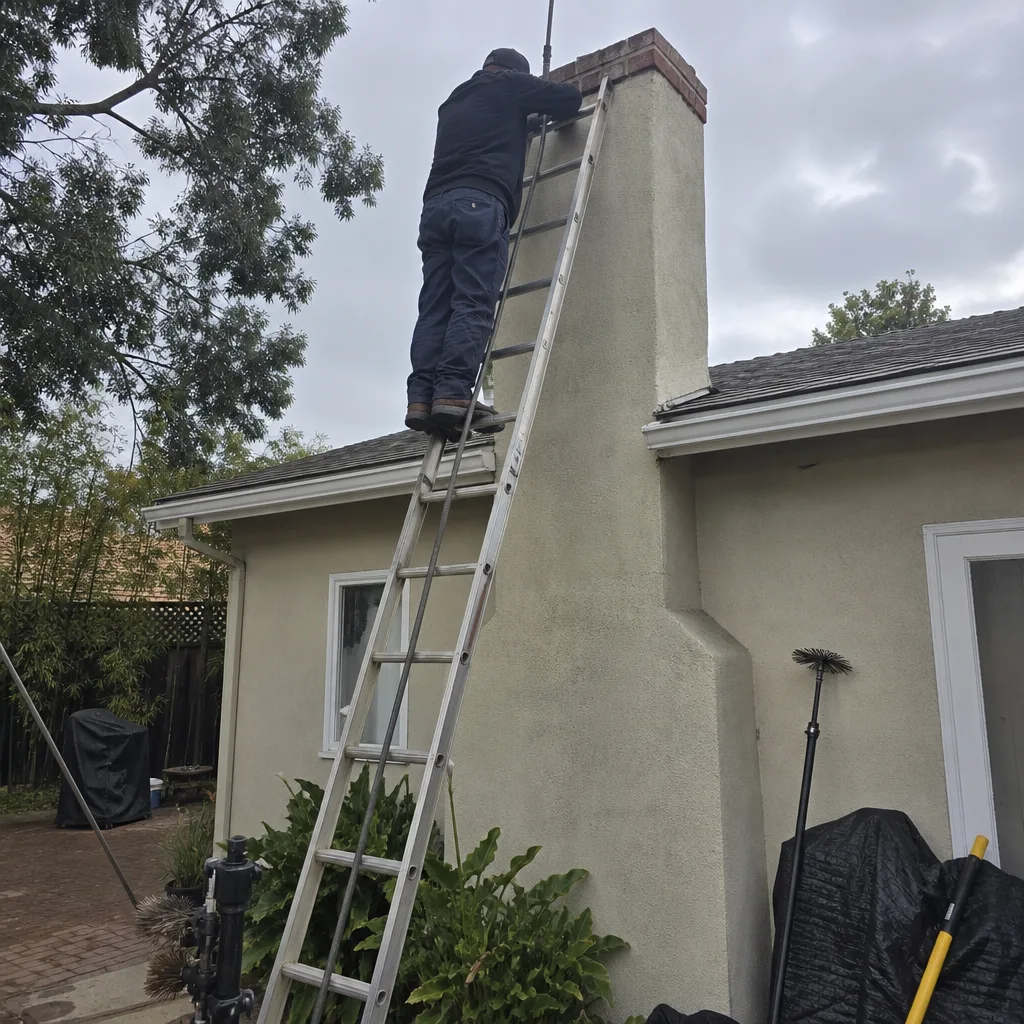 Before
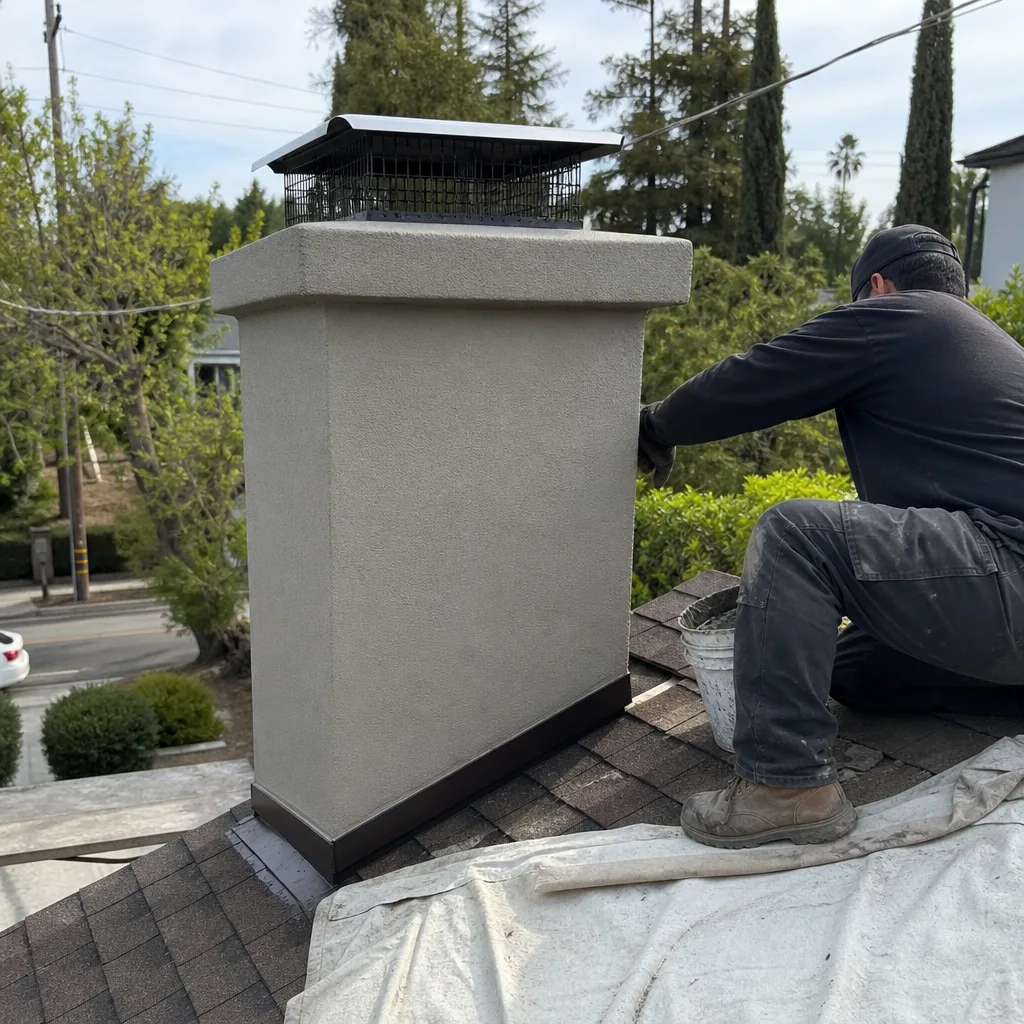 After
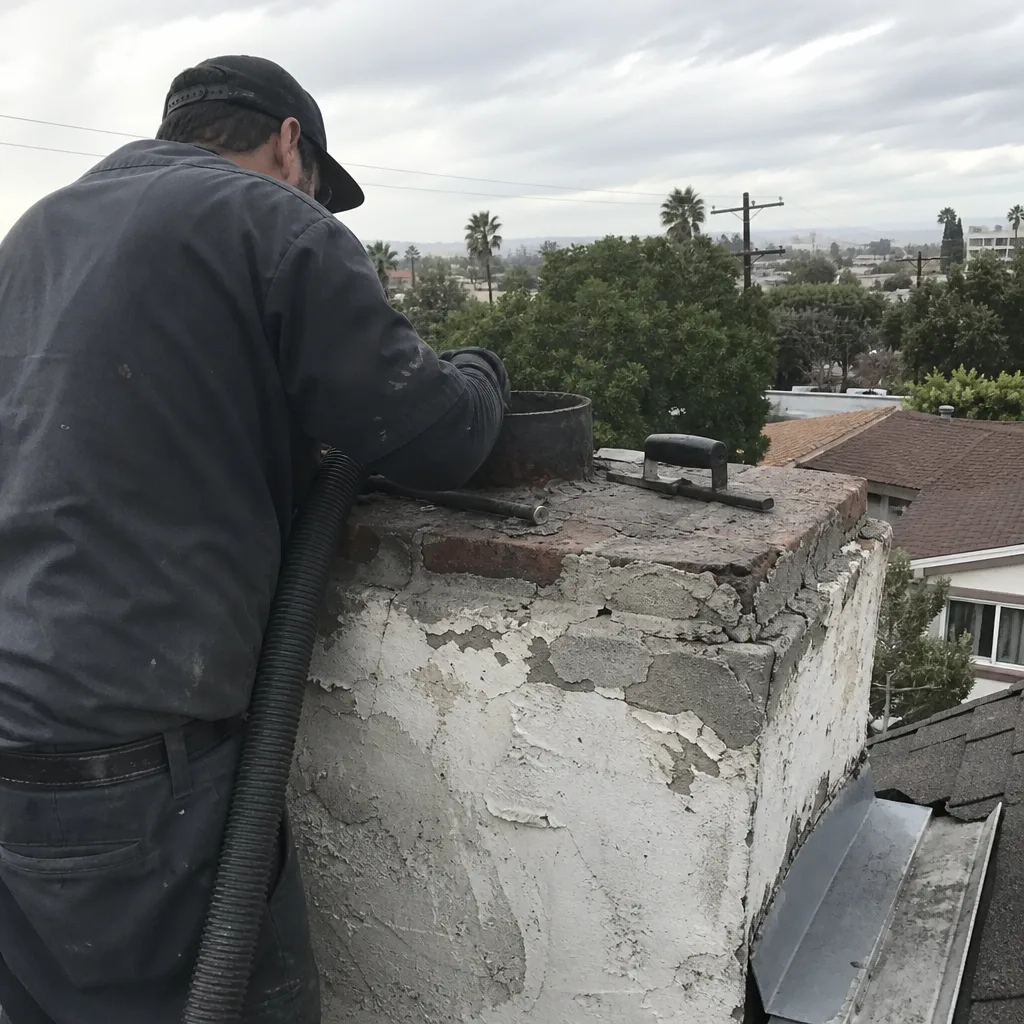 Before
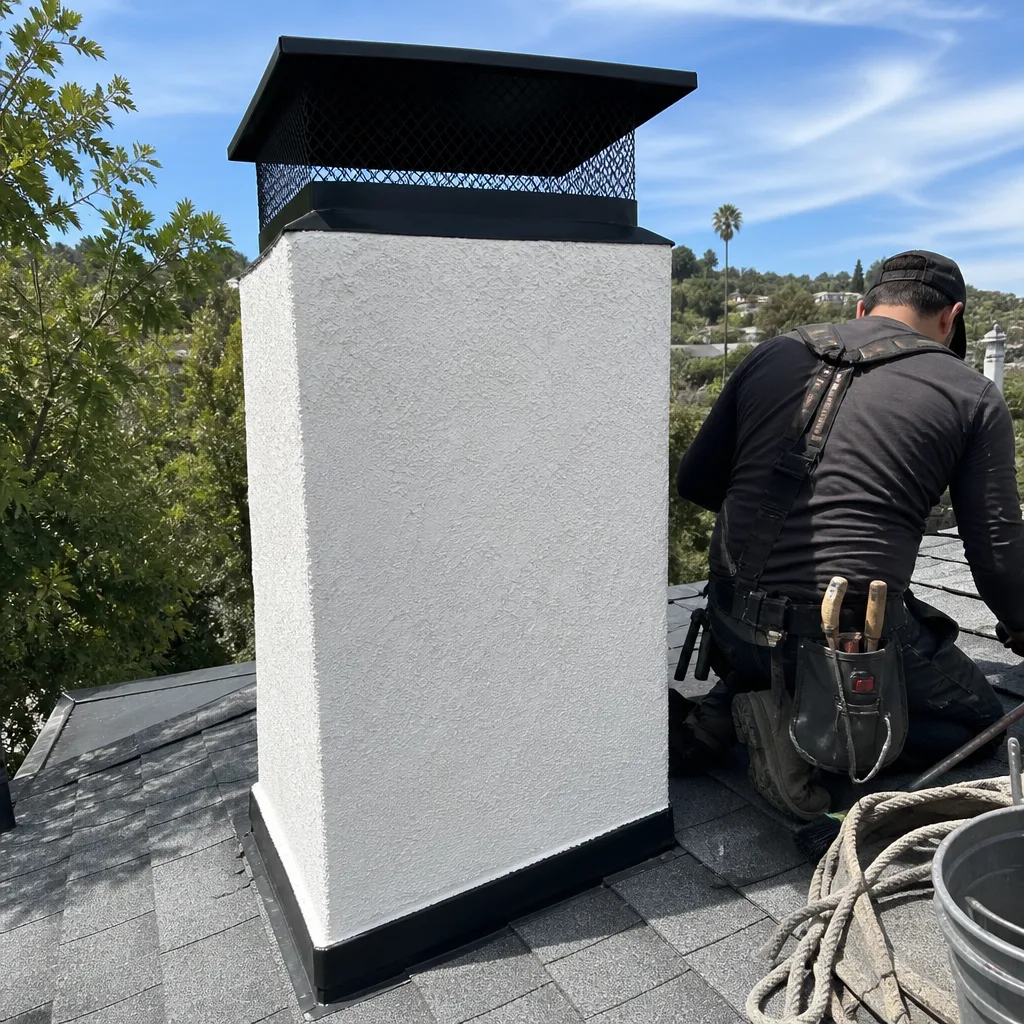 After
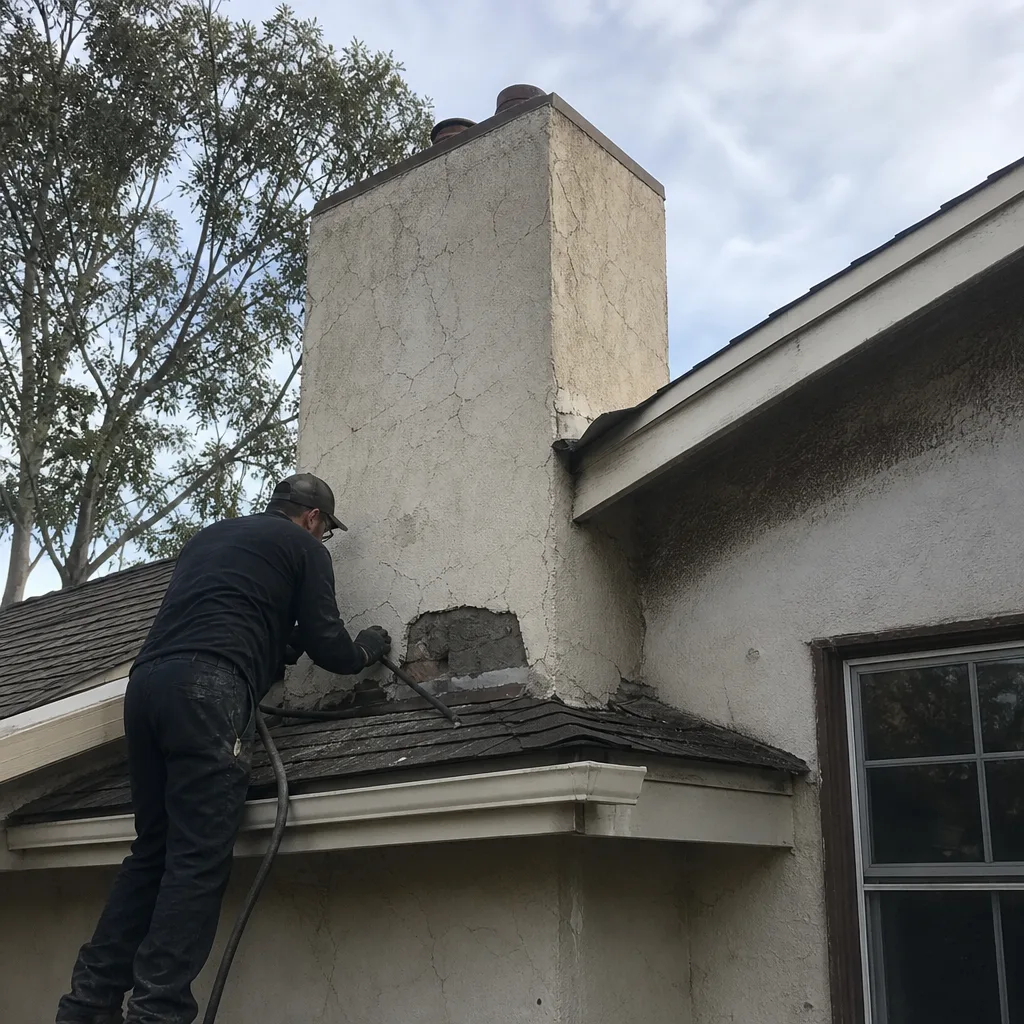 Before
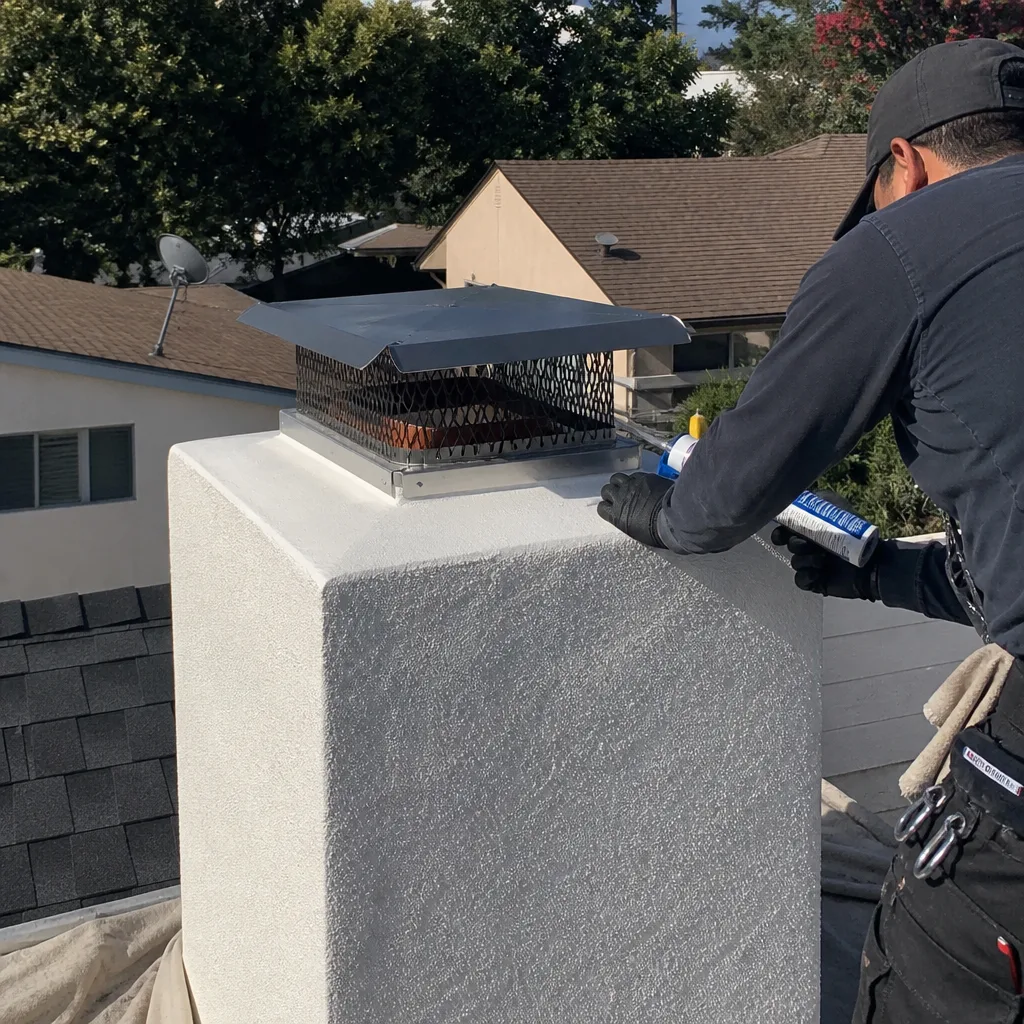 After