Last updated November 3, 2026
 Sweep & inspection
 Caps & crowns
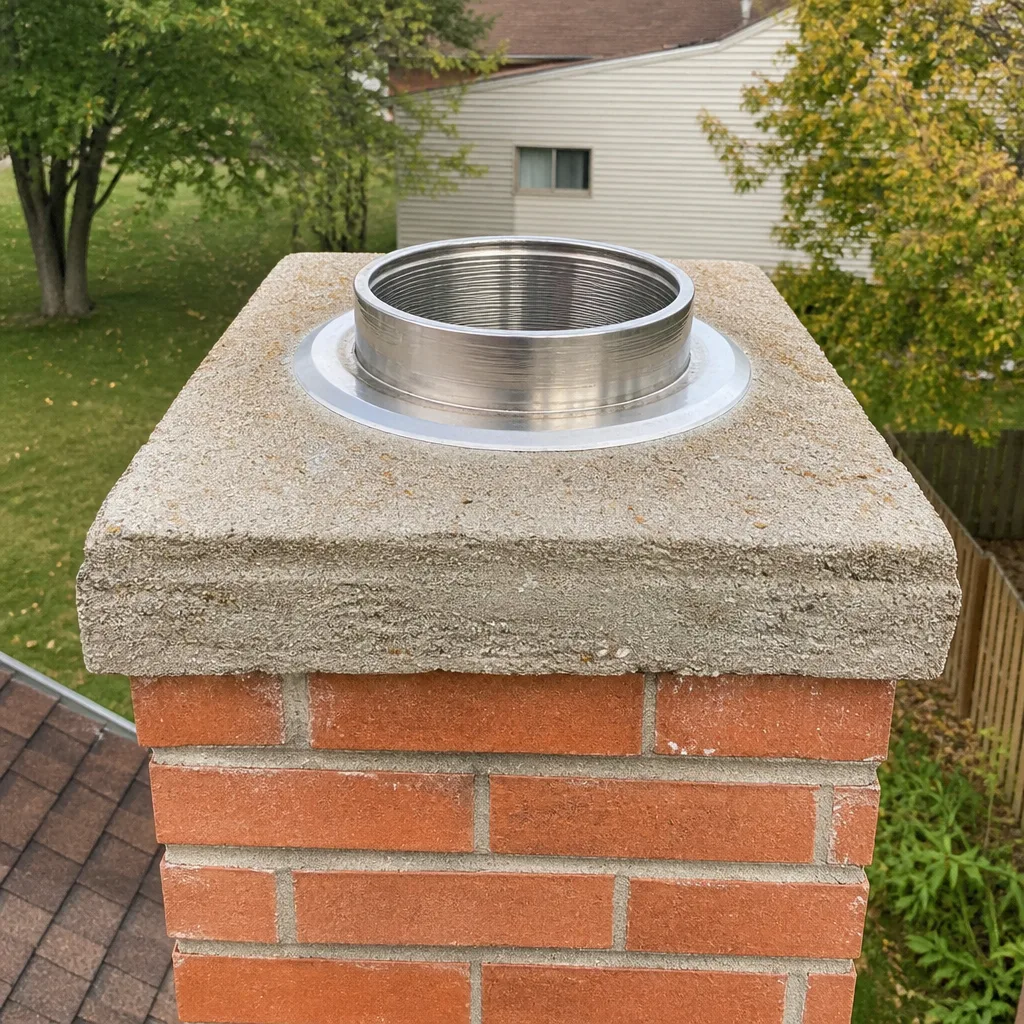 Flue relining
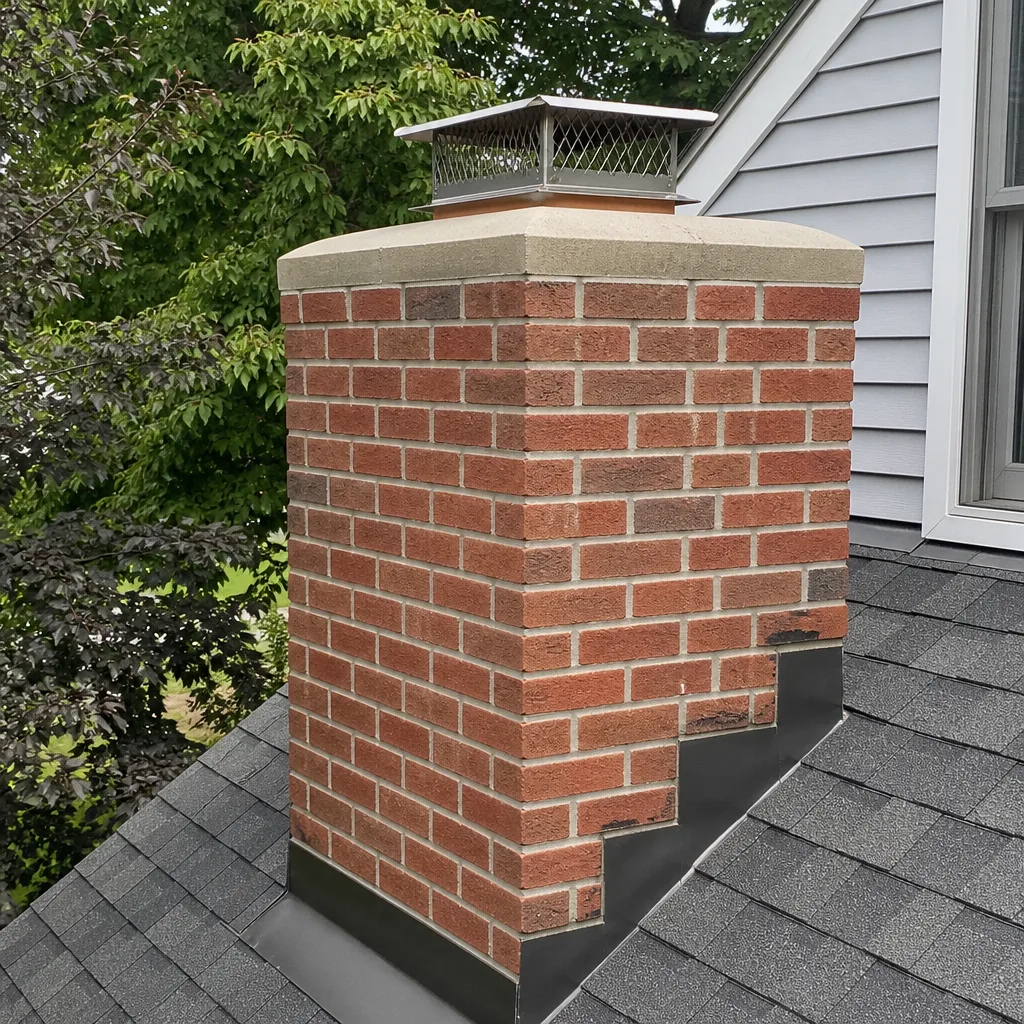 Masonry repair
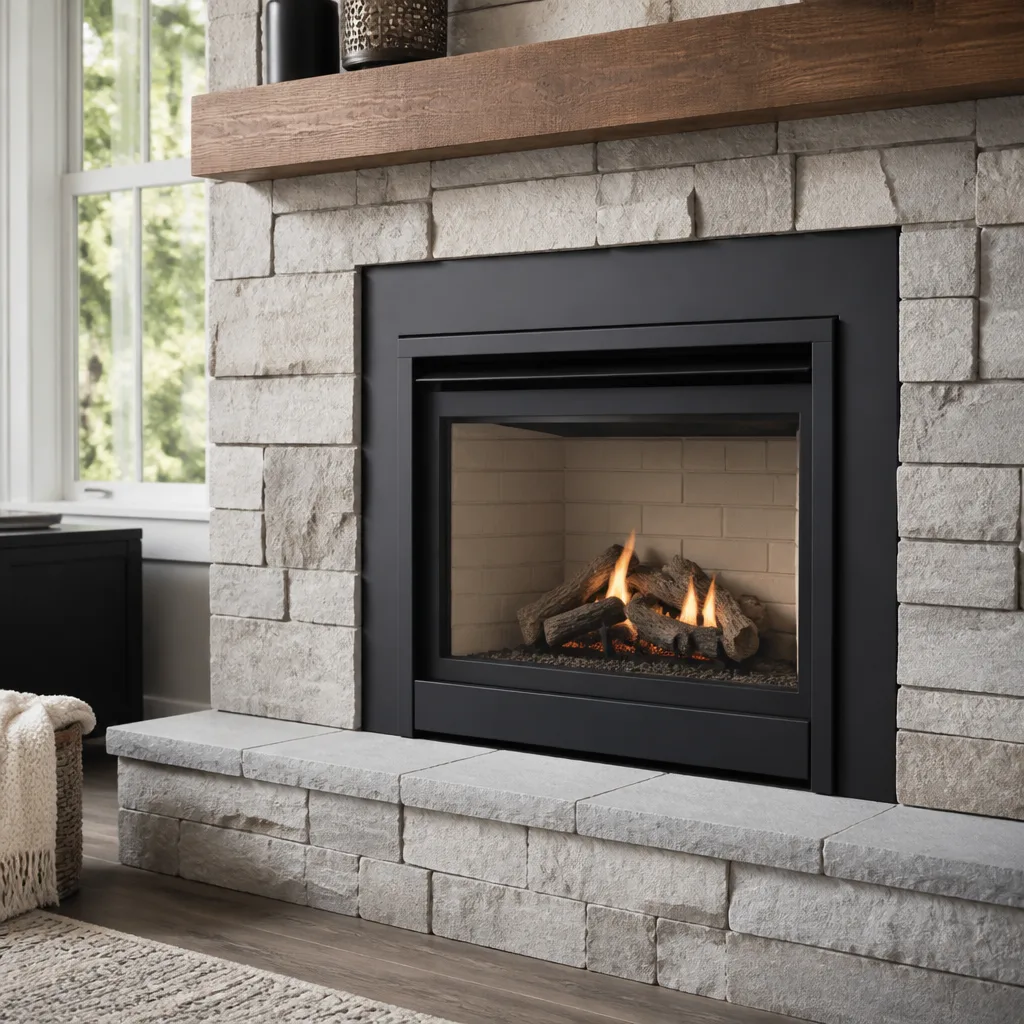 Gas fireplace service
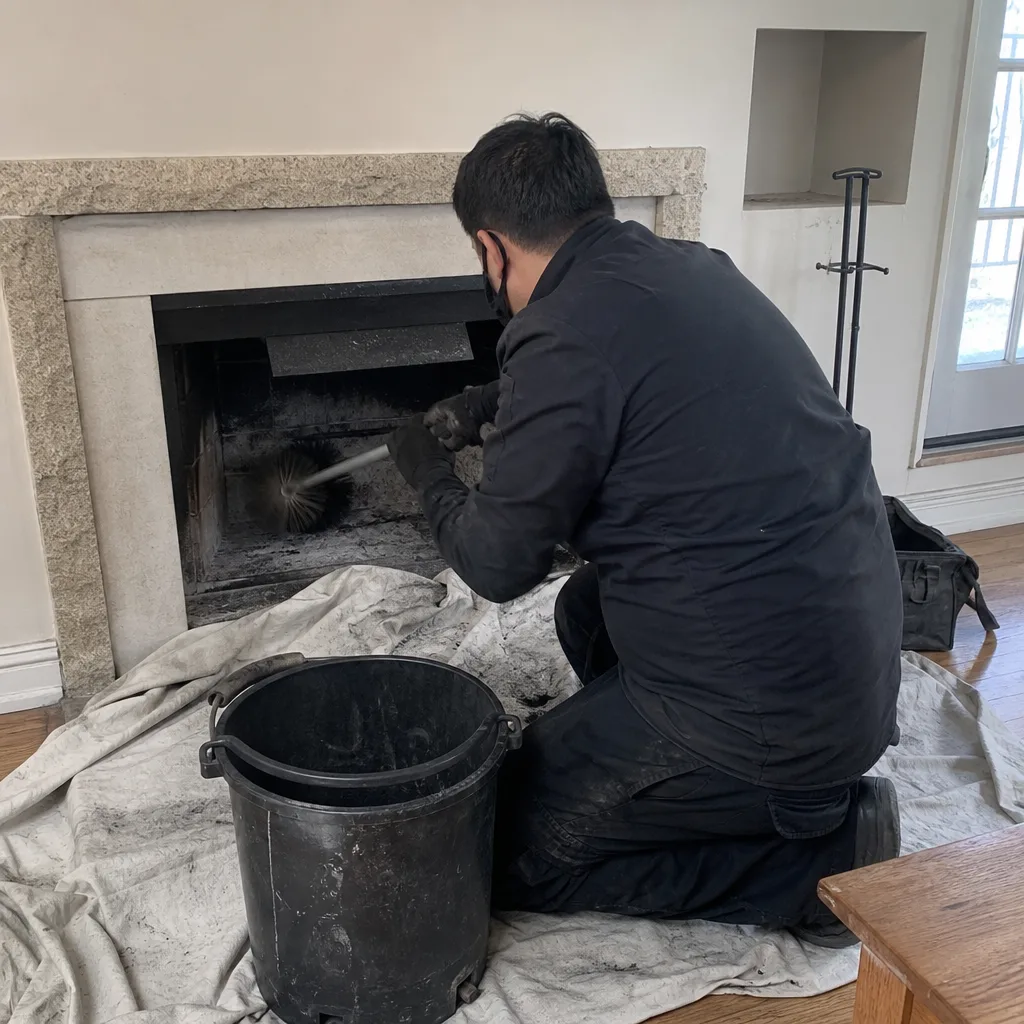
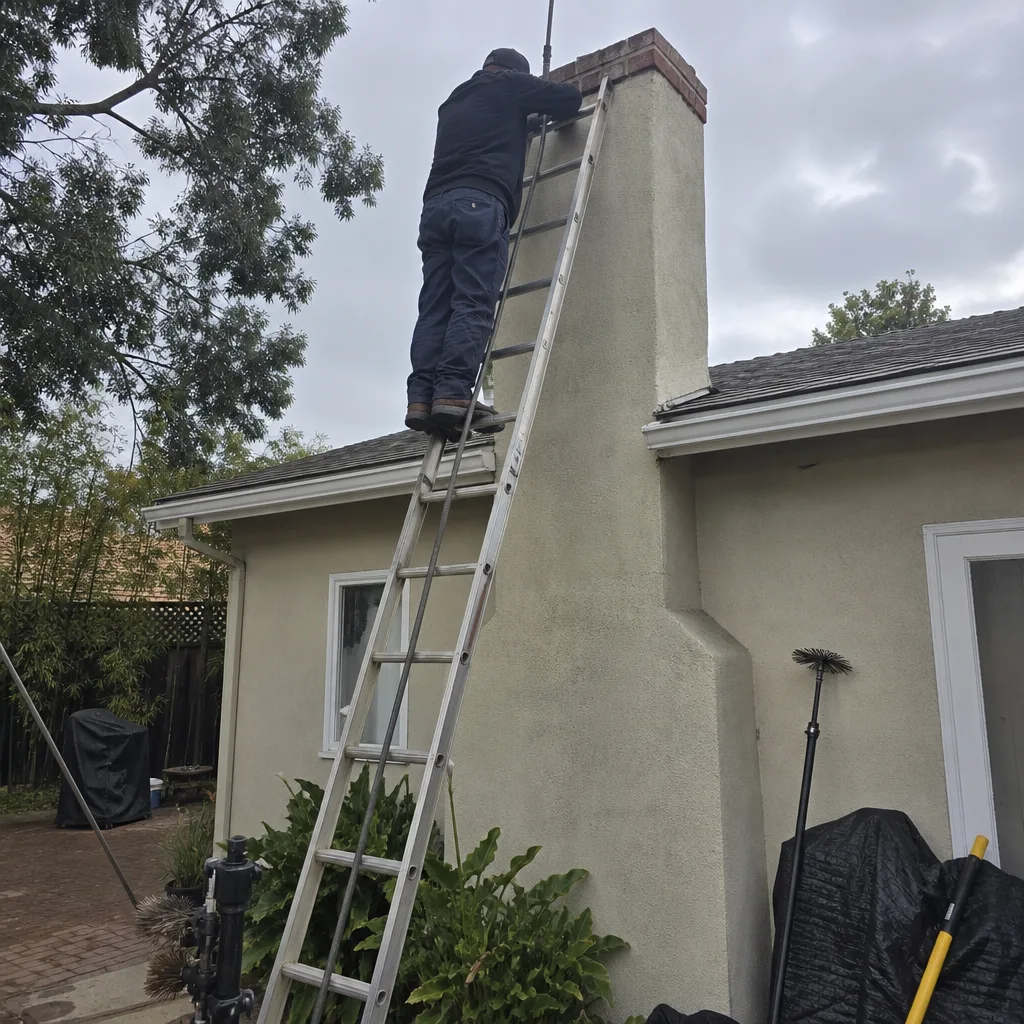
Level 1 sweep and inspection to the NFPA 211 annual standard - flue, crown, cap, and flashing checked and photographed
Chimney sweep logs do not sweep chimneys. They loosen some creosote - which then falls where a brush and vacuum still have to collect it.
Choosing the Right Chimney Cleaning Brand: A Buyer’s Guide for Atwater Village
Here’s something most Atwater Village homeowners never hear until it’s too late: the term “chimney repair” has no legal definition in California. One contractor’s repair is a factory-engineered HeatShield resurfacing system with a 20-year warranty. Another contractor’s repair is a $40 bucket of refractory patch from a hardware store aisle, smeared over a cracked flue by a subcontractor who’s never touched a masonry drill. The difference is invisible from the fireplace opening, and it either protects your home from a chimney fire or quietly fails before next burning season. This guide maps the material brands that actually perform, shows you how to verify what your contractor quotes, and explains why the names on the estimate matter more than the names on the business card. For more on protecting your home, see our Complete Chimney Sweep Guide for Atwater Village Homeowners.
Styles & brands we work with
- Sweep & inspection
- Caps & crowns
- Flue relining
- Masonry repair
- Gas fireplace service
Quick Answer
The right chimney cleaning brand isn’t a cleaning product at all. It’s the material brand your contractor specifies for repairs and components. In California’s varied climate and aggressive code environment, professional-grade names like DuraFlex (flexible stainless liner systems), HeatShield (resurfacing systems), Copperfield (chimney caps), and Olympia Chimney (crown sealants and components) signal a contractor who stocks and installs engineered, warrantied materials rather than commodity substitutes. Ask for brand names on every written estimate, verify manufacturer documentation after installation, and walk away from any quote that says “liner repair” without a product name.
Table of Contents
- Why Material Brands Are the Real Credential
- The Four Product Categories That Matter Most
- HeatShield vs. DuraFlex: When Each System Wins
- Chimney Caps: Copperfield vs. Generic
- Stocking vs. Sourcing: What Inventory Reveals
- How to Demand Brand Specificity on a Written Estimate
- Verifying Installed Materials After the Job
- Common Mistakes to Avoid
- When to Call a Professional
- Frequently Asked Questions
- The Bottom Line
Why Material Brands Are the Real Credential
Anyone can print a business card that says “chimney specialist.” No licensing requirement in California forces a contractor to prove they understand flue thermodynamics, draft mechanics, or liner material science before offering chimney repairs. The credential that actually means something is the material brand they reach for when the chimney is opened up. A contractor who installs DuraFlex liners and HeatShield resurfacing systems has passed manufacturer training, maintains stock of engineered components, and puts their work under a real warranty. That says more than any review count ever could.
Here’s what we mean by that. At Pearl Chimney Cleaning home, we stock and install a curated set of professional-grade brands: DuraFlex, HeatShield, Gelco, Olympia Chimney, Famco, and Copperfield. These names don’t show up in hardware stores because manufacturers deliberately sell them through certified chimney professionals. When a contractor quotes one of these brands, you’re getting a traceable product with engineering documentation. When they quote “liner repair, materials included,” you’re getting whatever’s cheap. In Atwater Village, with its mix of 1920s Spanish Revival chimneys and mid-century masonry, that distinction determines whether a repair lasts one season or two decades.
The Four Product Categories That Matter Most
Most homeowners shopping for chimney cleaning in Atwater Village don’t realize that a proper sweep almost always uncovers component needs. The chimney is a system, not a tube, and four material categories do the bulk of the protective work. Understanding what each does, and which brands perform, is the entire game.
1. Chimney Caps
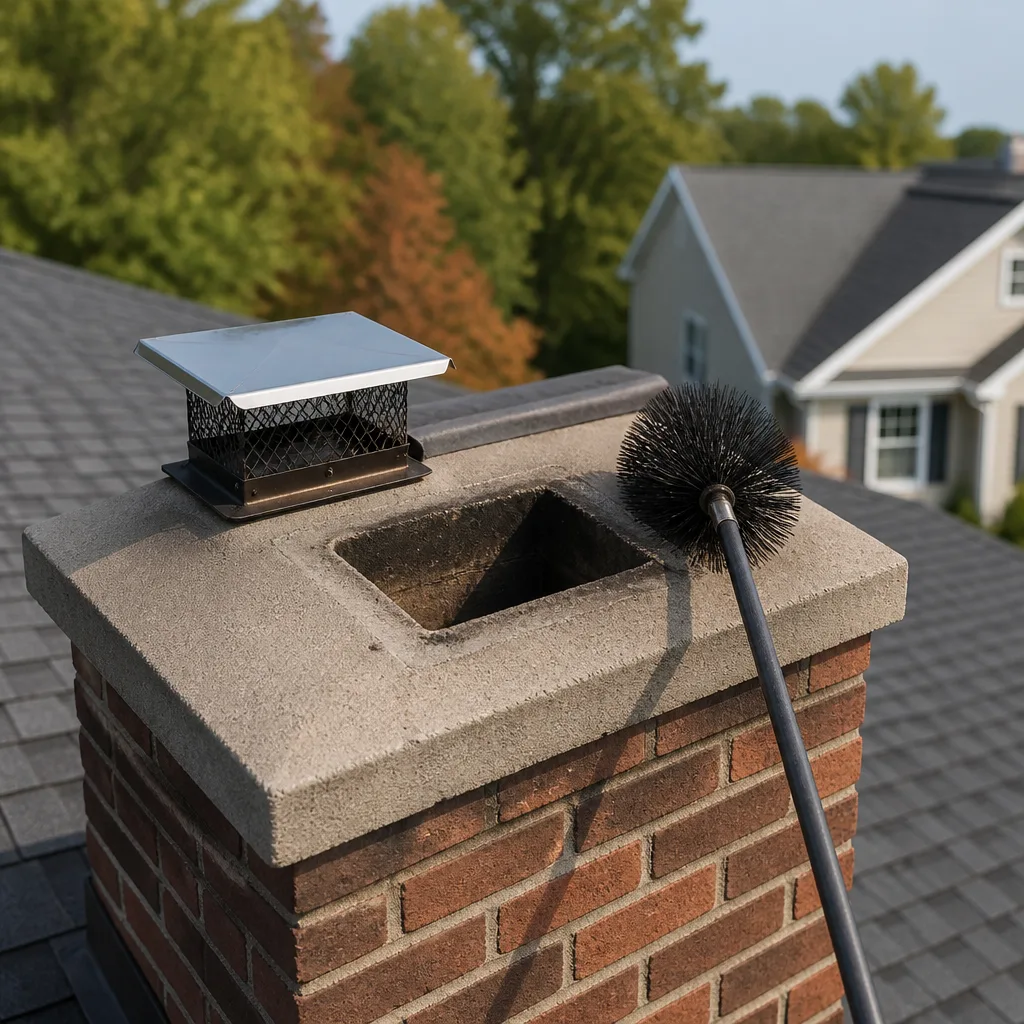
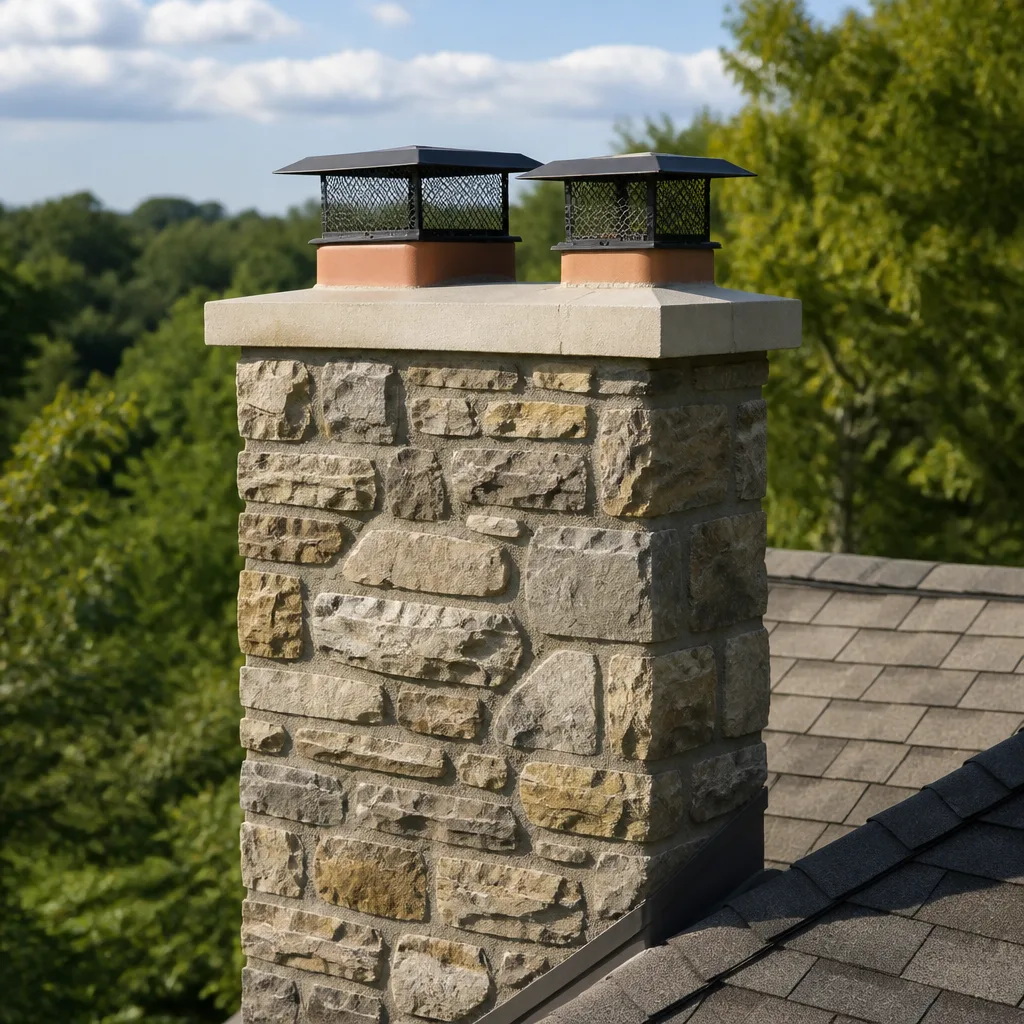
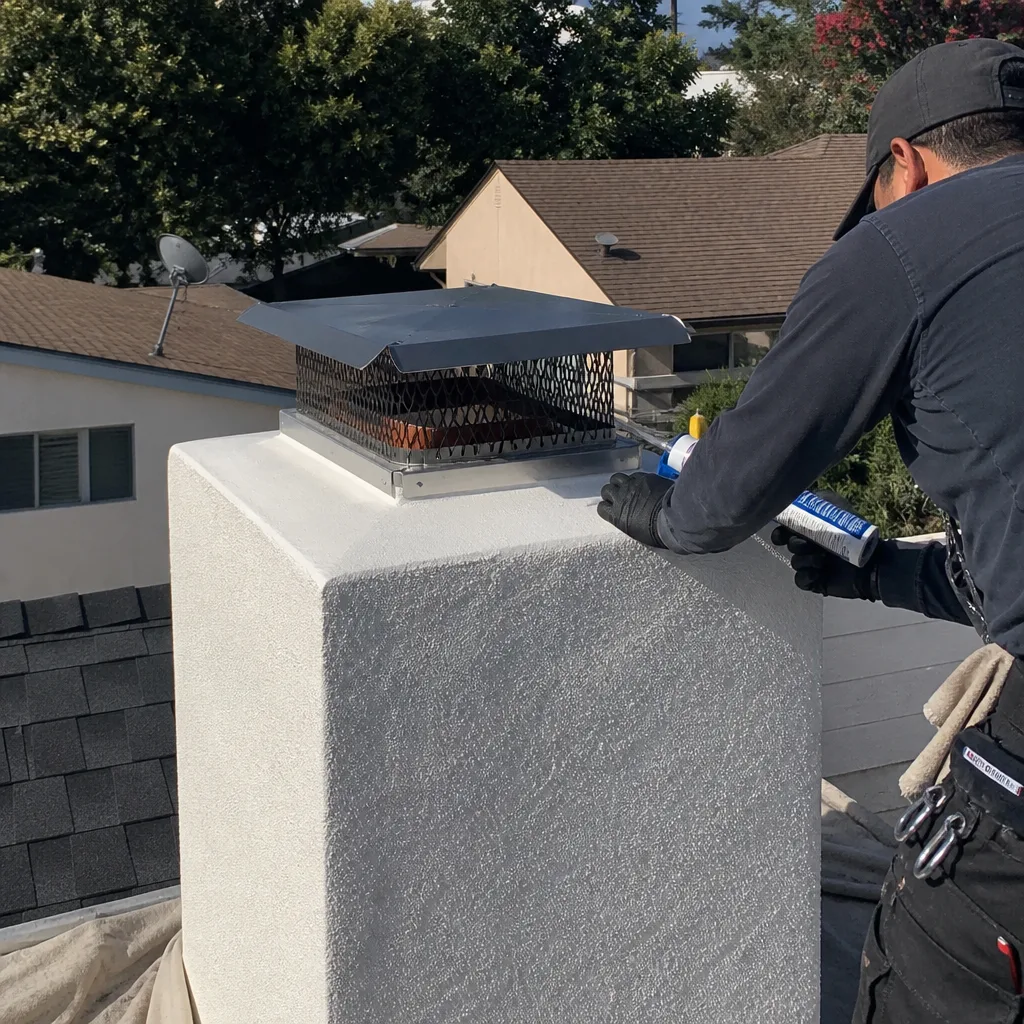
A cap sits on top of the flue and blocks rain, downdrafts, and embers from escaping while keeping animals and debris out. A Copperfield cap is fabricated from 304 stainless steel or copper with welded seams and a designed mesh gauge that balances spark arrest with draft. A generic cap from a big-box retailer is often thinner steel with folded seams that leak at the corners within three years. In Atwater Village, where the spring rains test every cap, we’ve pulled generic caps off chimneys that had rusted through at the seam while the chase below stayed dry. The cap is the cheapest major component on your chimney, and the quality gap is enormous.
2. Liner Resurfacing Systems
When a clay tile liner has cracks or gaps but the overall structure is sound, the modern fix is a ceramic resurfacing system like HeatShield. This is not paint. It’s a specifically engineered blend of ceramic materials that is applied with specialized equipment, fills gaps and cracks, and then gets a forced-air cure. HeatShield is warranted when run by a certified installer. The alternative, a refractory patch compound sold by the gallon, is a temporary bandage that often fails within two burning seasons. The material difference is the entire repair.
3. Flexible Stainless Liner Systems
When a clay liner is cracked beyond resurfacing or the chimney was built without a liner at all, the correct repair is a flexible stainless steel liner system. DuraFlex is the gold standard in this category: 316L stainless steel, multiple alloy grades for different fuel types (gas, oil, wood), and a full range of connector and termination components. The material choice matters because wood combustion produces acidic condensate that eats through lower-grade alloys. A DuraFlex 316L liner handles it. An off-brand 304 liner, or even worse, an aluminum liner sold for gas appliances installed on a wood chimney, fails early and dangerously.
4. Crown Sealants and Flashing Materials
The crown is the concrete or mortar cap that sheds water away from the flue, and the flashing is the metal joint where chimney meets roof. Olympia Chimney makes professional-grade crown repair compounds and flashing materials designed for high UV exposure and freeze-thaw cycles. Hardware store silicone and roofing tar degrade under direct California sun and crack with seasonal expansion. These are the quiet, unglamorous materials that determine whether water gets into your chimney chase or stays out.
Here’s the clean framework: Copperfield for the cap, HeatShield for internal liner resurfacing, DuraFlex for full liner replacement, Olympia for crowns and flashing. If your quote doesn’t name names in each category, someone is making decisions for you that you’ll pay for later.
HeatShield vs. DuraFlex: When Each System Wins
This is the single most confusing decision for homeowners, and the one where material brands matter the most. Both systems legitimately repair a damaged flue. They just solve different problems. Choosing the wrong one either wastes money on a heavier solution than needed or, far more dangerous, underengineers a chimney that needed a full replacement.
HeatShield is a resurfacing system. It works on the existing liner. If your clay tile liner has minor cracks, spalling, or gaps in the mortar joints but is still structurally intact and seated correctly, HeatShield fills those defects and creates a new ceramic surface with a manufacturer warranty. The process is faster than a liner replacement, costs significantly less, and preserves the existing flue diameter. We’ve used it extensively in Atwater Village on older chimney stock where the clay tiles are cracked but the masonry around them is still sound.
DuraFlex is a replacement system. It goes inside the existing flue and creates a new, continuous stainless steel liner from the appliance to the chimney top. This is the correct choice when clay liners are missing entirely, when the flue is so misaligned that resurfacing is impossible, when there’s been a chimney fire and the clay is fractured beyond repair, or when you’re converting an old open fireplace to a wood stove or gas insert that requires a smaller, specific diameter liner. DuraFlex is also the answer when the existing liner is unlined masonry – common in pre-1920s construction, of which Atwater Village has its share.
Here’s the decision rule in plain English: Resurface what’s salvageable. Replace what’s structurally compromised. HeatShield preserves existing flue capacity and costs less. DuraFlex rebuilds the flue from the inside out and is necessary when failure is more than cosmetic. A contractor who only offers one or the other, or who reaches for a full replacement quote when a resurfacing would suffice, is optimizing for their margin, not your outcome. The right specialist diagnoses the flue with a camera, shows you the footage, and explains which material system matches what the camera found.
In our experience, most Atwater Village chimneys that have been regularly swept and haven’t experienced a chimney fire are good HeatShield candidates. Most that have been neglected for a decade or more need the full DuraFlex replacement. The camera doesn’t lie, and the material choice should follow the footage.
Chimney Caps: Copperfield vs. Generic
The chimney cap is the one component most homeowners never think about until a raccoon is living in the flue or the living room smells like wet ash every March. By then, the damage is done, and the repair is more than a cap replacement. This is where brand quality is easiest to spot, because a cap is visible and measurable.
A Copperfield cap is built from 18-gauge or heavier stainless steel, with welded corners, a rolled edge, and a matched spark arrestor mesh that meets code without choking draft. The mounting system is designed for specific flue tile sizes, so the cap sits square and stays put through wind storms. The finish, whether stainless or copper, holds up for decades. A generic cap, sold by the piece at home centers, is often stamped from 24-gauge steel with folded corners and a coarse mesh that either blocks too much draft or lets embers through. We’ve replaced generic caps in Atwater Village that were installed less than three seasons earlier and had already corroded at the folds.
There’s also a functional difference that affects performance. A well-designed Copperfield cap manages wind-induced downdraft better, because the geometry of the lid and mesh is tested for aerodynamic behavior. That matters in Atwater Village, where winter wind patterns push down through the Verdugo Hills and into chimneys on the northern slope. A poorly designed cap turns a drafty chimney into a smoke-filled living room on windy nights.
The cap is also your first line of defense against ember escape. During red flag conditions, a spark arrestor with the wrong mesh gauge is a genuine ignition point. California code specifies mesh aperture for a reason. A Copperfield cap is built to that spec. A generic cap may be, too, but you’re trusting a bin label rather than a manufacturer’s engineering print.
When we install a cap, it’s Copperfield or another professional-grade unit from our stock, sized to the actual flue opening and mounted to survive a decade of Atwater Village weather. When we remove a cap someone else installed, it’s usually generic, and the difference is immediately obvious in the metal thickness and seam quality.
Stocking vs. Sourcing: What Inventory Reveals
Here’s a signal that gets missed in every contractor comparison conversation: does the chimney company actually carry inventory, or do they order materials per job after you’ve signed? It sounds like inside baseball, but it reveals something real about specialization and reliability.
A company that stocks DuraFlex liner sections, HeatShield ceramic mix, Copperfield caps, and Olympia components is making a daily commitment to chimney work. That inventory represents thousands of dollars tied up in product, which means the company does enough volume to justify the stock and has the expertise to install what they stock. It also means jobs get done in one visit. The contractor opens the van, pulls the right components, and finishes the repair.
A generalist who orders per job is working from a catalog. They quote “stainless liner, 6 inch” without specifying the alloy or brand, order whatever their supplier has, and often discover on install day that a connector is missing or the grade is wrong. That means a second trip, a second day of disruption, and often a substitution you never approved. Worse, per-job sourcing means the contractor isn’t trained by the manufacturer, because training usually requires a stocking relationship.
In Atwater Village, where the home stock is older and the chimneys have quirks, the difference shows up fast. We keep our vans stocked with the brands we install, which means when we open up a flue and find something unexpected, we’re not making a phone call and rescheduling. We’re fixing it that day with the right material. That’s the difference between a chimney specialist and a handyman who also does chimneys.
How to Demand Brand Specificity on a Written Estimate
The easiest way to separate a real chimney specialist from a generalist is to read the estimate they hand you. A professional estimate names materials by brand and product line. A vague estimate is a contract red flag you should not ignore. Here’s how to push for specificity before you sign anything.
First, ask this exact question: “Can you put the material brands and product line names on the written estimate?” A specialist will say yes immediately, because the brand names are their selling point. A generalist will hem and haw, explain that “materials vary,” or write “stainless liner, 6 inch, as needed.” Walk away from that.
The estimate should read something like: “Install 316L stainless steel liner system, DuraFlex, 6-inch diameter, with approved top plate and connector to schedule.” Or: “Resurface flue using HeatShield system, ceramic resurfacing to manufacturer specification, certified installer.” Or: “Replace chimney cap with Copperfield Model [number], stainless steel, sized to flue tile.” Those are sentences that commit a contractor to a specific, traceable product. If the estimate only says “repair liner” or “install cap,” you genuinely don’t know what you’re paying for.
Here’s a step-by-step approach that works:
- Ask for the estimate in writing. If they won’t put numbers on paper, end the conversation.
- Read the materials section carefully. Look for brand names, product lines, and specific model numbers or material grades.
- Flag any vagueness. “Liner repair, materials included” is not a quote. Ask: “What brand of liner? What alloy? What resurfacing system?”
- Verify the brand exists. Quick search for “DuraFlex liner” or “HeatShield chimney” should show a manufacturer’s page with professional installer language.
- Ask who installs it. Is the contractor certified by the manufacturer? Brand websites usually list certified installers.
- Get a warranty in writing. Manufacturer warranty and installer workmanship warranty are separate things. Know both.
One more note: don’t accept “we use industrial-grade materials” as a substitute for brand names. That phrase means nothing. Every material is industrial-grade to somebody. The brand name is how you verify the claim. If you’re getting a Chimney Repair in Atwater Village quote without a brand name on it, you’re not getting enough information to make a real decision.
Verifying Installed Materials After the Job
Brand names on the estimate are only half the protection. The other half is verifying that what was quoted is what actually went into your chimney. Most homeowners never look, and that’s exactly when substitution happens. Here’s what legitimate post-install documentation looks like, and how to confirm you got what you paid for.
Manufacturer documentation. For system installations like DuraFlex or HeatShield, the manufacturer provides documentation to the installer, often including a warranty registration form that goes to the manufacturer with the installer’s information and the installation date. You should get a copy. If your contractor can’t provide this for a system install, ask why.
Camera footage or photos. A professional chimney repair should include before and after inspection footage. At minimum, you should see photos of the flue before work, the materials staged during work, and the finished installation. We photograph every job at Chimney Sweep in Atwater Village locations as standard practice, because documentation is part of the job. If a contractor has no visual record of the work, you have no way to verify any of it.
Warranty registration. Manufacturer warranties on HeatShield and DuraFlex systems are registered through the installer. Ask for confirmation that the warranty has been registered, and keep the installer’s workmanship warranty separate in your files. The manufacturer covers the material and its performance. The installer covers the labor and the quality of the installation.
Visual confirmation you can do yourself. For a cap replacement, get on a ladder or use binoculars and look at the cap. It should look new, sit level, and be secured at all mounting points. For a liner installation, check that the termination at the top is clean and that the connector at the appliance looks professional. These are simple checks that catch most short-cut installations.
If you’re in Atwater Village and you want a second opinion on a recent chimney repair, or you want a repair from a team that documents what it installs, call us at (833) 630-4048. We’re happy to look at what’s there and tell you honestly what you’ve got.
Common Mistakes to Avoid
- Signing an estimate that doesn’t name material brands. “Liner repair” without a product name is a blank check for the cheapest material available. Demand brand names like DuraFlex, HeatShield, and Copperfield on the written estimate.
- Assuming all stainless steel liners are equal. Alloy grade matters enormously. A 316L DuraFlex liner handles wood combustion condensate. A lower-grade 304 liner, or an aluminum liner on a wood flue, fails early and dangerously.
- Replacing a liner when resurfacing would work. If your clay liner has minor cracks and the structure is sound, a HeatShield system preserves flue diameter and costs less than a full DuraFlex replacement. Get a camera inspection before agreeing to either.
- Skipping the cap replacement. A damaged or missing cap lets rain, animals, and debris into the flue, which then accelerates liner damage. The cap is the cheapest major chimney component, and neglecting it causes the most expensive repairs.
- Not verifying what was actually installed. If you can’t see the cap, have no documentation for the liner, and no warranty was registered, you have no way to confirm you got what you paid for. Demand photos, documentation, and warranty confirmation.
- Choosing a contractor because the price is lowest. Chimney materials have a wide quality spread, and the cheapest quote almost always reflects that spread. A HeatShield system costs what it costs. A bucket of patch compound costs much less. You get the chimney you pay for.
- Treating chimney cleaning and chimney repair as separate searches. They’re the same system, and the same specialist should handle both. If your sweep can’t repair what they find, you’re coordinating two contractors for one chimney. Look for a company that does the full vertical, like what we cover in Dryer Vent Cleaning and the rest of our combustion safety services.
When to Call a Professional
Chimney work is not a DIY vs professional project. The components are on the roof, the flue is invisible without a camera, and the materials require manufacturer training to install correctly. Call a professional if you haven’t had the chimney swept and inspected in two or more years, if you see white staining on the exterior masonry (efflorescence from water intrusion), if you smell smoke in the house when the fire isn’t running, or if you’ve bought a home with an uninspected chimney. Chimney fires are real, carbon monoxide from blocked flues is real, and the inspection that catches them is fast and inexpensive by comparison.
Pearl Chimney Cleaning offers free estimates in Atwater Village. Call (833) 630-4048 and we’ll inspect the flue, show you the footage, and give you a written estimate with brand names on every component.
Frequently Asked Questions
A standard chimney sweep in Atwater Village runs $180 to $340 depending on the flue type and condition, and a Level 2 camera inspection (recommended for any chimney that hasn’t been inspected recently) adds $100 to $200. These are typical market ranges, not a quote. Call (833) 630-4048 for an exact estimate – our estimates are free, and we’ll tell you exactly what your specific chimney needs before any work starts.
That depends entirely on what a camera inspection shows. If the existing clay liner has minor cracks and is structurally sound, a HeatShield resurfacing system is often the right fix, preserving flue diameter and costing significantly less than replacement. If the liner is missing, severely misaligned, or shattered from a chimney fire, a full DuraFlex stainless liner replacement is the correct repair. Never agree to either without seeing the camera footage yourself.
The National Fire Protection Association recommends a sweep and inspection at least once a year for wood-burning fireplaces, and more often if you burn heavily or notice soot buildup. In Atwater Village, the burning season runs October through March, and the sweep should happen before the season starts. If you use the fireplace once a week or more, plan for two sweeps a season.
Creosote, a tar-like byproduct of wood combustion, builds up inside the flue. It’s highly flammable, and a thick enough layer can ignite, causing a chimney fire that reaches 2,000°F and cracks flue tiles, warps liners, and can spread into the home’s structure. Even without a fire, a blocked or restricted flue can push carbon monoxide back into the living room. The sweep is cheap compared to either outcome.
Because a proper cleaning includes an inspection, and the inspection often finds component needs like a cap replacement or liner repair. When that happens, the brand on the repair quote tells you what quality of material you’re actually buying. A specialist who stocks DuraFlex, HeatShield, and Copperfield components is giving you traceable, warrantied material. A generalist reaching for hardware-store substitutes is not. The brand is your quality control.
Yes, if the company carries inventory. At Pearl Chimney Cleaning, we stock the brands we install (DuraFlex, HeatShield, Copperfield, and others), which means we can perform most repairs the same day the problem is found. Companies that order per job may need to come back a second time. When you call (833) 630-4048, ask whether the contractor carries inventory – it tells you a lot about how the job will go.
The Bottom Line
Chimney cleaning is the entry point to chimney health, but the materials used when repairs are needed are where the real decisions happen. The brand your contractor reaches for reveals their expertise, their training, and their commitment to doing the job correctly. Professional-grade names like DuraFlex, HeatShield, Copperfield, and Olympia are engineered, warrantied, and installed by trained specialists. Vague estimates with no brand names leave you unprotected and uninformed. Demand specificity on every quote, verify what gets installed, and choose a contractor who treats documentation as part of the job. The chimney is a system, and the right materials keep it safe for decades. Explore more guides & resources on keeping your chimney protected. The wrong ones hide behind the word “repair” and fail when you need them most.
Written by the team at Pearl Chimney Cleaning, serving Atwater Village since 2013.
See the difference
 Before
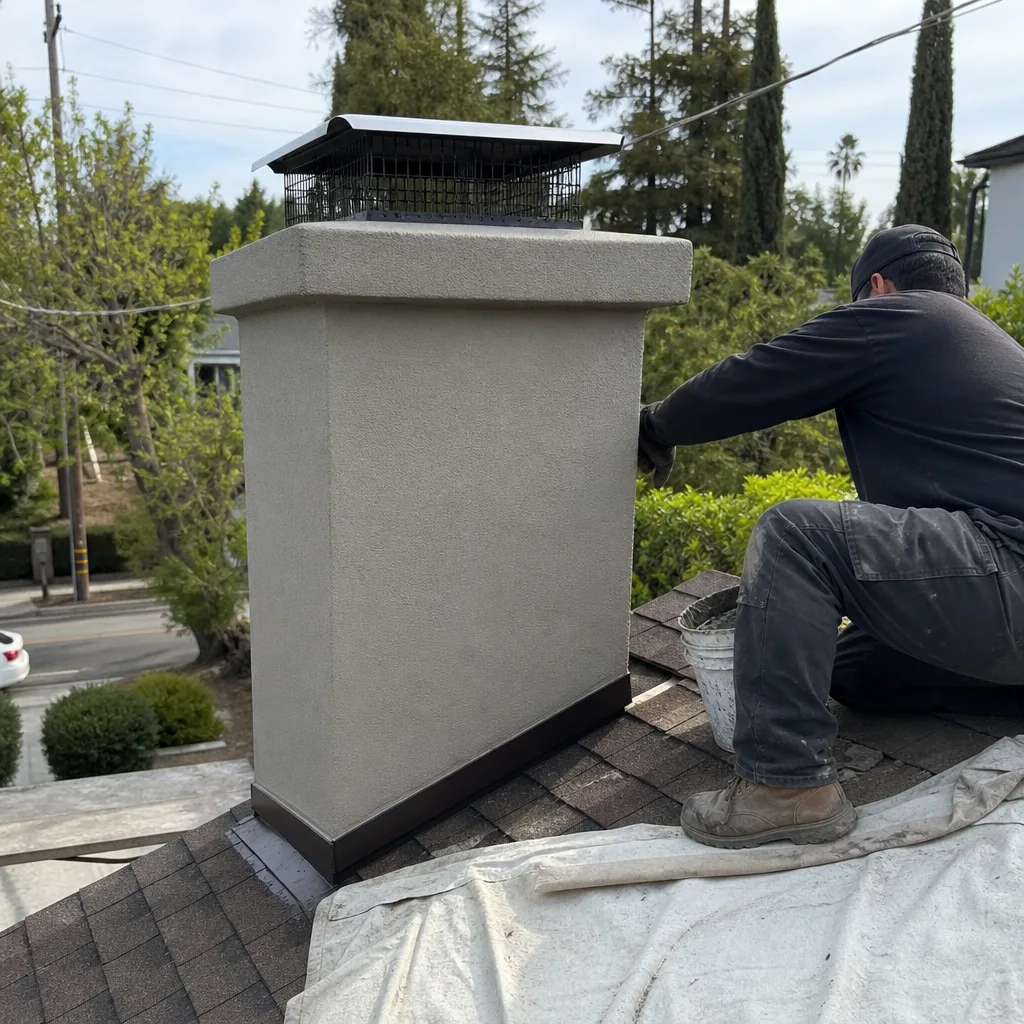 After
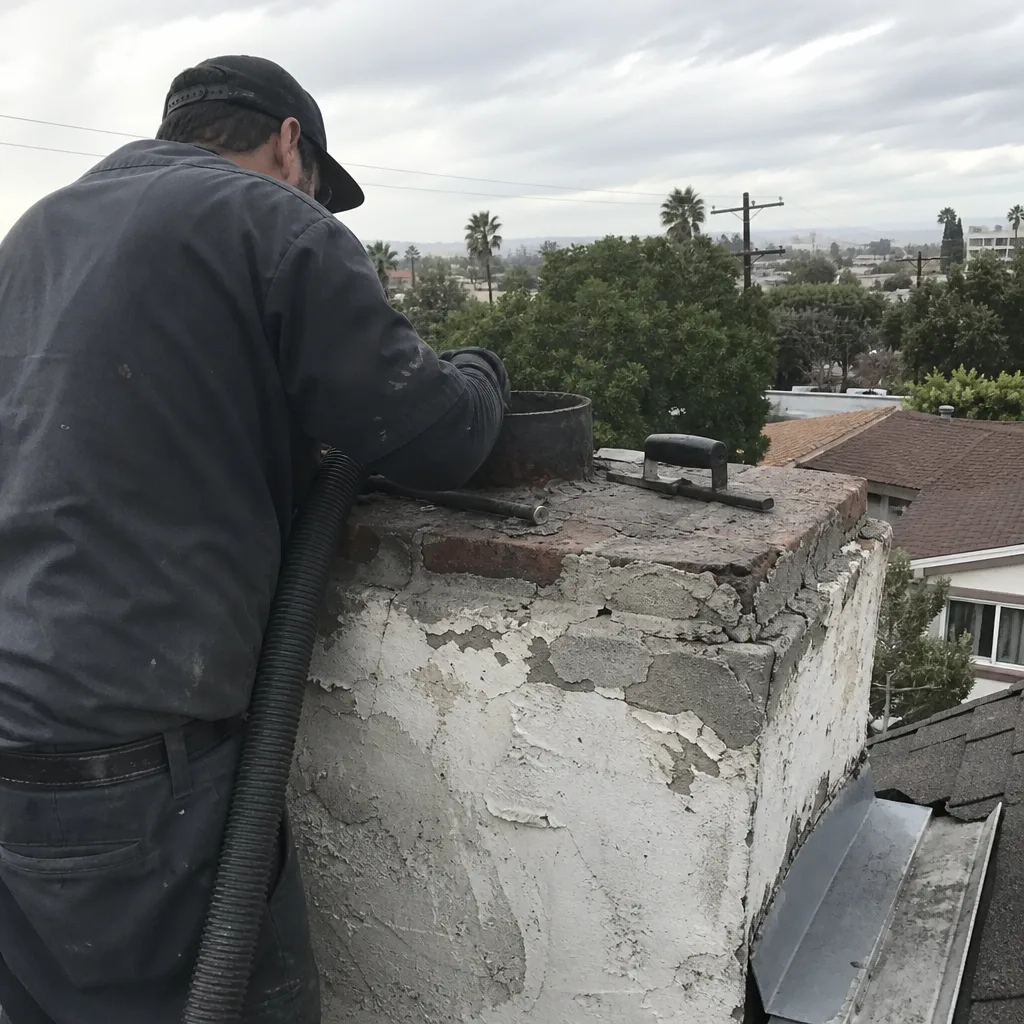 Before
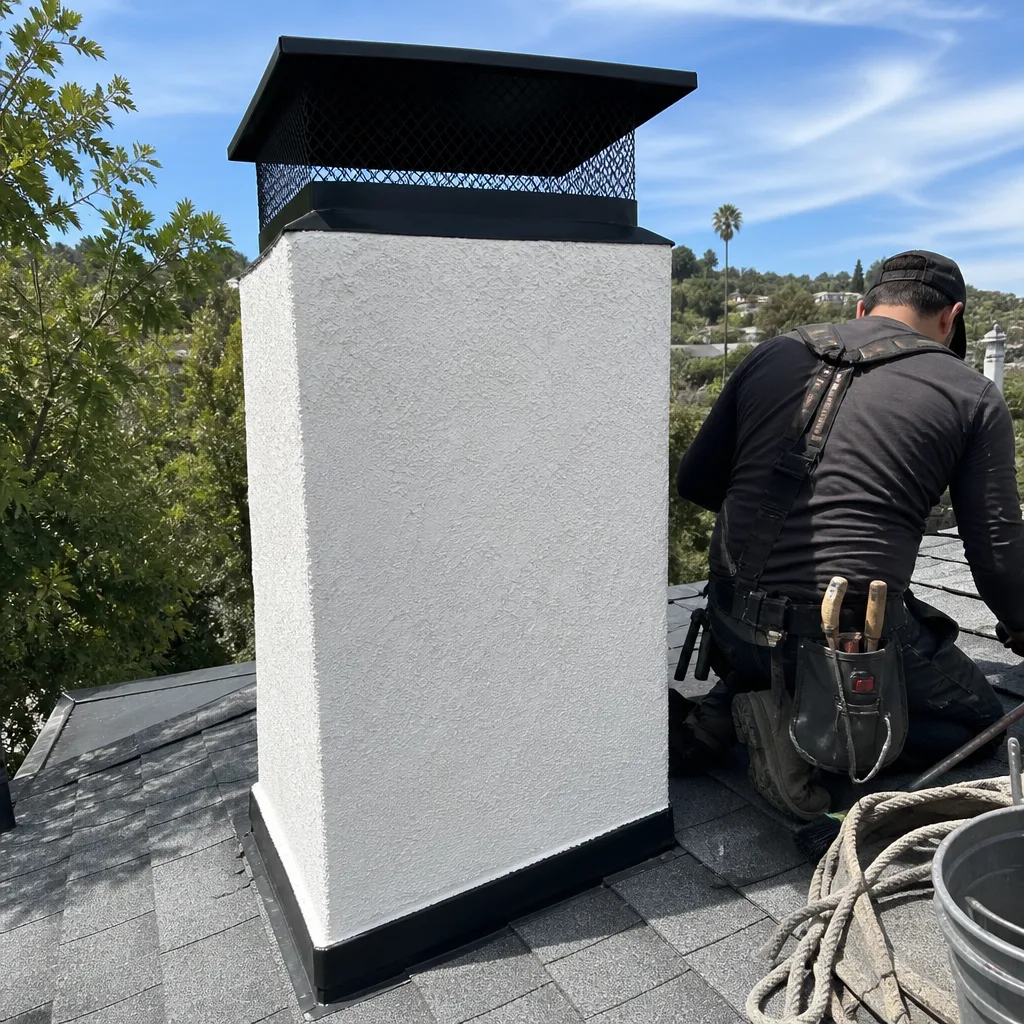 After
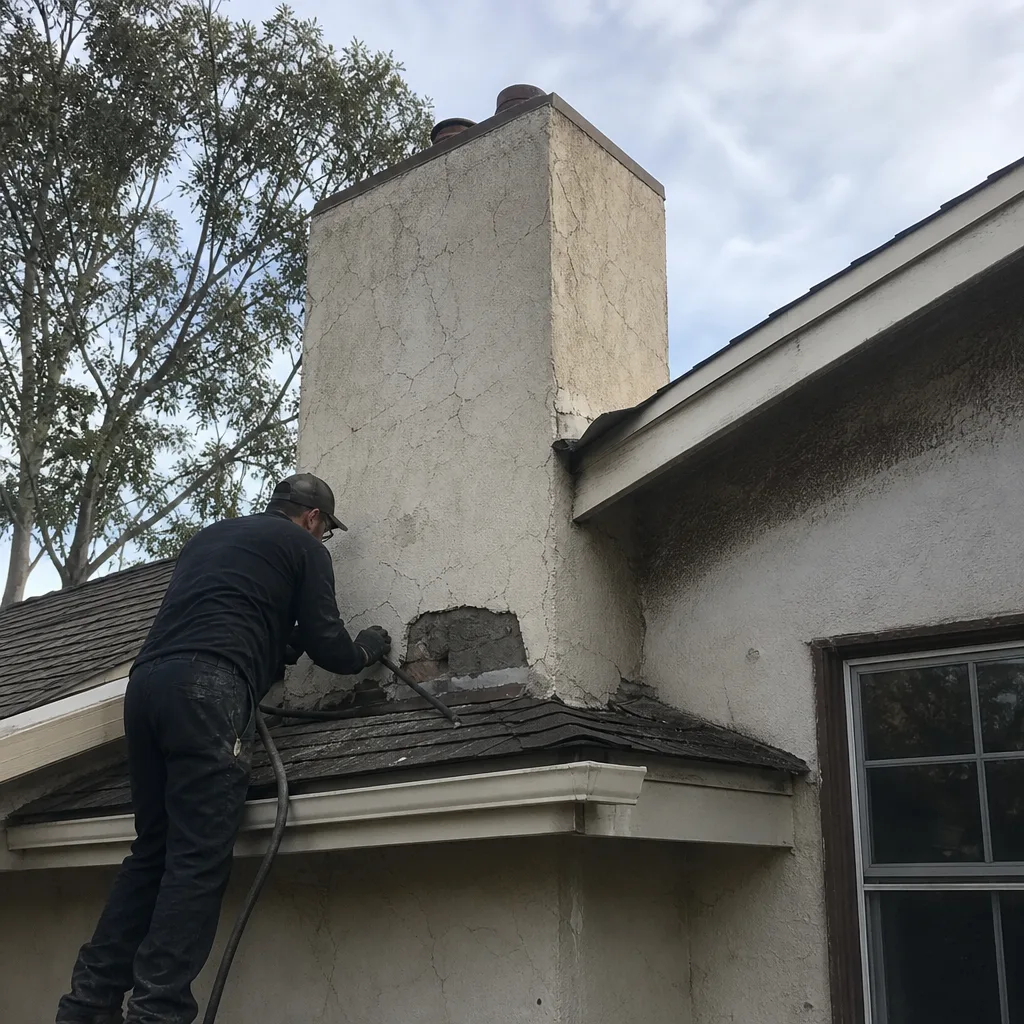 Before
 After