
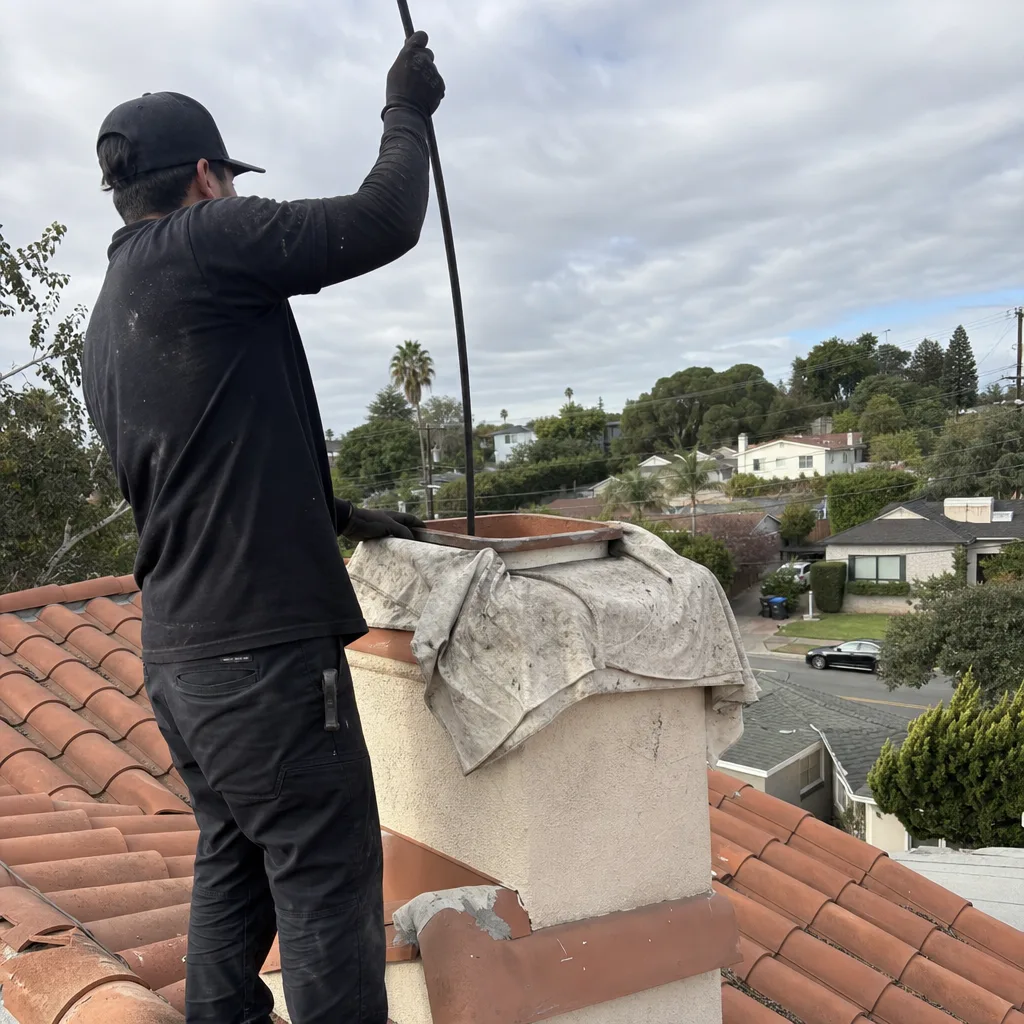
Last updated November 2, 2026
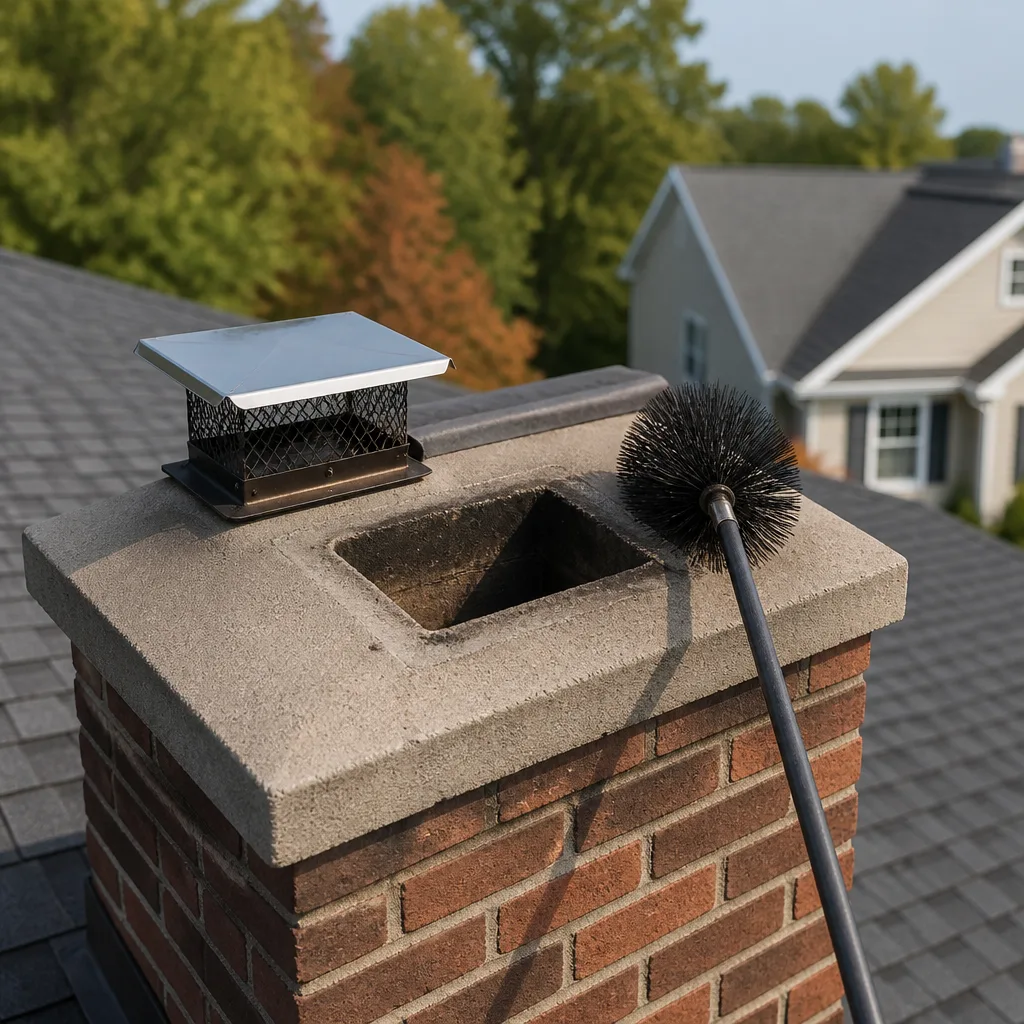 Sweep & inspection
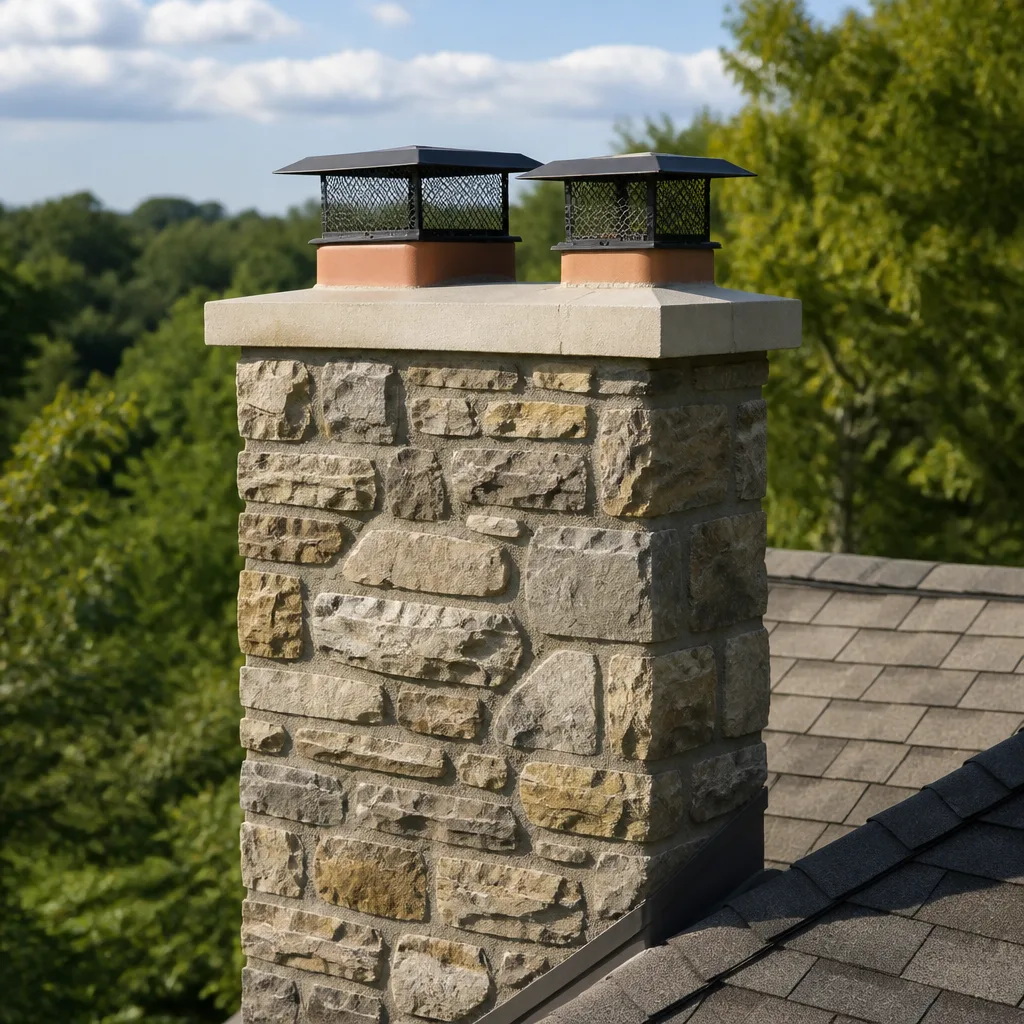 Caps & crowns
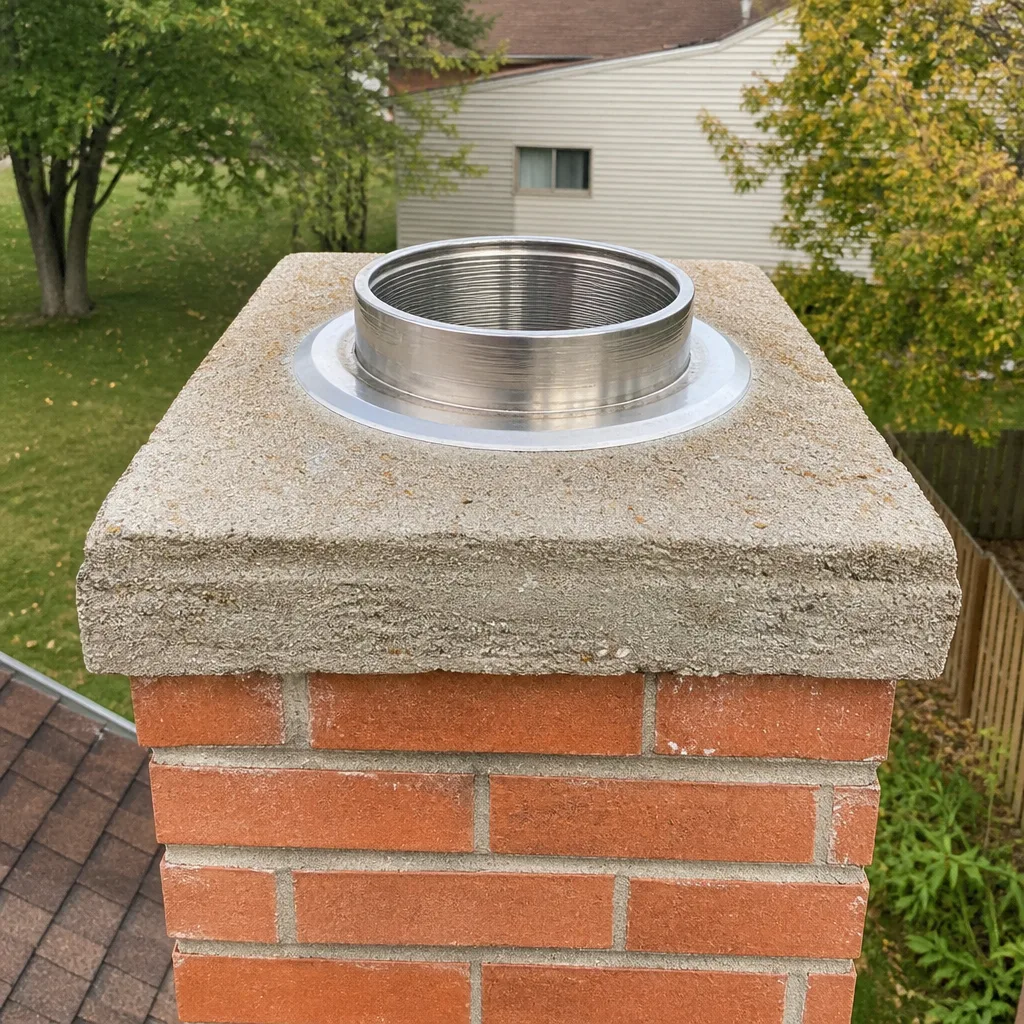 Flue relining
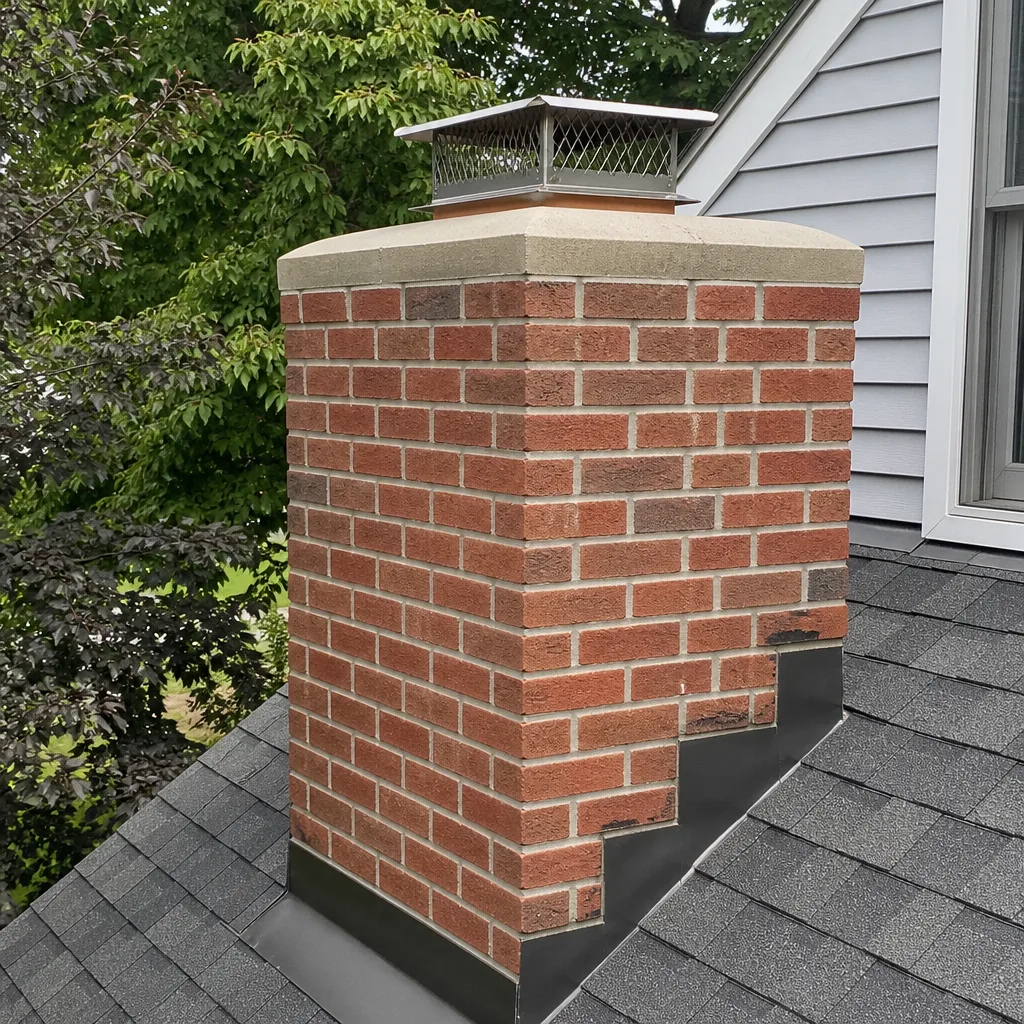 Masonry repair
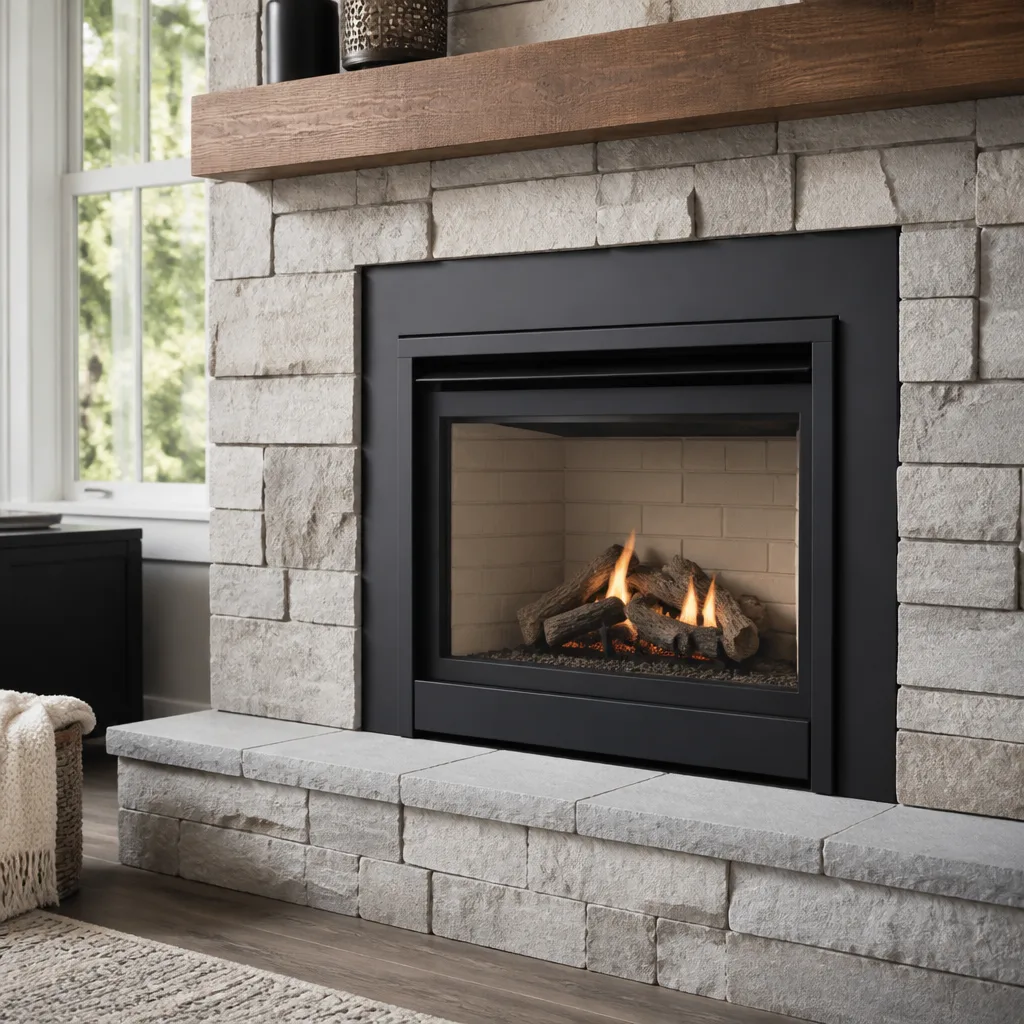 Gas fireplace service
Level 1 sweep and inspection to the NFPA 211 annual standard - flue, crown, cap, and flashing checked and photographed
Chimney sweep logs do not sweep chimneys. They loosen some creosote - which then falls where a brush and vacuum still have to collect it.
The Complete Chimney Sweep Guide for Atwater Village Homeowners
Most chimney sweep guides assume you’re burning cord wood every night from October through March. That’s not how Atwater Village works. Here, a homeowner might light 10 fires a year, mostly between Thanksgiving and Valentine’s Day, and almost never for heat. That low-frequency burn pattern creates a specific kind of creosote problem many generalist guides miss entirely: it looks clean from the outside, but the inside of the flue tells a different story. This guide explains what our Chimney Sweep services actually involve for the homes in this neighborhood, what your inspection should uncover, and why the age and construction style of your Atwater Village house changes the entire equation. You’ll learn what to expect from a sweep, what it should cost, what’s worth fixing now versus later, and the red flags specific to pre-1950 Los Angeles housing stock.
Styles & brands we work with
- Sweep & inspection
- Caps & crowns
- Flue relining
- Masonry repair
- Gas fireplace service
Quick Answer
A chimney sweep in Atwater Village typically costs $180 to $325 for a standard Level 1 cleaning and inspection on a single-flue fireplace, with most homes taking 60 to 90 minutes from setup to final report. Low-frequency burners in this neighborhood often need a sweep every 2 to 3 years rather than annually, because the creosote that forms from occasional fires is less voluminous but more stubborn. If your home was built before 1950, you’re likely dealing with a terracotta clay liner, which requires a different inspection approach than the stainless steel systems common in newer construction and retrofits.
Table of Contents
- How Low-Frequency Burning Creates Invisible Creosote
- What a Level 1 Inspection Actually Finds in Atwater Village
- What a Level 2 Inspection Actually Finds in Atwater Village
- Flue Liner Types in Atwater Village’s Pre-1950 Housing Stock
- How Santa Ana Winds Affect Your Draft
- The Sweep Process, Step by Step
- How Much Does a Chimney Sweep Cost in Atwater Village?
- How Often Should You Sweep Your Chimney?
- Red Flags Specific to Atwater Village Chimney Conditions
- Common Mistakes to Avoid
- When to Call a Professional
- Frequently Asked Questions
How Low-Frequency Burning Creates Invisible Creosote
Let’s start with the counterintuitive part. Homeowners in Atwater Village who burn only 5 to 12 fires a year often assume their chimney doesn’t need attention because it never sees heavy use. In our experience, those are the chimneys that surprise people most.
Creosote forms in stages. Stage 1 is a light, powdery soot film that brushes off relatively easily. Stage 2 is a thicker, flaky glaze that looks like dried coffee grounds and requires mechanical scraping. Stage 3 is a hardened, tarry glaze that often needs chemical treatment or professional removal. What matters for Atwater Village homeowners is this: low-frequency burning tends to produce denser stage 2 creosote, not the loose stage 1 powder you’d expect. Here’s why.
When you burn a fire, the flue heats up and pushes moisture from combustion up and out. In a cold climate, fires get hot because they need to warm the house. The flue liner runs at high temperatures for hours. That heat dries the interior, keeping creosote from adhering in thick layers. But in Atwater Village, fires are ambience, not heating. You light one, enjoy it for an hour or two, and let it burn down. The flue never reaches the sustained temperatures that give you a clean, self-scrubbing burn. What you get instead is a warm, humid chimney interior that condenses creosote onto the liner walls in a gummy layer. It builds slowly, but it builds densely.
The visual problem: that gummy layer can look like a thin gray film. Homeowners shine a flashlight up the flue and think it’s fine. It isn’t. Stage 2 creosote is combustible at a lower temperature than stage 1. A chimney fire doesn’t care how many fires you light per year. It only cares what’s coating the liner when one gets hot enough.
This is where Atwater Village’s housing stock makes the issue more urgent. Homes built in the 1920s and 1930s in this neighborhood often have masonry fireplaces with clay tile liners. Clay tile absorbs heat slowly and cracks more readily than metal when subjected to temperature cycling. Add a layer of dense creosote on top of a clay liner with micro-cracks, and you’ve created a fire path into the surrounding structure that a visual check from the firebox will not reveal. This is why we recommend that Atwater Village homeowners who burn only occasionally still get an inspection every two years, even if the sweep itself can wait. For a deeper look at these risks, see DIY vs Professional Chimney Cleaning: The Atwater Village Homeowner’s Decision Guide.
What a Level 1 Inspection Actually Finds in Atwater Village
A Level 1 inspection is the standard chimney check performed during a routine sweep when the system hasn’t changed since the last service. The Chimney Safety Institute of America defines it as an inspection of the readily accessible portions of the chimney, interior firebox, damper, and cap. In practice, here’s what our technicians actually encounter in Atwater Village homes and what gets documented.
First, the damper. In pre-1960 fireplace installations, the damper is often a simple cast-iron throat damper that rusts or seizes over time. We regularly see dampers that won’t fully close, which lets conditioned air escape into the flue all year. That’s an efficiency issue, not a fire safety one, but it’s one of the most common findings in Level 1 inspections in this neighborhood because homeowners rarely think to test their damper during the off-season.
Second, the smoke chamber. This is the area above the firebox where smoke funnels up toward the flue. In older masonry fireplaces, the smoke chamber walls are often just exposed brick with gaps. Soot and creosote collect in those gaps, and over decades the layer can get thick enough that a chimney fire becomes a genuine risk. A Level 1 inspection includes a visual check of this area from below with a mirror and light, which is enough to identify whether the smoke chamber needs cleaning but not always enough to determine if it needs resurfacing.
Third, the flue liner condition. For a Level 1, we’re looking at what’s visible from the top and bottom. Clay tile liners in Atwater Village’s older homes often show spider-webbing cracks from decades of Southern California’s seismic activity and thermal stress. Small cracks don’t necessarily mean replacement today, but they do mean the liner is deteriorating and should be monitored. We document what we see and, when something looks questionable, recommend a Level 2 inspection with a camera.
In our experience, a Level 1 inspection in Atwater Village typically ends with one of three outcomes: everything’s clear and the homeowner gets the all-clear; the damper needs repair or replacement; or the liner shows early signs of wear that warrant monitoring. The important thing to understand is that a Level 1 is a visual inspection. It is not a warranty. It tells you what’s visible, not what’s hidden behind the masonry.
What a Level 2 Inspection Actually Finds in Atwater Village
A Level 2 inspection is required any time the chimney system changes or the home changes hands, or after a chimney fire, earthquake, or weather event that could have compromised the structure. In practical terms for Atwater Village, the two most common triggers are real estate transactions and post-earthquake checks.
What makes a Level 2 different? We run a camera up the flue. The technician sees the entire interior surface of the liner on a screen, not just what’s visible from the top and bottom. That’s the difference between seeing a crack on the first flue tile from the top and seeing that the crack runs through six consecutive tiles and the mortar joints between them have eroded to nothing.
Here’s what a Level 2 camera inspection commonly reveals in this neighborhood’s housing stock:
- Hidden flue tile gaps: In pre-1950 masonry chimneys, the mortar between clay tile sections erodes over decades. The camera shows gaps that allow heat and combustion gases to reach the brick structure behind the liner.
- Concealed cracks from seismic settling: Atwater Village sits within a few miles of several minor fault lines. Homes from the 1920s and 1930s often have chimneys that shifted slightly during past earthquakes. The camera catches cracks that the top-down visual check misses.
- Nesting debris and animal entry: If the chimney cap is missing or damaged, birds and squirrels find their way in. A camera inspection identifies whether the flue is housing a family of starlings or whether the debris at the bottom is something more concerning.
- Improper liner transitions: We see many Atwater Village homes where a gas log set was installed years ago and the contractor connected it through an unlined or mismatched flue. The camera shows the seam where the old clay tile ends and the new metal liner begins, or where it should begin and doesn’t.
The camera footage matters. When we recommend a liner repair or replacement, we can show the homeowner exactly what we’re seeing. That’s the difference between a professional recommendation with evidence and a sales pitch without documentation. A Level 2 inspection in Atwater Village typically costs more than a Level 1 because of the time and equipment involved, but for any home built before 1960, it is the only way to know what’s actually happening inside the flue.
Flue Liner Types in Atwater Village’s Pre-1950 Housing Stock
Atwater Village’s original housing boom happened between 1920 and 1950. The Craftsman bungalows and Spanish Colonial Revival homes built during that era were nearly all constructed with masonry fireplaces and terracotta clay tile liners. If your Atwater Village home hasn’t had a liner replacement, that’s what you’re working with.
Clay tile liners were the standard for good reason: they’re durable, they handle high temperatures well, and they were relatively inexpensive to install. But they have specific failure modes that every Atwater Village homeowner should understand.
Clay tile cracks. It cracks from thermal stress when a hot fire follows years of disuse. It cracks from seismic movement, and the San Gabriel Valley’s small earthquakes add up over decades. It cracks from moisture intrusion when the chimney cap fails and rain gets in. Once a clay tile develops a crack, combustion gases and heat can reach the brick and mortar behind it, and that path worsens with every fire.
The inspection implication: clay tile requires more careful evaluation than stainless steel because failures can hide below the visible surface. A top-down visual check tells you the first tile’s condition. A camera inspection tells you the condition of every tile. For clay tile chimneys in Atwater Village homes built before 1950, a Level 2 camera inspection should be considered baseline, not optional.
Newer homes and retrofit situations in Atwater Village increasingly use stainless steel liner systems. These are the kind of products we stock and install, including DuraFlex and Copperfield brand liners, which are professional-grade systems rather than hardware-store substitutes. Stainless steel liners have different inspection needs. We’re checking for warping at connection joints, corrosion at the base where rain mixes with ash, and proper sizing relative to the appliance. A stainless liner doesn’t crack like clay, but it can separate or corrode if improperly installed.
There’s also the mixed case: an Atwater Village home built in 1935 with a clay tile flue that was later lined with a metal sleeve. In these situations, the inspection needs to verify that the metal liner is properly connected, that it’s the right diameter for whatever appliance now vents through it, and that the original clay tile isn’t failing behind the metal in a way that compromises the masonry structure. That’s a nuance specific to older neighborhoods where retrofits were common in the 1990s and 2000s.
How Santa Ana Winds Affect Your Draft
Most chimney guides don’t address wind, because most chimney guides are written for climates where calm winter weather is the norm. Atwater Village sits within the influence of Santa Ana wind cycles that sweep through the Los Angeles Basin in the fall and early winter. These winds matter for chimney performance in ways that a sweep should address.
Santa Ana winds are dry, gusty, and unpredictable in direction. They can create a venturi effect at the top of a chimney, where wind passing over the flue opening sucks air out of the chimney rather than letting it rise naturally. A homeowner lights a fire on a windy night and suddenly smoke pours into the living room. The fire isn’t the problem. The draft reversal is.
A proper chimney cap with a wind-guard design helps, but not all caps are built for high-wind conditions. In our experience, Atwater Village homes with simple open-top masonry caps are far more likely to experience draft reversal during Santa Ana events than homes with factory-built caps that manage airflow. When we sweep a chimney in this neighborhood, we check the cap not just for obstruction but for its ability to handle the specific wind patterns that hit the canyon-adjacent streets of Atwater Village.
High-wind seasons also deliver debris. Palm fronds, sycamore leaves, and roof-tile fragments collect at the chimney crown and get blown into flues that lack caps or have caps with damaged screening. After a Santa Ana cycle, we recommend Atwater Village homeowners check their chimney cap visually from the ground. If anything’s displaced or the screen looks torn, call a professional before the next fire. A blocked or partially blocked flue is a carbon monoxide risk, and the blockage doesn’t have to be dramatic to matter.
The other Santa Ana effect is subtler. Wind-driven pressure differences around the home can change how the fireplace draws even when the fire is lit. The chimney that drafts perfectly on a still evening might pull poorly during a Santa Ana night. That’s not a defect. It’s physics. But it should be acknowledged in the inspection, because some draft issues are structural and some are environmental, and the fix for each is different.
The Sweep Process, Step by Step
If you’ve never had a chimney sweep done, the process feels mysterious. It shouldn’t. Here’s what happens, in order, during a typical chimney sweep in Atwater Village with our team.
- Setup and floor protection: The technician lays drop cloths around the fireplace and positions a high-suction vacuum system. The goal is to contain the soot before it enters the room.
- Initial inspection: Before any cleaning begins, the technician checks the firebox, damper, and visible portions of the flue. This establishes the baseline condition and identifies any immediate damage that might require changing the approach.
- Mechanical cleaning: Using rotary brushes sized to the flue’s diameter, the technician scrubs the liner walls from the top down or the bottom up, depending on the chimney’s construction and access. The vacuum runs continuously to capture dislodged creosote and soot.
- Smoke chamber and damper cleaning: The area above the firebox gets hand-brushed. This is where loose debris and stage 2 creosote collect in older masonry fireplaces, and it’s often the dirtiest part of the system.
- Post-sweep inspection: With the flue now clean, the technician performs a final visual check. A clean liner reveals cracks, gaps, and wear that soot was hiding. This is when many liner issues get identified.
- Report and recommendations: The homeowner gets a summary of what was found, what was cleaned, and what the technician recommends. If the recommendation is a repair, we document the specific evidence: a photo, a measurement, a camera capture.
The whole process takes 60 to 90 minutes for a standard single-flue fireplace in Atwater Village. If the chimney hasn’t been swept in years or the technician finds significant buildup, plan for longer. In our experience, the homes that take longest are the ones where the fireplace was used for decades before the current owner moved in and no one ever called a sweep. That’s common in Atwater Village, where many family homes have been passed down or sold to new owners who inherited an undocumented chimney history.
How Much Does a Chimney Sweep Cost in Atwater Village?
Pricing for chimney sweeps in this neighborhood reflects the age and condition of the housing stock as much as the cleaning itself. Here’s what Atwater Village homeowners should expect to pay for standard services.
| Service | Typical Range | What Affects the Price |
|---|---|---|
| Level 1 sweep + inspection (single flue) | $180 – $325 | Access difficulty, creosote density, flue length |
| Level 2 camera inspection | $250 – $450 | Whether combined with a sweep, flue material, roof access |
| Smoke chamber cleaning (add-on) | $75 – $150 | Access, depth of buildup |
| Chimney cap replacement | $150 – $400 installed | Cap size, roof pitch, material |
| Damper repair or replacement | $200 – $600 | Throat damper vs top-mount, part availability |
These are ranges for the Atwater Village market, not national averages. Los Angeles labor rates and the age of the housing stock push prices toward the middle and upper ends of these ranges. A 1935 Craftsman with a 25-foot clay tile flue and a steep roof costs more to sweep than a 1990s tract home with a 15-foot metal flue and easy roof access.
What should you look for in a quote? Specificity. A professional quote lists the flue dimensions, the number of flues, the cleaning method, and what the inspection includes. If a quote is a single line item with no detail, ask for more information before booking. At Pearl Chimney Cleaning home, we quote flat pricing before we arrive, and the number we quote is the number you pay. No surprise add-ons discovered mid-job. For a free estimate in Atwater Village, call (833) 630-4048.
How Often Should You Sweep Your Chimney?
The standard advice from national organizations is to sweep annually if you use your fireplace regularly. That advice makes sense for a home in Minnesota burning a cord of wood each winter. For Atwater Village’s low-frequency burn pattern, the honest answer is more nuanced.
If you light fires only between late November and early March, and you light them once or twice a week during that period, you’re burning roughly 15 to 25 fires a year. That’s light use by national standards, but it’s still enough to deposit creosote. For this pattern, we recommend a sweep every 2 years, with a visual check by the homeowner each fall before the first fire.
If you use a gas log set and rarely burn wood, the creosote concern is different. Gas logs produce almost no creosote, but they do produce acidic condensation that can corrode liner surfaces over time. The chimney should still be inspected, just on a different schedule: every 3 years is reasonable for pure gas use, though a Level 1 check along with the annual furnace or water heater service is even better if you have multiple flues.
Here’s the exception that matters for this neighborhood: if you’ve never owned this home through a full winter, schedule a sweep before your first fire season. An Atwater Village home with 80 years of unknown history needs a baseline. You need to know the liner condition, the damper status, and whether the smoke chamber is a fire hazard before you use the fireplace. After that baseline, you can settle into a maintenance schedule that matches your actual burn rate.
For dryer vent cleaning in Atwater Village, the schedule is separate from the chimney. Dryer vents should be cleaned every 1 to 2 years regardless of how often you do laundry, because lint accumulation is a function of total loads, not seasonal use. We find that many Atwater Village homeowners have never had their dryer vent cleaned, and the lint depths we remove from older laundry rooms are substantial. That’s a related combustion hazard in a different part of the house, and it deserves its own maintenance rhythm.
Red Flags Specific to Atwater Village Chimney Conditions
Every neighborhood has its own pattern of chimney problems. Based on what we see across Atwater Village’s housing stock, these are the conditions that should prompt an immediate call.
- Earthquake mortar cracks in the chimney structure: Atwater Village homes from the pre-1950 era have weathered multiple seismic events. Cracks in the chimney exterior, especially horizontal cracks near the roofline, indicate the masonry has shifted. If left unaddressed, these worsen and can eventually allow the flue to separate from the structure.
- Illegal gas log conversions: Many Atwater Village homes had wood-burning fireplaces converted to gas logs during the 1990s and 2000s. Some of those conversions were done improperly: the gas line was run through the ash dump, the flue was left unlined, or the damper was removed without an appropriate venting solution. If your gas log conversion wasn’t permitted or inspected, the chimney may be venting carbon monoxide into the home.
- Terracotta liner erosion in older homes: The clay tile liners in Atwater Village’s 1920s and 1930s homes are at the end of their functional lifespan. Erosion shows up as flaking clay surfaces, missing mortar joints, and visible gaps between tile sections. This doesn’t mean the chimney fails tomorrow, but it does mean the liner is no longer performing as a fire barrier and a replacement should be evaluated.
- Missing or damaged chimney caps: Given the wind patterns in this area, caps take a beating. A missing cap means water intrusion, which accelerates mortar erosion and liner damage. A cap with damaged screening means animal entry, which brings nesting material into the flue.
- Smoke staining above the fireplace opening: This is a sign the damper isn’t pulling properly or the flue is partially obstructed. In Atwater Village’s older homes, we often trace this to a damper that doesn’t fully open or a smoke chamber that’s so packed with debris it’s choking the draft.
If any of these apply to your home, a chimney repair in Atwater Village may be necessary before you use the fireplace again. The good news is that most of these conditions, caught early, are repairable without a full chimney rebuild. A liner can be resurfaced with a product like HeatShield, which is a cerfractory material that coats the inside of a damaged clay liner and restores its fire-safety function. A new stainless liner from DuraFlex or Famco can replace a clay tile system that’s too far gone. These are repair options, not just replacement options, and they’re a big part of why we stock professional-grade materials rather than whatever’s on the shelf at the home center.
Common Mistakes to Avoid
- Skipping the inspection because the fireplace “works fine”: A fireplace can draft well and still have a deteriorating liner behind the scenes. The fire doesn’t tell you about the crack in the third flue tile. The only way to know is to look.
- Using a handyman to clean the chimney: A chimney sweep is a specialized skill that involves understanding flue geometry, creosote chemistry, and safety inspection protocols. The lowest bid is usually lowest for a reason: no camera, no proper vacuum, no documentation.
- Burning unseasoned wood because it’s free: Atwater Village homeowners occasionally get wood from a neighbor’s felled tree or a free Craigslist listing. Green wood produces far more creosote than properly seasoned hardwood. That single fire with wet wood can deposit more creosote than five fires with dry wood.
- Ignoring the white staining on exterior brick: White powdery stains on the chimney exterior are not cosmetic. They indicate water intrusion and moisture migration, which accelerates mortar deterioration. The fix is usually a crown repair or cap replacement, not paint.
- Not getting a Level 2 inspection before buying a home: In a competitive market like Atwater Village, buyers sometimes waive chimney inspections to strengthen their offer. That’s a calculated risk, but it means inheriting whatever the previous owners ignored for decades. A Level 2 inspection costs a few hundred dollars. A liner replacement costs thousands.
- Assuming a gas log means no chimney maintenance needed: Gas logs produce no creosote, but they still need venting, and the venting needs to be intact. The acidic byproducts of gas combustion are corrosive to liner surfaces over time. Gas log fireplaces need inspection too.
When to Call a Professional
Call a professional before your first fire of the season if you haven’t had the chimney inspected in the last 2 years. Call immediately if you notice smoke entering the room during fires, if there’s a strong odor when the fireplace isn’t in use, if you see water stains on the ceiling near the chimney, or if you find pieces of flue tile in the firebox. Call if you’ve had a chimney fire, even a small one: the liner may have been compromised even if the fire appeared to burn itself out. Call before you buy a home in Atwater Village with a fireplace, and ask for a Level 2 inspection as part of your due diligence. And call if it’s simply been years since anyone looked. Most of the serious chimney problems we find in Atwater Village were developing for a decade before anyone saw them. For more guides & resources, visit our blog. Pearl Chimney Cleaning offers free estimates in Atwater Village, call (833) 630-4048.
Frequently Asked Questions
A standard Level 1 chimney sweep in Atwater Village costs between $180 and $325 for a single-flue fireplace. The price varies based on roof access, flue length, and the density of creosote that needs to be removed. Call (833) 630-4048 for a free exact estimate.
Not always. Small hairline cracks in a clay tile liner can be monitored. But if the camera inspection shows gaps where mortar has eroded between tiles, or if the cracks run through multiple tiles, the liner is no longer performing its fire-barrier function. In those cases, yes, a repair or replacement is the honest recommendation. The distinction comes down to what the camera evidence shows.
Creosote builds up, and creosote is fuel. If it catches fire inside the flue, the chimney fire can reach temperatures that crack the liner and spread to the surrounding structure. The sequence is slow until it isn’t. Atwater Village homes with older clay tile liners are especially vulnerable because the liner is already aging and has less tolerance for a high-heat event.
Sixty to 90 minutes for a standard single-flue fireplace. If the home has multiple flues, if the creosote is dense, or if a camera inspection is being performed in the same visit, the appointment may run 2 hours or more.
We don’t recommend it. A proper sweep requires the right brushes sized to your flue, a high-suction vacuum system to contain the soot, and an understanding of how to evaluate what the cleaning reveals. Most importantly, the inspection after the sweep is where the real value lies, and that requires a trained eye and the right equipment. A homeowner with a hardware-store brush typically cleans the easy-to-reach upper liner and misses the smoke chamber and lower flue where the densest buildup lives.
Some homeowners like to bundle services, and we support that. Dryer vents have their own maintenance cycle and their own urgency: lint accumulation is one of the leading household fire hazards, and it builds regardless of fireplace use. Dryer vent cleaning in Atwater Village can be scheduled alongside a chimney sweep, which is efficient for the homeowner and lets us evaluate both combustion-adjacent systems in a single visit.
The Bottom Line
Atwater Village homeowners inherit specific chimney conditions that generic guides don’t address: pre-1950 clay tile liners, low-frequency burn patterns that create dense creosote, Santa Ana wind cycles that mess with draft, and decades of undocumented retrofits on homes that have changed hands multiple times. The right sweep for this neighborhood starts with understanding what kind of fireplace and flue you actually have, then schedules an inspection that matches the system’s age and materials, not a one-size-fits-all annual calendar. The biggest mistake is assuming a fireplace that gets used ten times a year doesn’t need professional attention. It does, because the problems that matter most in Atwater Village develop slowly and silently. Get the baseline inspection. Know your liner. Then burn with confidence.
Written by the team at Pearl Chimney Cleaning, serving Atwater Village since 2013.
See the difference
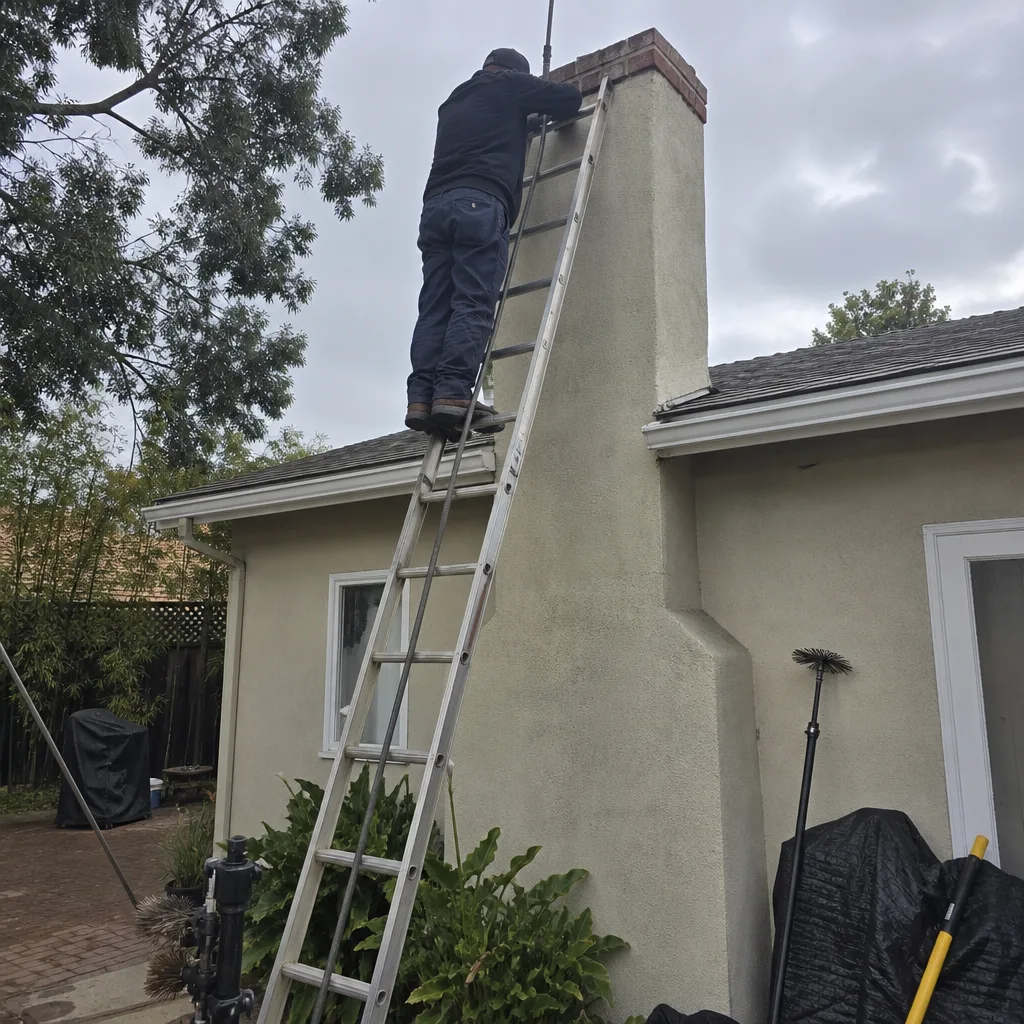 Before
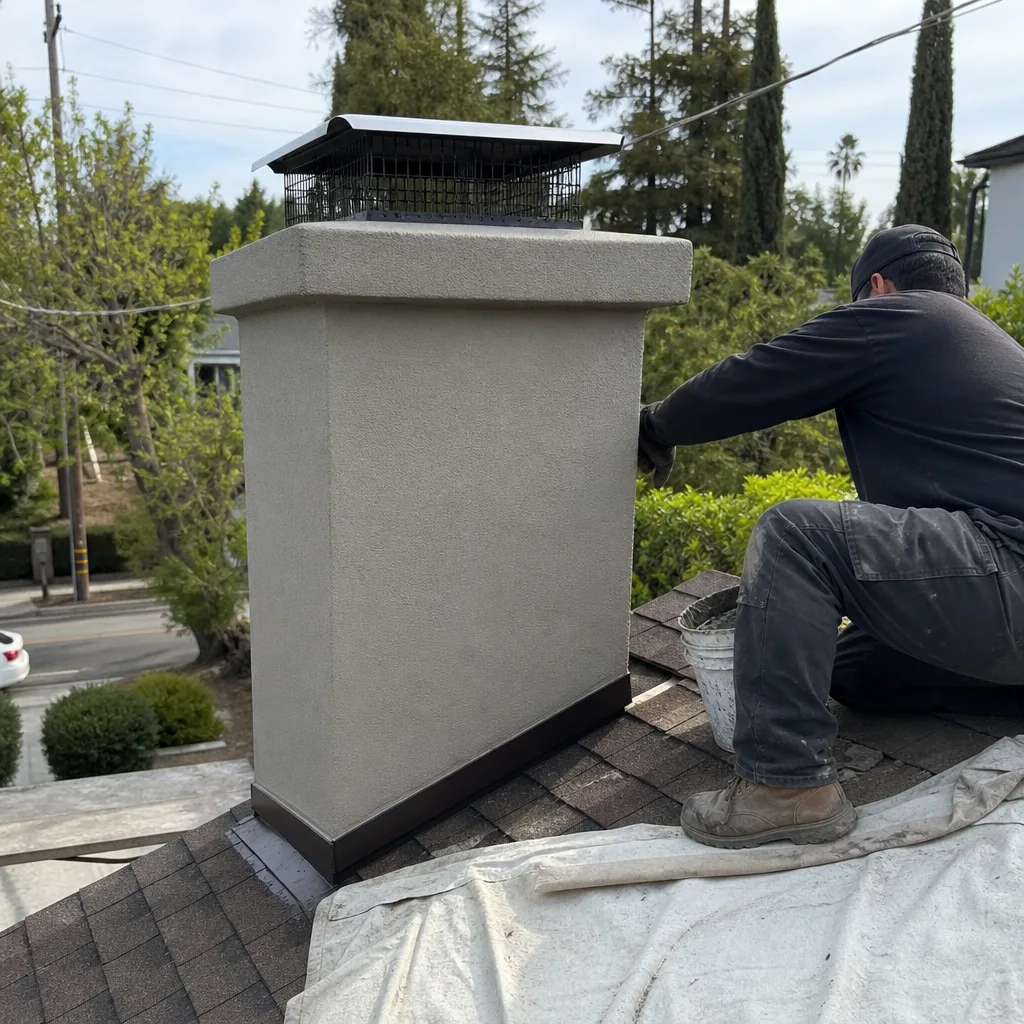 After
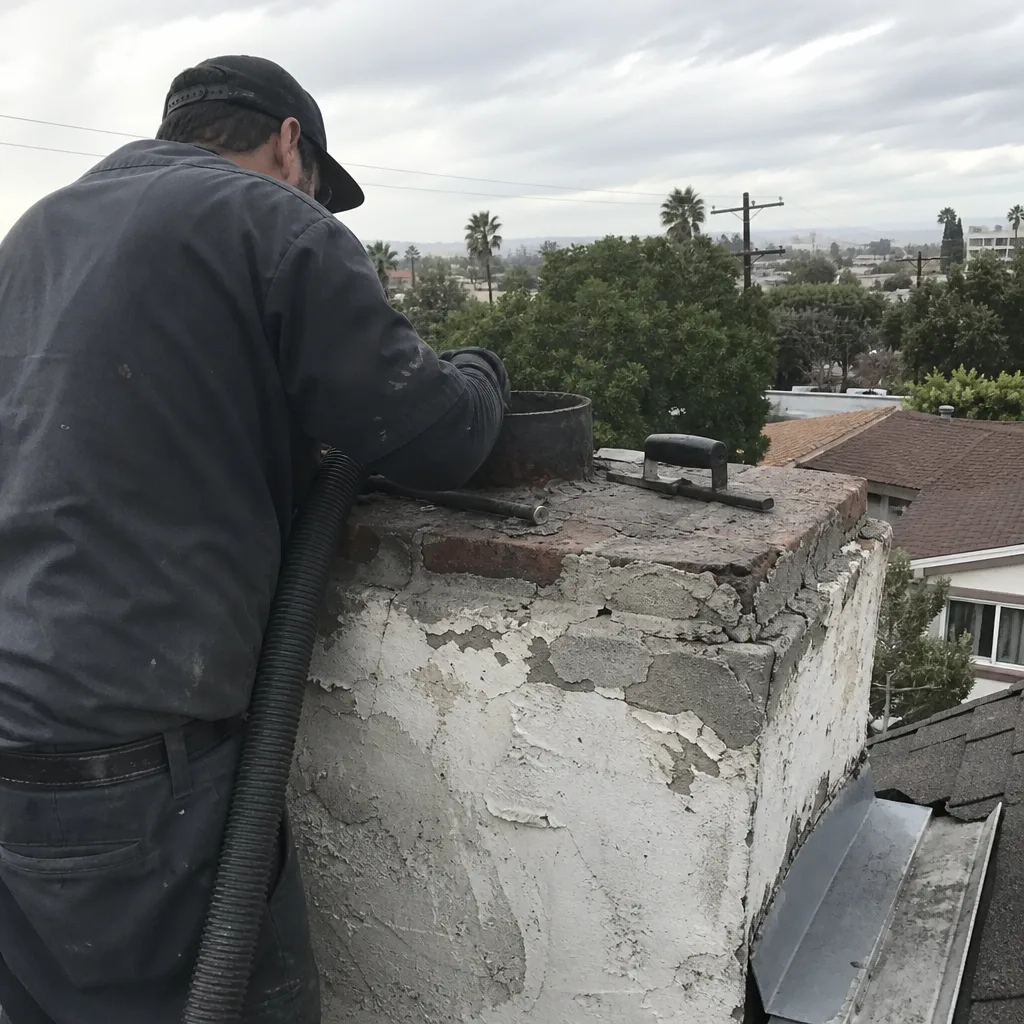 Before
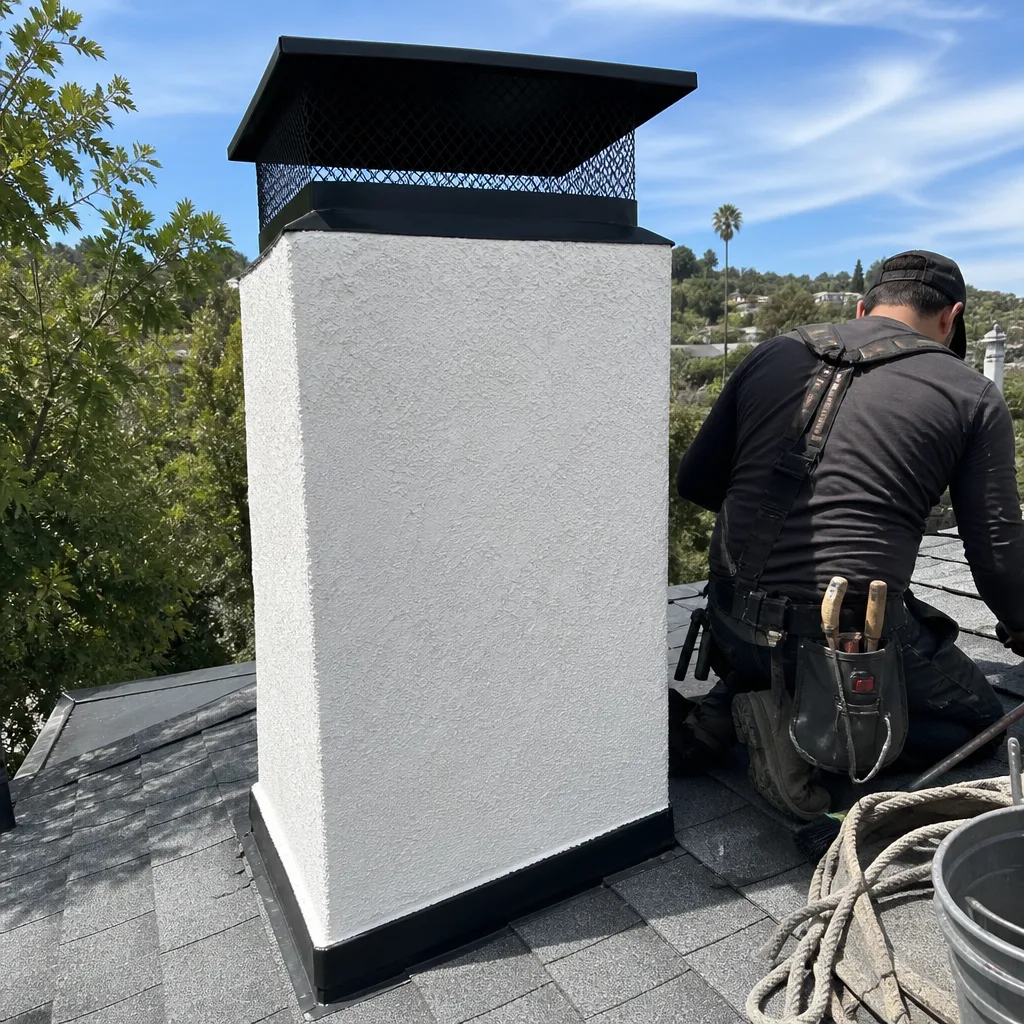 After
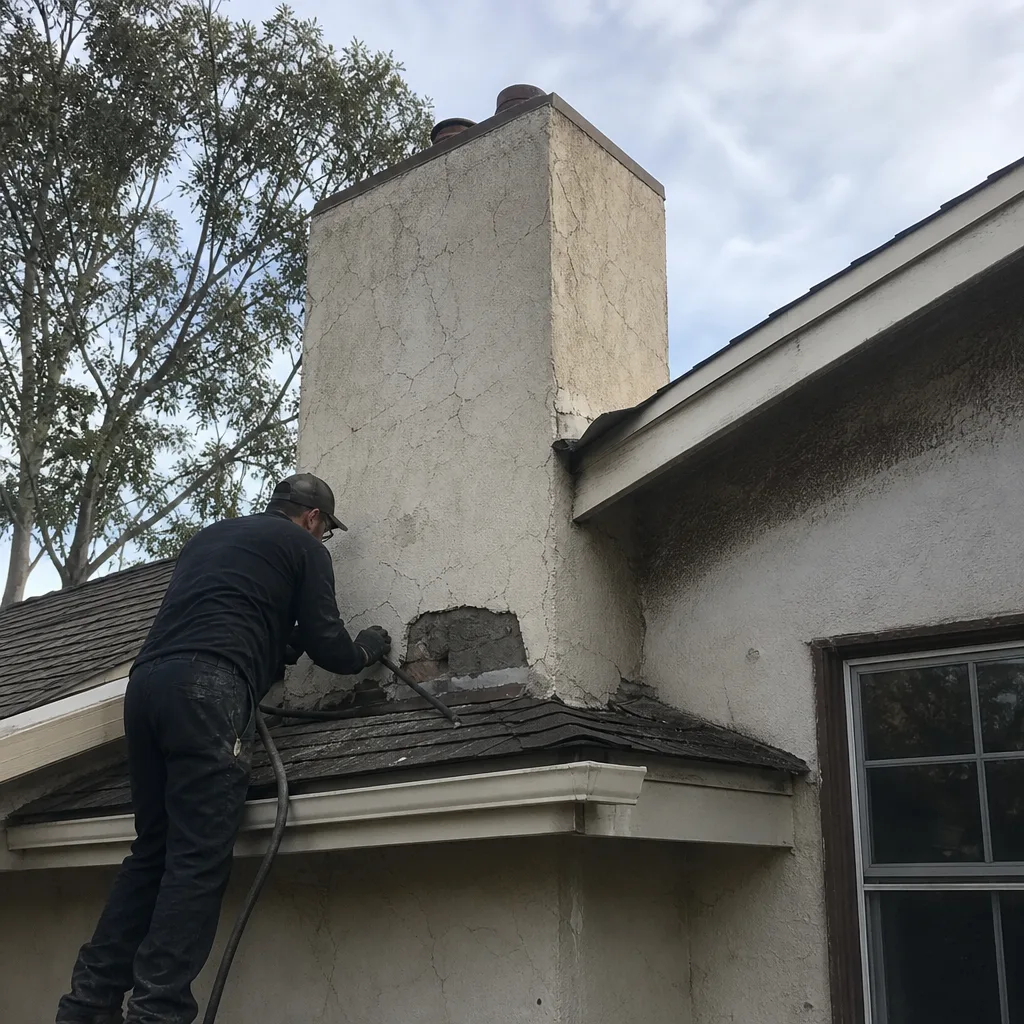 Before
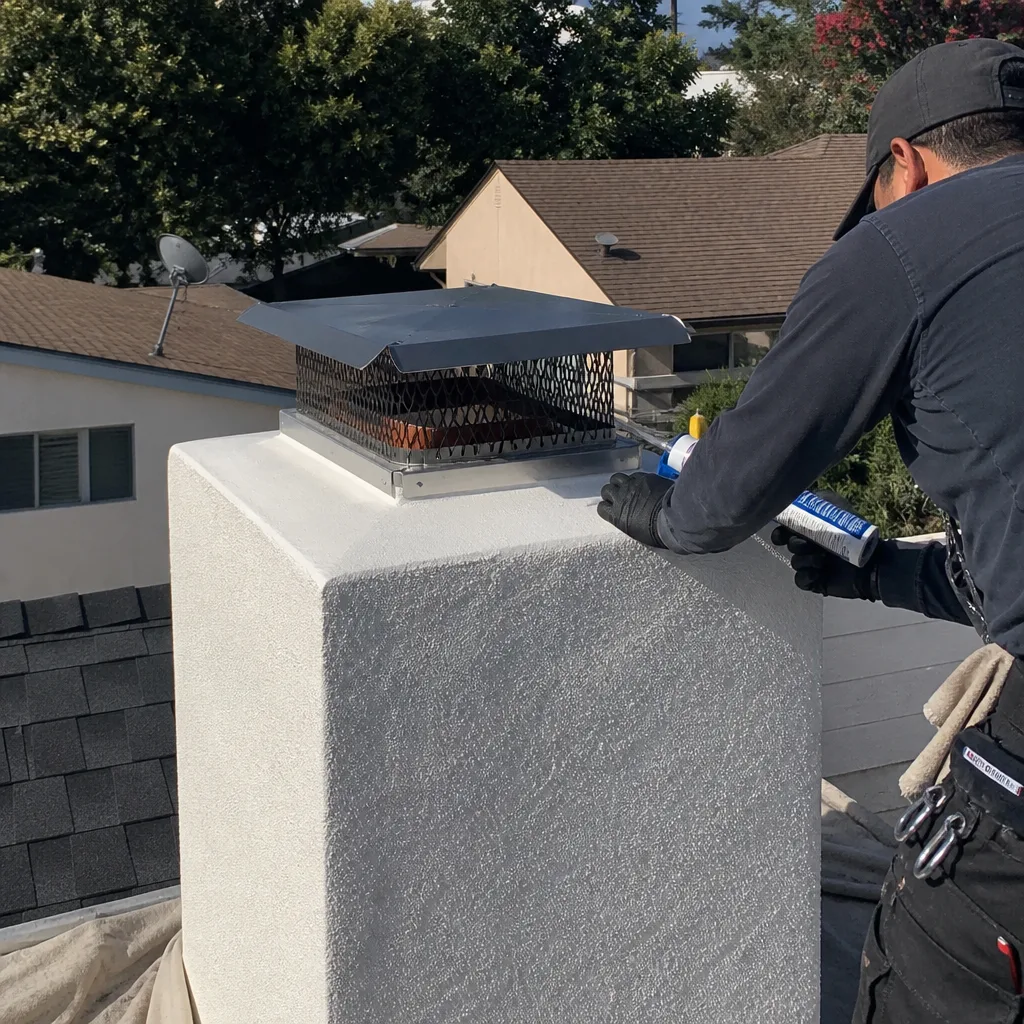 After