Last updated November 2, 2026
 Sweep & inspection
 Caps & crowns
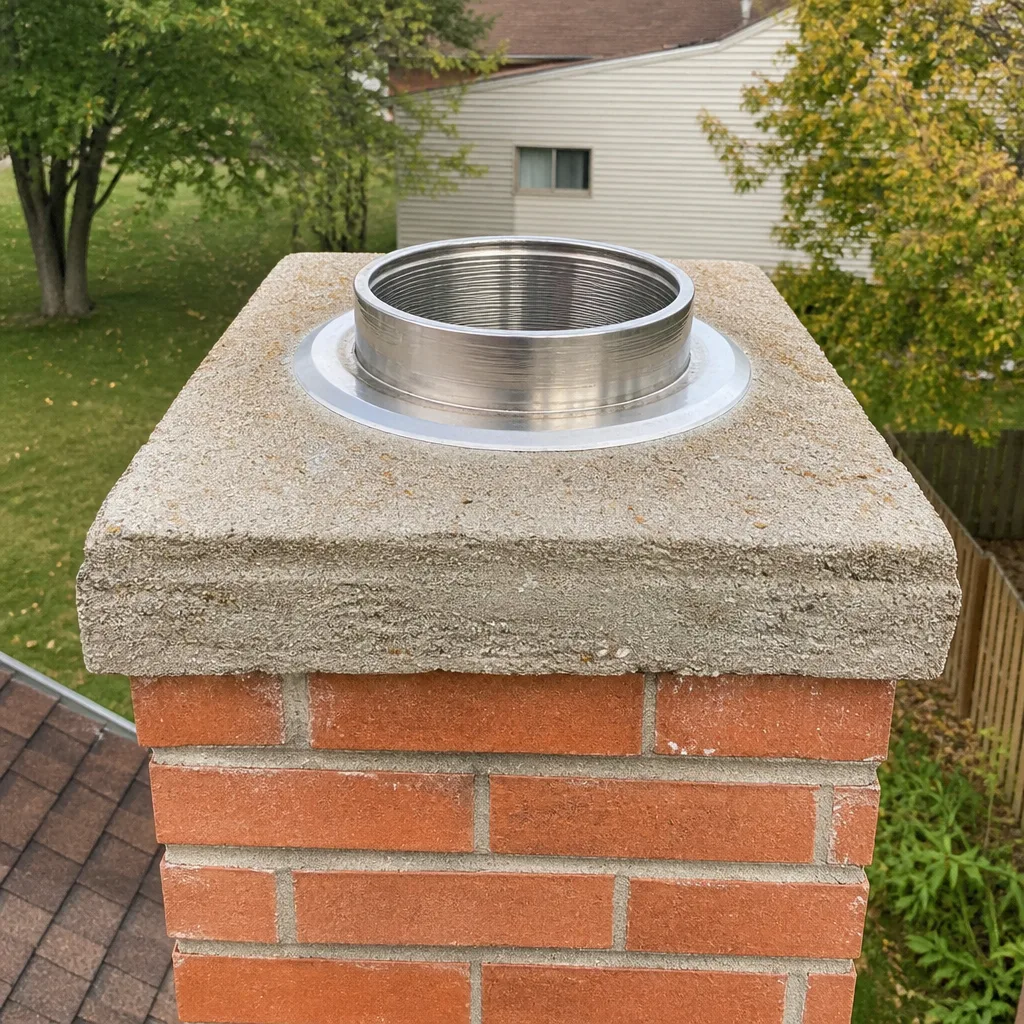 Flue relining
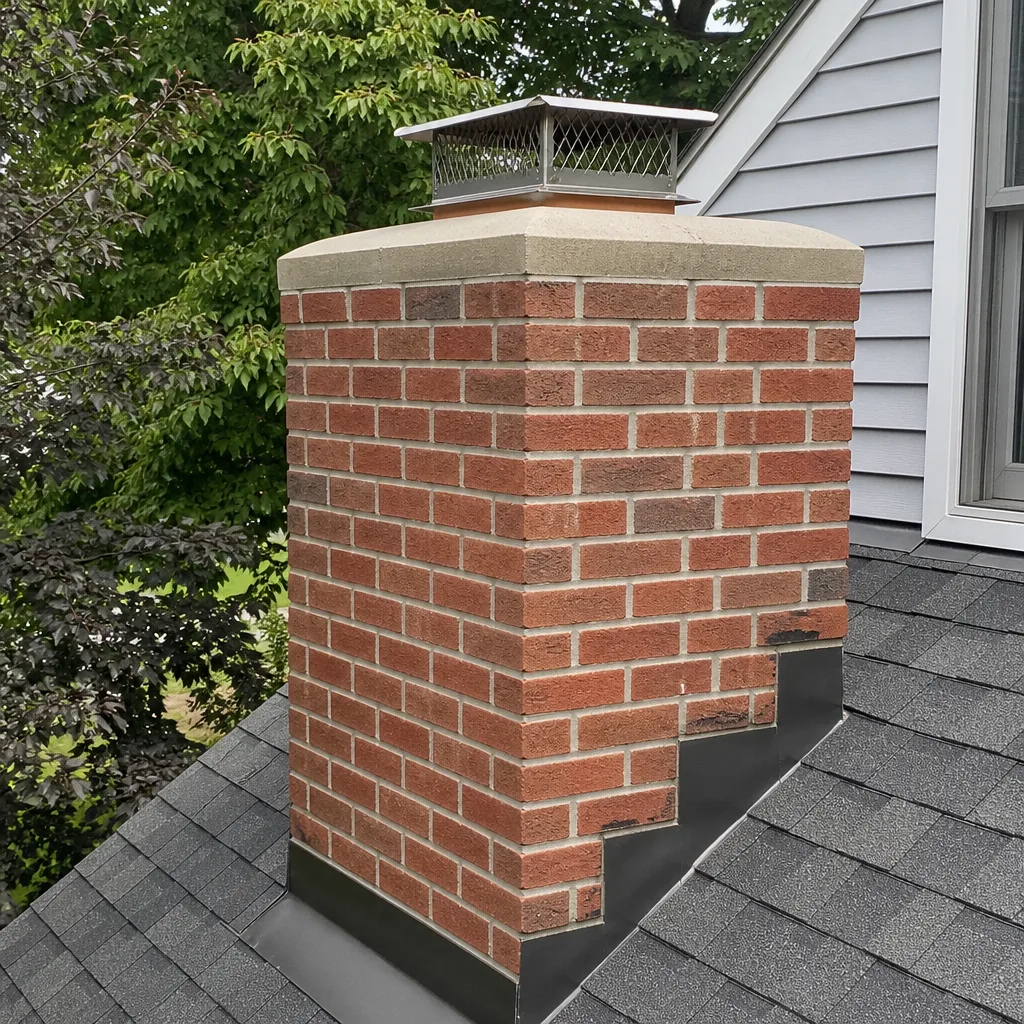 Masonry repair
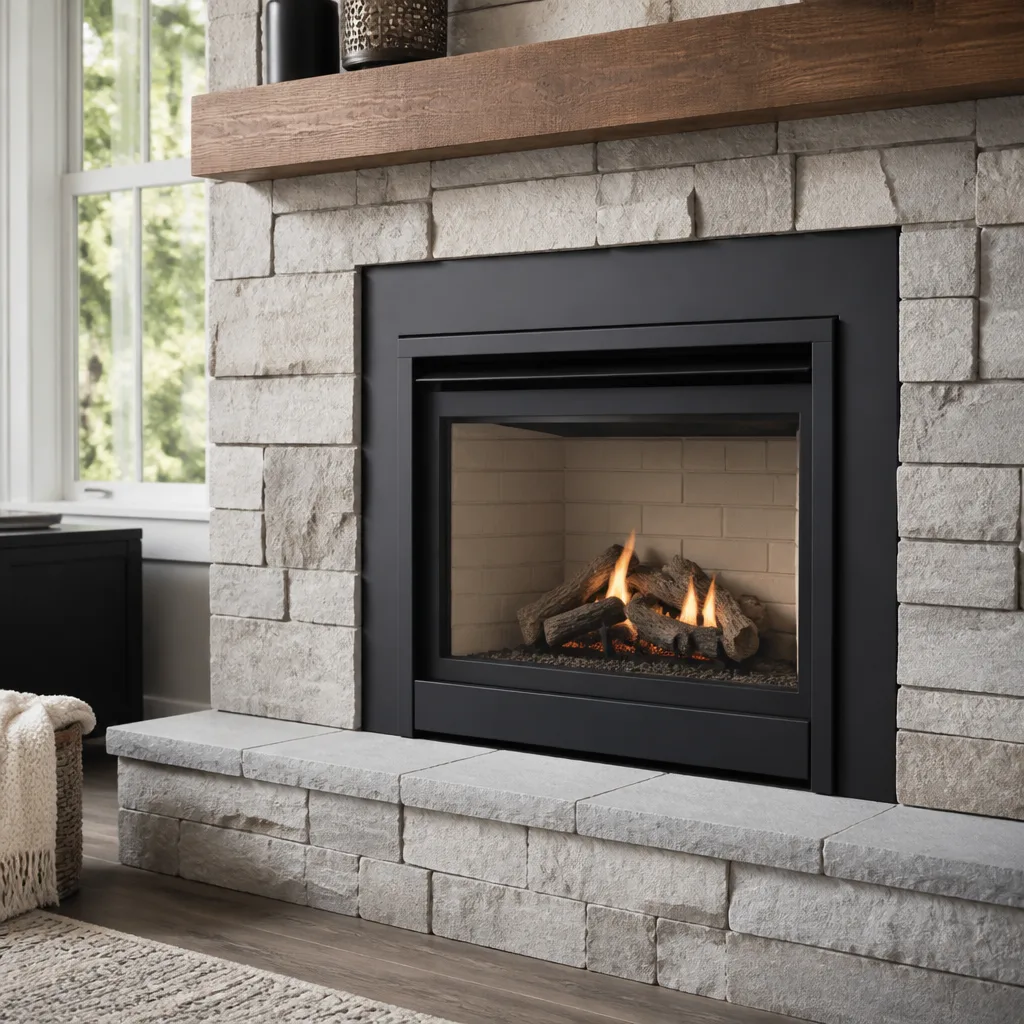 Gas fireplace service
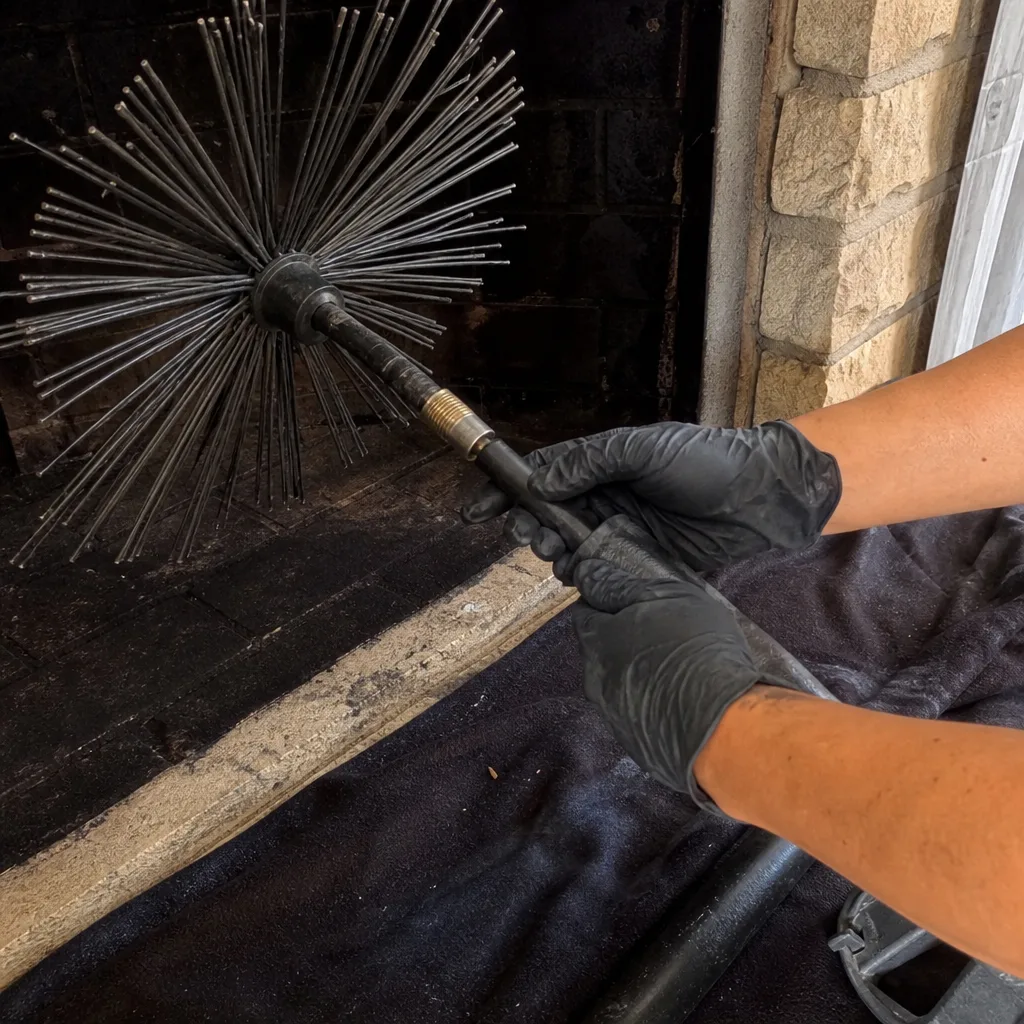
Level 1 sweep and inspection to the NFPA 211 annual standard - flue, crown, cap, and flashing checked and photographed
Chimney sweep logs do not sweep chimneys. They loosen some creosote - which then falls where a brush and vacuum still have to collect it.
How to Hire a Chimney Cleaning Contractor in Atwater Village: A Step-by-Step Guide
Here’s a number most Atwater Village homeowners don’t expect: fewer than 1 in 8 chimney services advertising in the greater Los Angeles area carry the baseline credential for this trade. A search for “chimney cleaning Los Angeles” returns pages of handymen, roofers, and pressure-washing companies that list chimney sweeping as a side gig. None of them are wrong to offer the service, but they’re not specialists, and when your flue liner is cracked or your damper is warped, the difference matters. This guide walks you through exactly how to filter that list down to a contractor who actually knows chimneys, with the questions to ask, the credentials to verify, and the red flags that show up long before anyone sets foot in your living room. For more guides & resources, explore our blog.
Styles & brands we work with
- Sweep & inspection
- Caps & crowns
- Flue relining
- Masonry repair
- Gas fireplace service
Quick Answer
Hiring a chimney cleaning contractor in Atwater Village starts with verifying CSIA certification (not just a general contractor license), then asking five specific questions about who does the work, what they inspect, and how they document findings. A legitimate chimney specialist will quote line-item pricing for sweep, inspection, and any recommended repairs, provide photo documentation, and be able to name the materials they’d use if work is needed. In Atwater Village, where many homes date to the 1920s and 1930s and chimney fires are a real risk in older masonry flues, hiring a credential-verified specialist rather than the cheapest listing is the single highest-leverage decision you’ll make.
Table of Contents
- Step 1: Verify Credentials Before You Call
- Step 2: Five Phone Questions That Reveal Whether They Subcontract
- Step 3: How to Evaluate a Chimney Cleaning Quote
- Step 4: Why Material Knowledge Separates Specialists from Generalists
- Step 5: What a Legitimate Post-Service Report Looks Like
- Step 6: Atwater Village-Specific Considerations for Older Homes
- Common Mistakes to Avoid
- When to Call a Professional
- Frequently Asked Questions
- The Bottom Line
Step 1: Verify Credentials Before You Call
Before you dial a single number, understand what credentials actually mean in this trade, because they’re not interchangeable. The credential you want to hear first is CSIA Certified Chimney Sweep. The Chimney Safety Institute of America administers a rigorous exam covering fire codes, clearance requirements, liner systems, and inspection protocols. Certification requires continuing education credits to maintain, which means a CSIA-certified sweep has kept up with changes in the field. It’s the single most meaningful differentiator between a chimney specialist and a general contractor who bought a rotary brush set.
NFI certification (National Fireplace Institute) is a separate credential focused on hearth appliance installation: gas fireplaces, wood stoves, inserts. It doesn’t replace CSIA certification but complements it. If you have a gas fireplace, an NFI-certified technician is who you want evaluating the appliance itself.
A California general contractor license is a legal requirement for work above a certain dollar threshold, but it tells you almost nothing about chimney expertise. Plenty of licensed GCs have never inspected a flue liner under magnification. Use the license to confirm legitimacy; use CSIA to confirm specialization.
Here’s what to verify, in order:
- CSIA certification number. Ask for it. A legitimate sweep recites it immediately; someone hesitating or explaining why certification “doesn’t matter” is your cue to move on.
- Insurance coverage. Ask specifically about liability insurance in the range of $500,000 minimum, plus workers’ compensation if they employ a crew. Uninsured workers on your roof are your liability.
- Business history. A contractor working in Atwater Village for five years has a reputation at stake with every job. A brand-new listing might be fine, but you want evidence of continuity.
- Physical presence. A P.O. box and a Google Voice number are not a dealbreaker, but a local Atwater Village address or documented history of work in the 90039 zip code is a safer bet.
In our experience working in Atwater Village and surrounding neighborhoods like Silver Lake and Los Feliz, we’ve found that homeowners who ask for the CSIA number upfront eliminate 80% of bad options before a single quote is given. It’s the fastest filter in the industry. Learn more about what a proper sweep entails on our Chimney Sweep in Atwater Village page.
Step 2: Five Phone Questions That Reveal Whether They Subcontract
The single biggest structural difference between a real chimney company and a marketing front is whether the person you call is the person who does the work. In the Los Angeles market specifically, there’s a cottage industry of lead-generation operations that collect calls for “chimney cleaning near me” and sell them to whomever is available that week, handyman or house painter included. Five questions, asked calmly and conversationally, expose this immediately.
Question 1: “Who will be coming to my home, and are they your employee or a subcontractor?”
The answer you want is some version of: “It’ll be me” or “I have two full-time technicians, and you’ll get either Mike or Daniel.” The answer that ends the conversation is: “We partner with local professionals in your area.” That’s lead-selling, not chimney service. Subcontracting in this trade means you’re getting someone whose loyalty is to the dispatcher, not to your flue.
Question 2: “What does your inspection cover beyond the visual?”
A real chimney sweep will describe a process: checking the flue with a camera or high-powered light, examining the crown, damper, firebox, smoke chamber, and cap, and checking clearances to combustibles. A generic operator will say “we clean it and make sure it’s safe,” which tells you nothing. The words “camera inspection” are a good sign, though not all situations require one. What matters is that they can describe what they’re looking for.
Question 3: “Can you walk me through what a typical sweep involves at a home like mine?”
This is where you listen for process detail. A specialist in Atwater Village will ask what kind of fireplace you have (masonry, prefab, insert), when it was last cleaned, and whether you’ve noticed any drafting issues. A generalist will say “we come out, run a brush through, clean up, and you’re good.” The brush is maybe 30% of the job; the rest is inspection, clearance verification, and the report.
Question 4: “If you find something wrong, like a cracked liner or damaged crown, do you fix it yourself?”
This is the question that makes lead-generators uncomfortable, because the honest answer is “no.” A full-service chimney company does its own repairs. We stock materials like HeatShield and DuraFlex because when we find a liner issue during a sweep, we can resolve it before we leave, with photos and a warranty. If the answer is “we’d recommend someone for that,” you’re hiring a cleaning service, not a chimney specialist. That’s not necessarily wrong, but know what you’re buying. Our Chimney Repair in Atwater Village page covers what in-house repair capability means in practice.
Question 5: “What should I do to prepare? And what can I expect afterward in terms of documentation?”
A real contractor gives a clear answer: move furniture away from the hearth, clear the mantel, expect 45-90 minutes, and you’ll get a written report with findings and photos. A vague answer (“we’ll just need access to the fireplace”) suggests a company that shows up, brushes the flue, and leaves. The report matters more than most homeowners realize, because it’s the continuity document for the next decade of fireplace ownership.
Step 3: How to Evaluate a Chimney Cleaning Quote
A chimney cleaning quote is a document that tells you as much about the contractor as it does about the price. Read it like a trained inspector. A legitimate quote in the Atwater Village and greater LA market for a standard masonry fireplace will typically land in these ranges; see our Chimney Cleaning Cost Breakdown: The Atwater Village Homeowner’s Reference for 2026 for deeper context.
- Basic sweep (Level 1): $180-$280. Includes brush cleaning, basic visual inspection, and standard documentation.
- Sweep with camera inspection (Level 2): $300-$550. Adds a full flue video inspection, appropriate when buying a home, after a chimney fire, or if the fireplace hasn’t been used in years.
- Dryer vent cleaning: $120-$220. The same air-quality and fire-safety logic applies to the laundry exhaust; homes in Atwater Village with long vertical vent runs often need this more frequently than the national average.
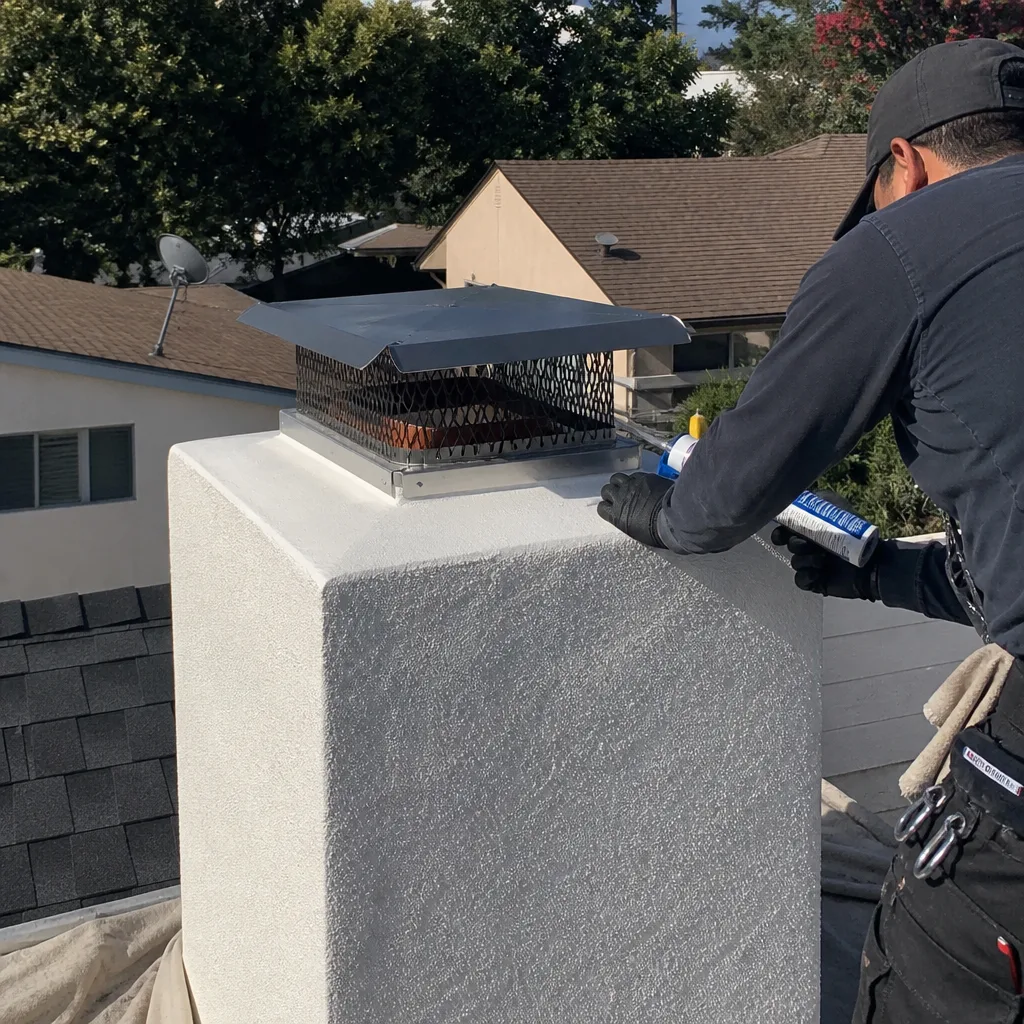
- Basic cap or screen replacement: $80-$250 depending on material and access difficulty.
- Crown repair: $400-$1,200 depending on the extent of deterioration and the crown’s structural condition.
- Liner resurfacing (HeatShield): $2,500-$4,500 for a typical single-flue masonry chimney.
- Full liner replacement (DuraFlex or similar): $3,500-$7,000 depending on flue dimensions and access.
Those numbers are honest ranges for this market. What matters more than the specific line items, though, is that the quote has line items at all. A flat “chimney cleaning: $450” with no breakdown and a verbal mention that “we’ll see what else it might need” is a prelude to a pressurized upsell. A legitimate quote separates inspection from cleaning from repair, and every repair recommendation references a specific finding.
Vague language to watch for: “flue conditioning,” “system restoration,” “preventive sealing” without a photographed problem, or “recommended for safety” without a visible defect. Specific language that signals integrity: “cracked flue tile at 14 feet, documented in camera photos, three options: monitor, resurface with HeatShield, or full DuraFlex liner replacement.” That’s a contractor giving you data, not pressure.
We’ve written extensively about what different surfaces and materials mean for longevity on the Pearl Chimney Cleaning home page. The short version: a quote that reads like a menu of actual parts and labor is a quote from someone who does this work daily.
Step 4: Why Material Knowledge Separates Specialists from Generalists
Ask a handyman what liner system they’d use if they found your clay tiles cracked, and watch the pause. Ask a chimney specialist, and you get an answer anchored in brand names and materials science. This is where you separate the 1-in-8 from the rest.
Contractors who stock and install specific liner and repair systems are signaling something deeper than brand preference. HeatShield is a ceramic-resurfacing system that restores damaged flue tiles by applying a refractory coating through a specialized spray or pump process. It takes training and certification to install properly. A contractor who offers it has made a capital investment in the trade. DuraFlex is a flexible stainless steel liner system manufactured by a company with decades of history in the chimney industry. Copperfield and Olympia Chimney are similarly established names, known for chimney caps, dampers, and accessories that carry real warranties and CSA or UL listings.
The alternative is what we call the “source as needed” contractor: they’ll buy whatever liner material the local supply house has that week, no warranty continuity, no manufacturer support, no accountability. If that liner fails in three years, you’re chasing a guy who got a deal on Chinese stainless steel and has no relationship with a manufacturer to honor a claim.
When a contractor names the brand they’d install, two things have happened. One: they’ve done this before, enough to have a preference. Two: they’re accountable to a manufacturer’s warranty, which means someone besides you is on the hook if the material fails. That’s a real structural difference.
On the repair and inspection side, a full-service provider’s ability to diagnose and fix what they find, on the spot, with documented materials, is what separates a sweep from a specialist. We go deeper on this on our Chimney Repair in Atwater Village service page.
Step 5: What a Legitimate Post-Service Report Looks Like
The report you receive after a chimney cleaning is not a receipt. It’s a medical chart for your flue. A legitimate report from an Atwater Village chimney sweep should include, at minimum, these elements:
- Date and technician name. You should know exactly who was in your home and when.
- System type documentation. Masonry fireplace, prefab fireplace, freestanding stove, or insert, with fuel type noted.
- Findings with specificity. Not “some creosote present” but “glazed creosote in upper third of flue, moderate; removal recommended before burning season.” Adjectives without quantities are marketing, not inspection.
- Photos. Ideally three to five images: flue condition before, after, and any areas of concern. A contractor with a camera and a willingness to share images has nothing to hide.
- Condition rating for each component. Crown, cap, damper, firebox, smoke chamber, flue liner, exterior masonry. A checkbox or simple rating system works, but every component should be addressed.
- Clear recommendations. What needs attention now, what can wait, what to monitor. “Monitor crown surface cracks; not urgently structural, recheck in 12-18 months” is a phrase that builds trust.
- Next service recommendation. Based on usage and buildup, when should you call again.
This report is the foundation of contractor continuity. When you call a different chimney company three years from now, you can hand them a document that shows the history of the flue. Without it, every new contractor starts from zero, and you’ll pay for the same diagnostic work twice. We’ve seen Atwater Village homeowners bring in reports from previous contractors that spanned a decade of careful maintenance, and the efficiency gains in subsequent visits are meaningful. A good report is the difference between a flue that gets appropriately treated over time and one that gets either over-serviced or neglected.
Step 6: Atwater Village-Specific Considerations for Older Homes
Atwater Village is not a new suburb. The housing stock along streets like Glendale Boulevard and Brunswick Avenue, and in the neighborhoods west of the LA River toward the 5, is dominated by homes built between 1915 and 1945. That means masonry chimneys, clay flue tile, and mortar that has been through nearly a century of Southern California’s temperature swings and, more recently, some genuinely weird weather. A chimney sweep working in this neighborhood needs to understand old construction. A generalist who mostly services tract homes built in 1990 will miss things. Our Seasonal Chimney Cleaning Care for Atwater Village: Year-Round Homeowner’s Guide covers additional maintenance timing for these older systems.
Three considerations specific to Atwater Village:
- Clay flue tile degradation. Older masonry chimneys in this area were built with terra cotta flue liners. After 70-100 years of thermal cycling, especially in fireplaces used seasonally with long dormant stretches, those tiles crack. The cracks are almost never visible from the firebox. Only a camera inspection or a Level 2 evaluation catches them early enough to avoid a chimney fire or carbon monoxide infiltration.
- Unlined or partially lined chimneys. Some Atwater Village homes have chimneys that pre-date modern lining standards. If your fireplace was original to a 1920s California bungalow and never upgraded, the flue may be raw masonry with no liner at all. Burning in an unlined flue is a documented fire hazard, and no reputable chimney contractor will sweep it without flagging the condition.
- Earthquake movement. Even minor seismic events, the kind Southern California experiences a few times a year, shift masonry over time. Crown cracks and mortar joint separation are accelerated in this region compared to areas without seismic activity. A sweep that includes crown and exterior masonry assessment is worth more in Atwater Village than it would be in Phoenix or Dallas.
The practical takeaway: if you own a pre-1950 home in Atwater Village and you’ve never had the flue camera-inspected, you’re behind on a safety-relevant maintenance item. A standard sweep may not be enough. Ask for a Level 2 inspection, which includes the camera run, at least once to establish a baseline.
A Note on Dryer Vents, Because They’re Part of the Same System
This guide is about chimneys, but a moment on dryer vents is warranted because most Atwater Village homes route the dryer exhaust through a vertical wall run that was installed decades ago and has never been cleaned. For emergency planning, see our Chimney Cleaning Emergency Preparedness Guide for Atwater Village Homes. Lint accumulation in dryer vents is one of the most common household fire hazards in the country, and the risk compounds in older homes where vent runs are longer and the materials may be smooth metal, ribbed foil, or even the original 1970s plastic.
A specialist who handles both chimney and dryer vent systems is thinking about combustion safety holistically. The same inspection mindset, camera-in-the-vent, photo-documented approach applies to both. If you’re having your chimney swept anyway, adding a dryer vent cleaning to the same visit is a low-friction way to close a second safety gap. Our Dryer Vent Cleaning in Atwater Village page covers what that inspection includes.
Common Mistakes to Avoid
- Hiring without verifying CSIA certification. The credential proves the technician passed a knowledge exam and maintains continuing education. Without it, you’re trusting a self-taught claim.
- Accepting a quote with no line items. A single “cleaning and safety check” number with no breakdown tells you nothing about what you’re paying for and sets up the “we found something” upsell.
- Confusing a general contractor license with chimney expertise. A California GC license is a legal requirement over certain dollar thresholds, not a measure of flue knowledge. The two are different filters.
- Skipping the camera inspection on an older home. If your Atwater Village home was built before 1950 and the flue has never been video-inspected, you have an unknown safety condition. Guessing is not a strategy.
- Being swayed by “we’ll see what it needs.” That’s code for “the price will change once we’re in your living room.” Legitimate contractors set expectations before they arrive.
- Not asking about dryer vent cleaning. Most chimney fires happen in the flue; most laundry-related fires happen in the vent. A combined service addresses both combustion pathways in one visit.
- Ignoring the report. A thorough post-service report is a baseline document. Without it, every future visit starts from zero.
When to Call a Professional
If you’ve moved into an older Atwater Village home and have never had the chimney inspected, call before you burn. If you smell smoke in the house after a fire, notice soot falling into the firebox, see cracks in the crown or spalling brick on the exterior, or haven’t used the fireplace in several years, those are all conditions that warrant a professional evaluation before use. Likewise, if your dryer takes two cycles to dry a load or the laundry room gets inexplicably hot or humid during a cycle, the vent is obstructed. Pearl Chimney Cleaning offers free estimates in Atwater Village and the surrounding area. Call (833) 630-4048 to schedule a sweep, inspection, or dryer vent cleaning.
Frequently Asked Questions
A standard chimney sweep in Atwater Village runs $180-$280 for a masonry fireplace with a basic visual inspection, while a sweep with a Level 2 camera inspection runs $300-$550. Prices vary based on flue height, access difficulty, and the condition of the system. Call (833) 630-4048 for a quote specific to your home.
The National Fire Protection Association recommends having your chimney inspected at least once a year and cleaned when creosote buildup reaches 1/8 inch or more. In practice, most Atwater Village homeowners with seasonal wood-burning use need a sweep every one to two years, while gas fireplace owners can often go longer between cleanings.
Look for CSIA (Chimney Safety Institute of America) certification as the baseline. This certification requires passing a comprehensive exam and maintaining continuing education credits. For gas appliance work, NFI certification is relevant. A California contractor license confirms legitimacy but does not verify chimney expertise.
Yes, at least once as a baseline, especially if your Atwater Village home was built before 1950. A camera inspection is the only way to document the condition of the flue lining internally, which is where the most dangerous defects hide. If you’re buying a home, selling a home, or have never had one done, a Level 2 inspection with camera run is the right call.
A homeowner can visually inspect the firebox and exterior masonry, but a proper sweep involves specialized brushes, vacuum equipment, and the knowledge to identify flue defects that a flashlight can’t reveal. More importantly, chimneys present real hazards including falls from roof access, exposure to creosote and soot, and the structural risk of an unlined or cracked flue. This is one maintenance task worth hiring a professional for, especially on Atwater Village homes with steep roof pitches or old terra cotta crowns.
A sweep is the physical removal of creosote and soot from the flue; an inspection is the evaluation of the system’s condition, clearances, and components. The two should happen together, but the inspection is where problems are found. A reputable contractor does both in a single visit and documents the findings in writing.
Hiring a chimney contractor in Atwater Village isn’t about finding the cheapest name on a search results page. It’s about filtering for the one-in-eight who hold CSIA certification, can discuss liner materials by brand name, and provide photo-documented reports you can use to make decisions. Ask for the certification number on the first call. Ask who will actually show up. Read the quote like a contract, not a formality. And if your home has a pre-1950 masonry chimney that’s never been camera-inspected, make that your first call. A flue you can’t see is a safety variable you can’t assess, and in this trade, what you don’t know is the only thing that can hurt you.
Written by the team at Pearl Chimney Cleaning, serving Atwater Village since 2013.
See the difference
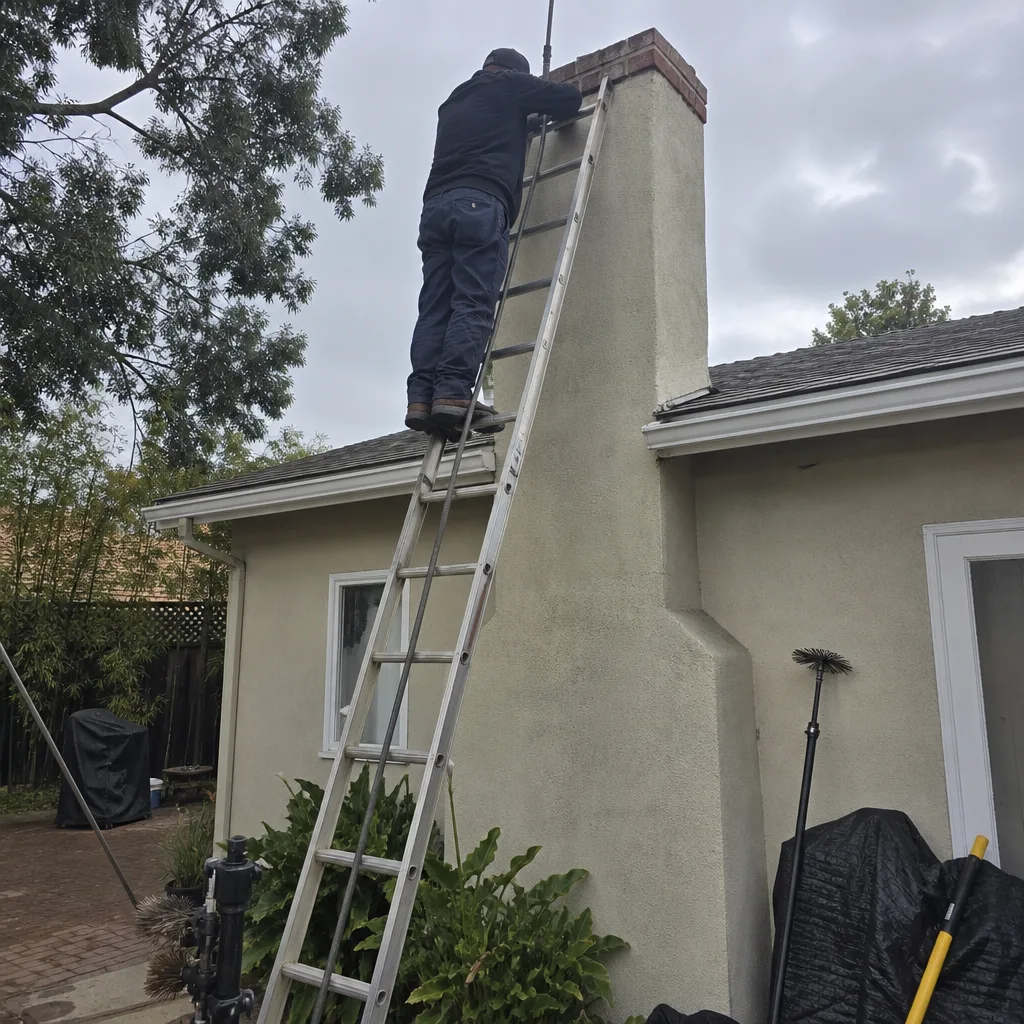 Before
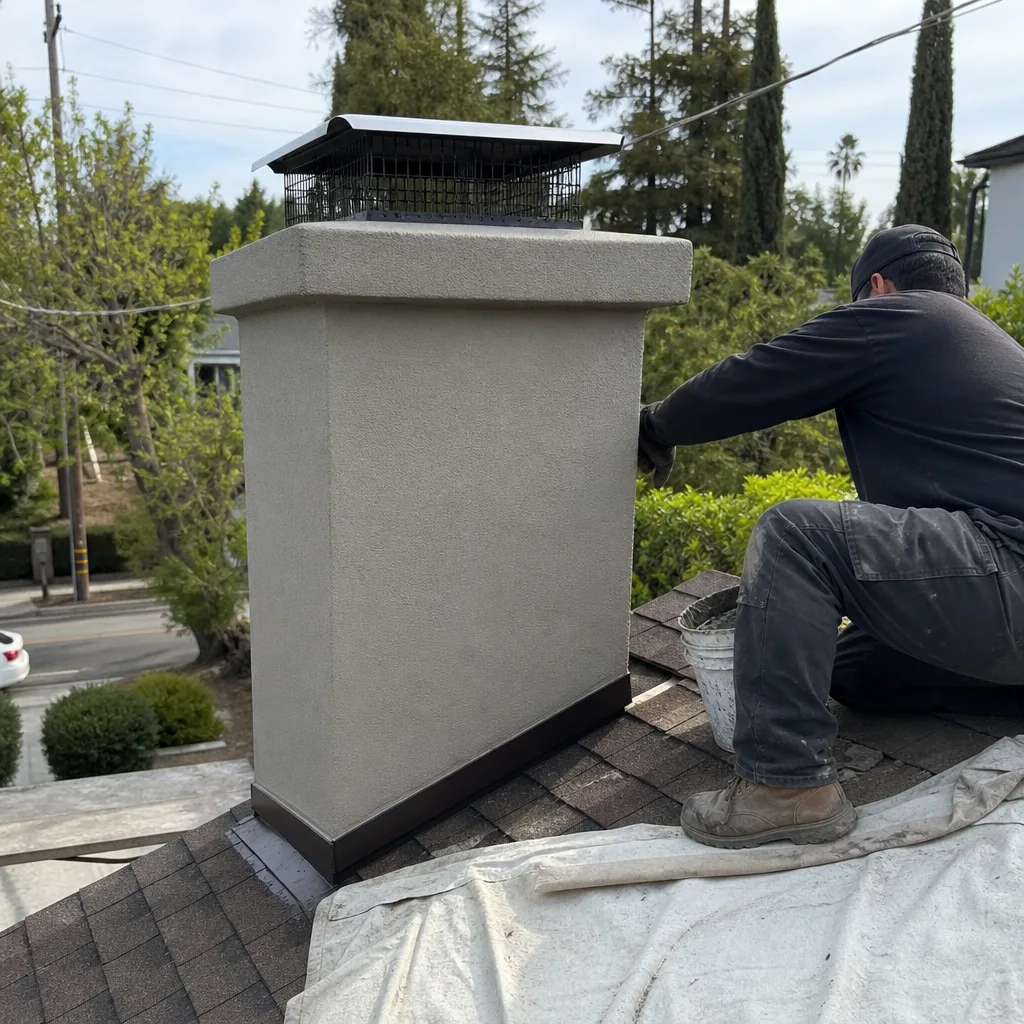 After
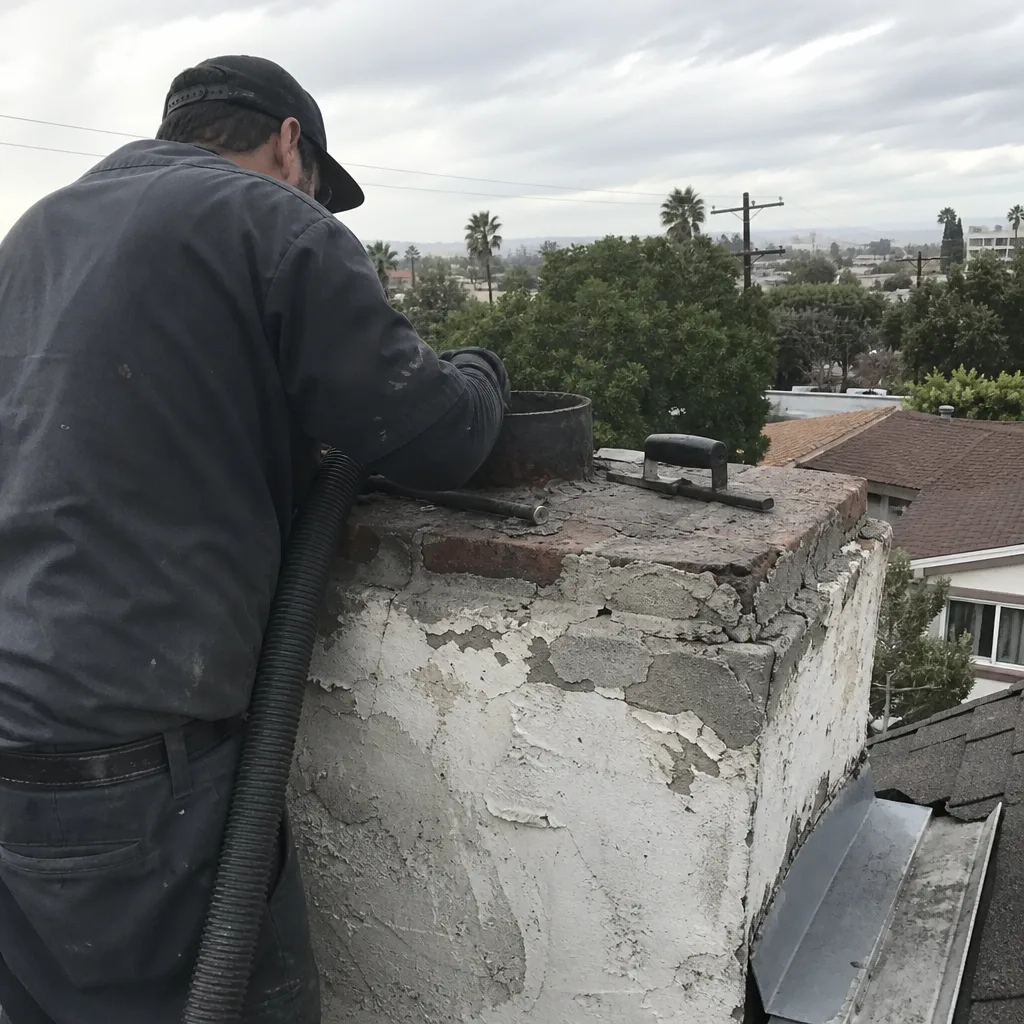 Before
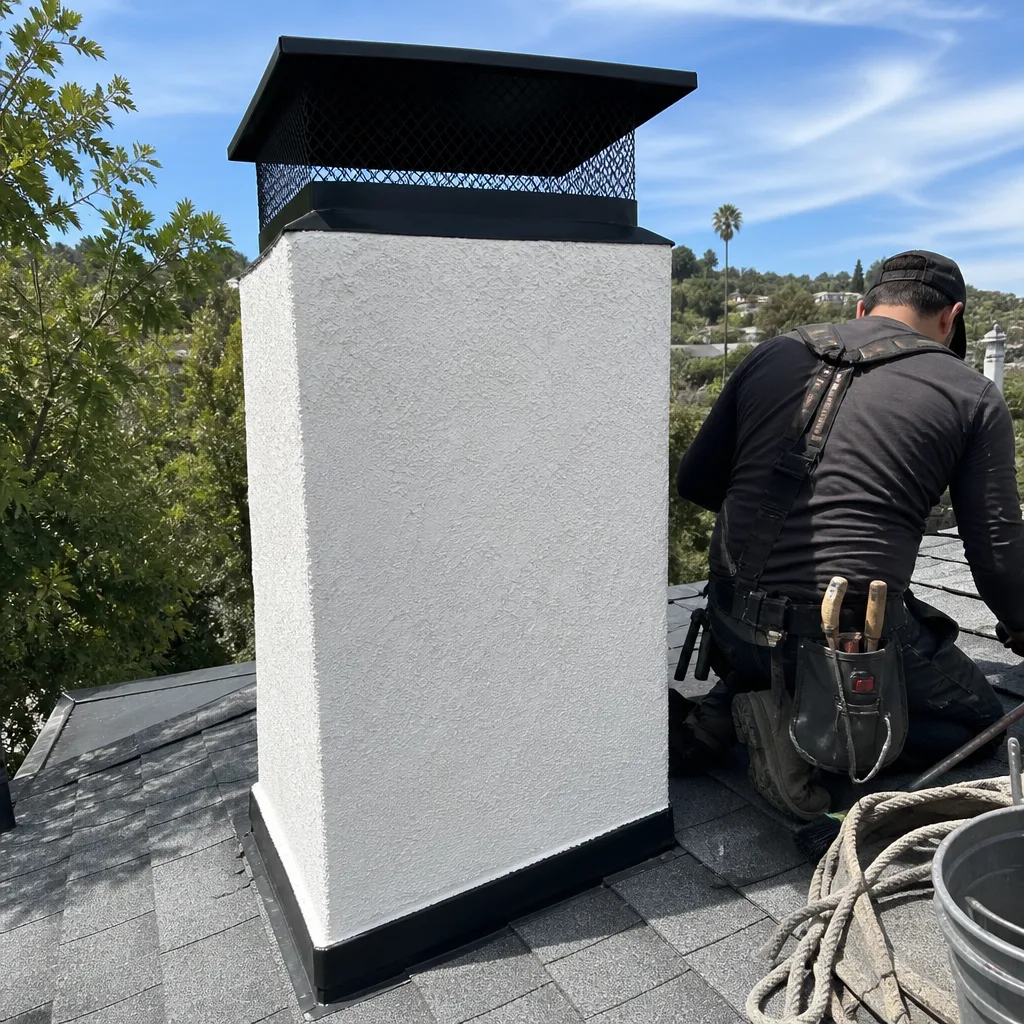 After
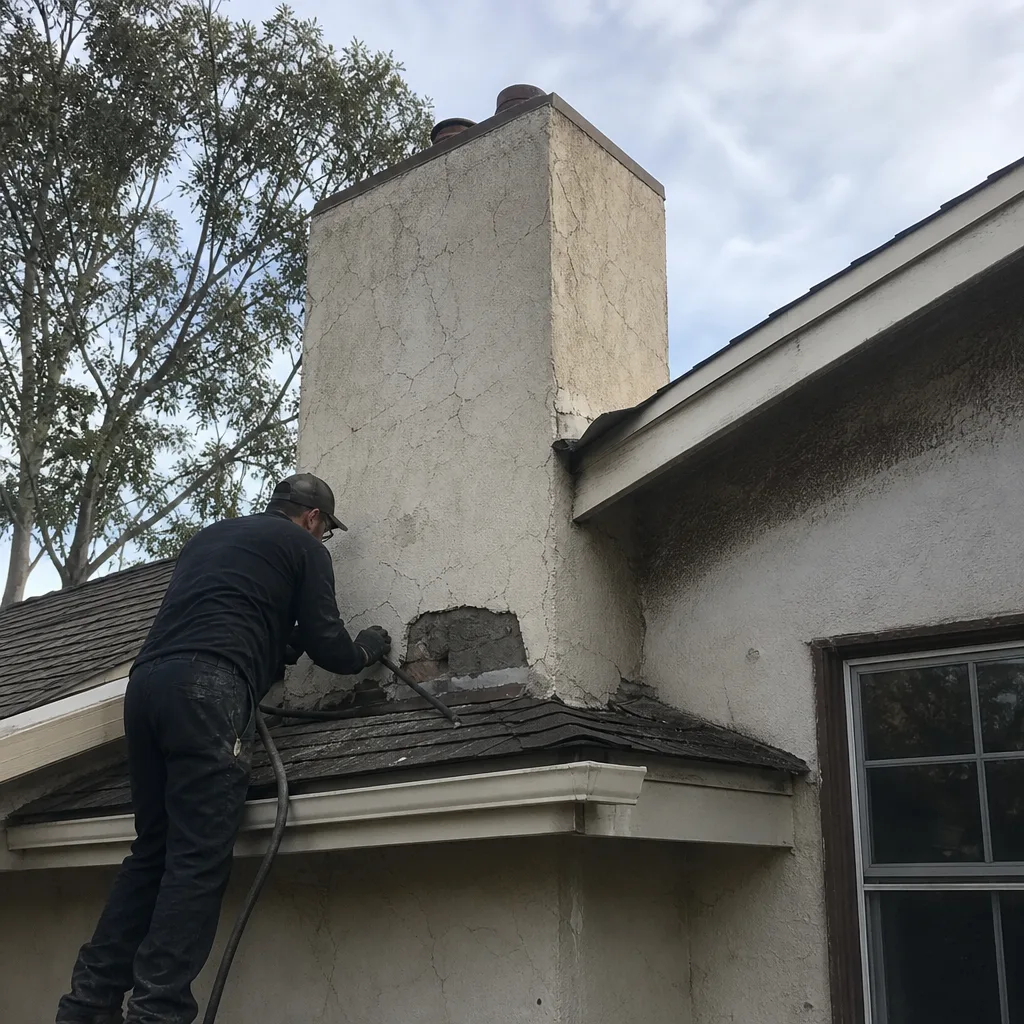 Before
 After