Last updated November 2, 2026
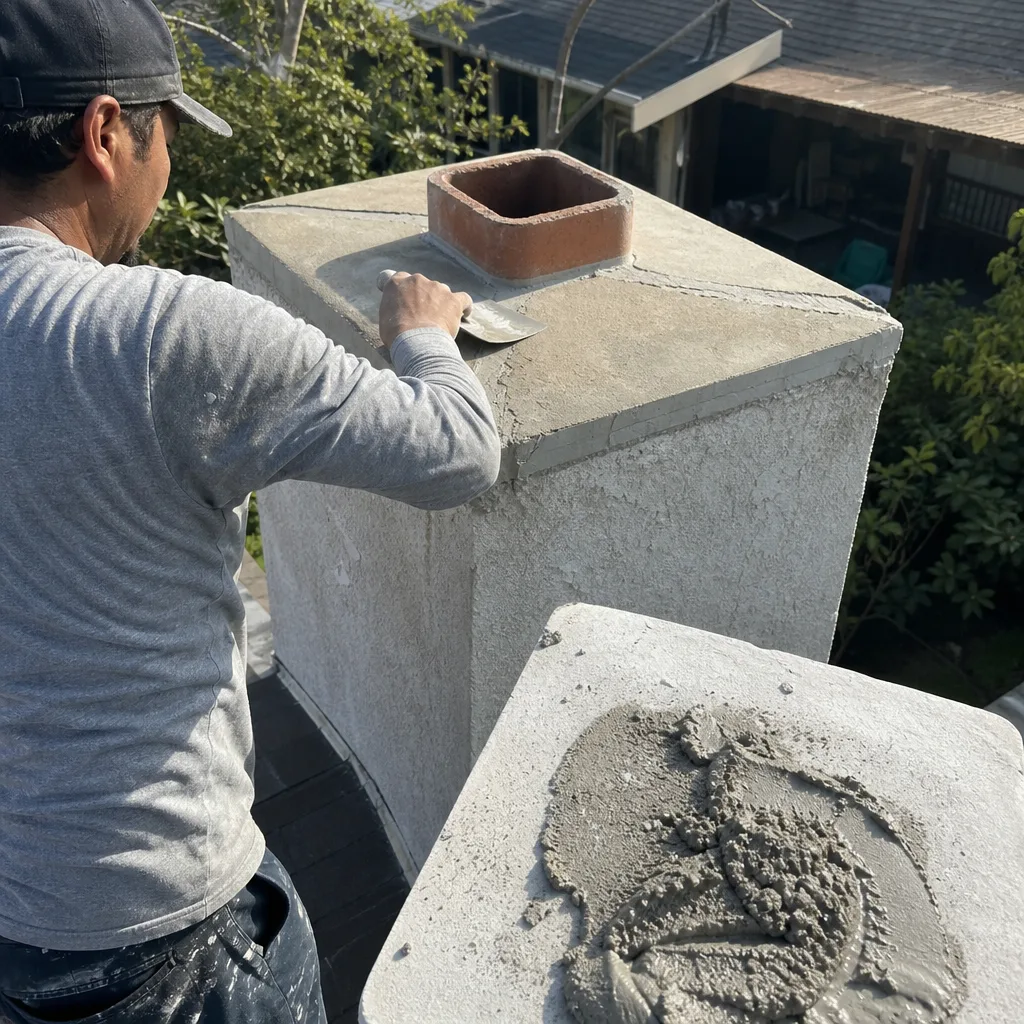
 Sweep & inspection
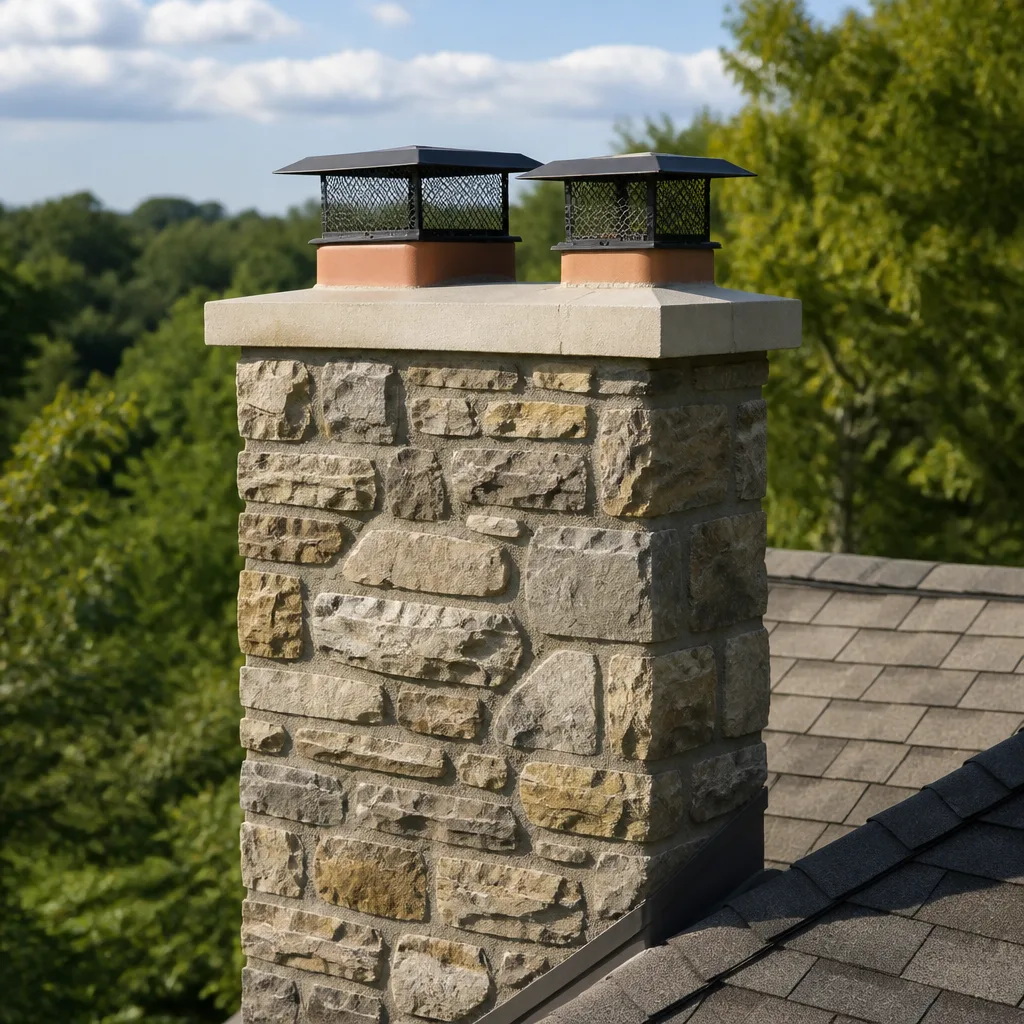 Caps & crowns
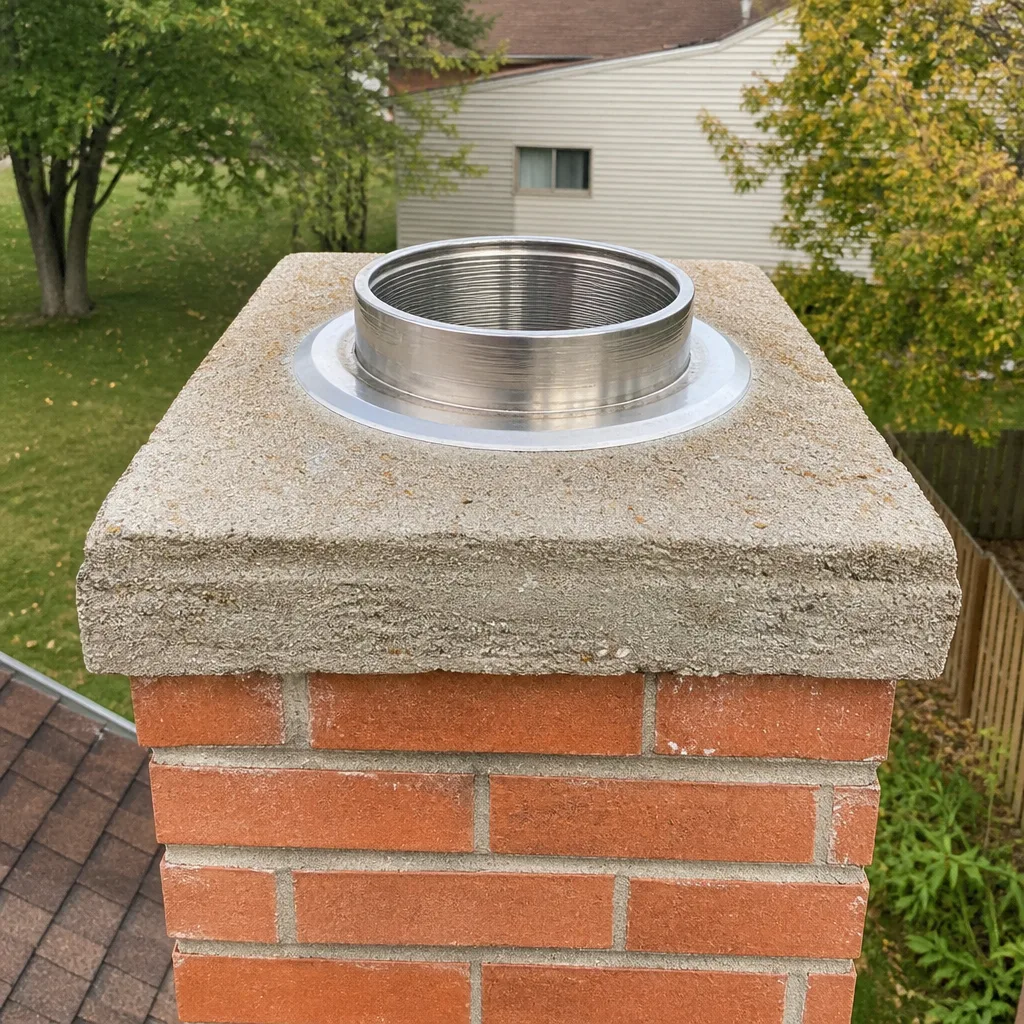 Flue relining
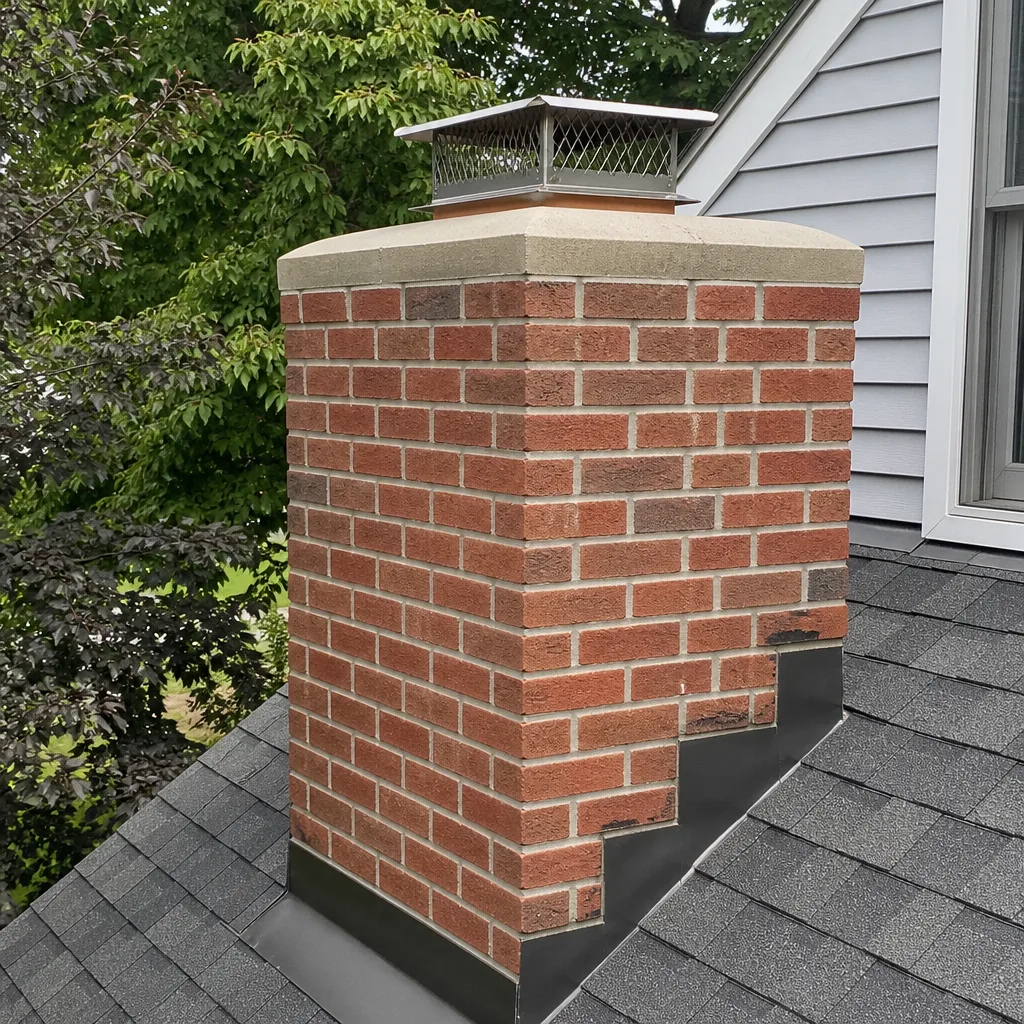 Masonry repair
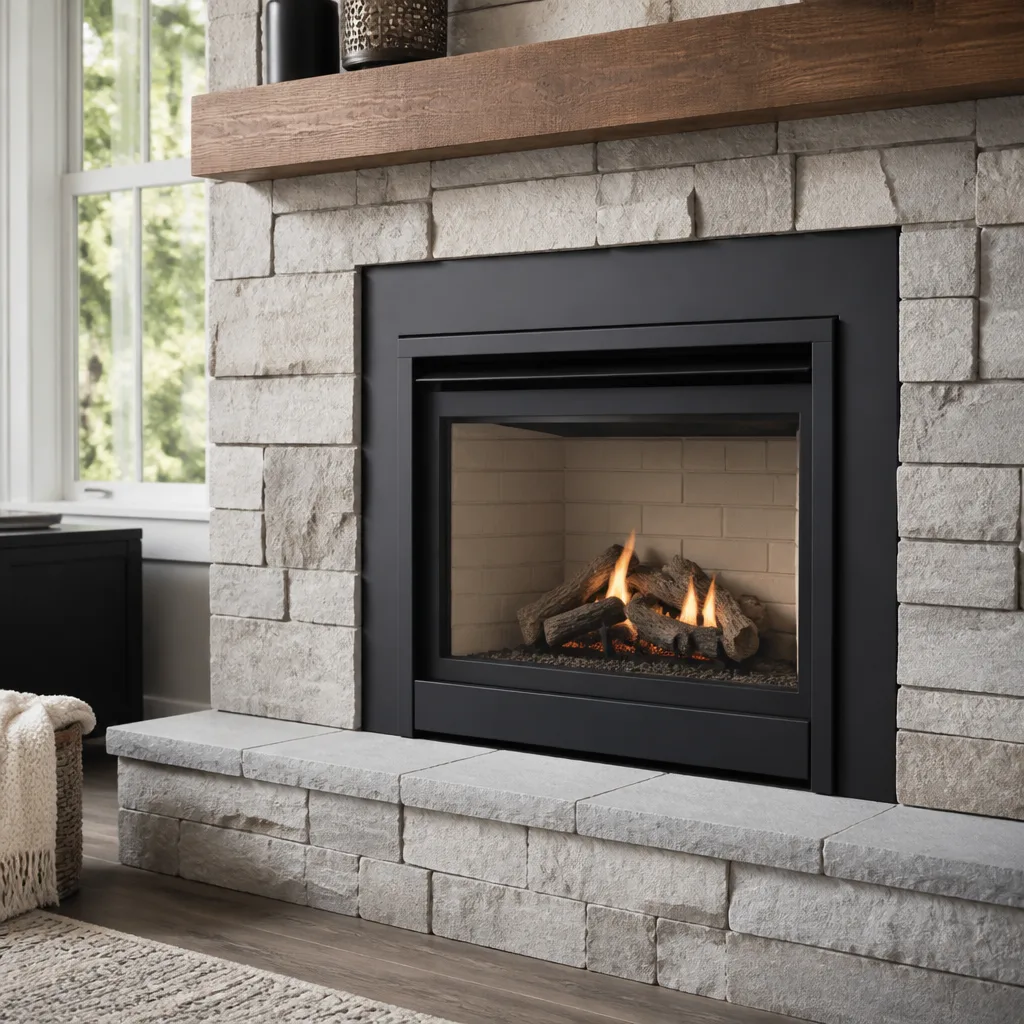 Gas fireplace service
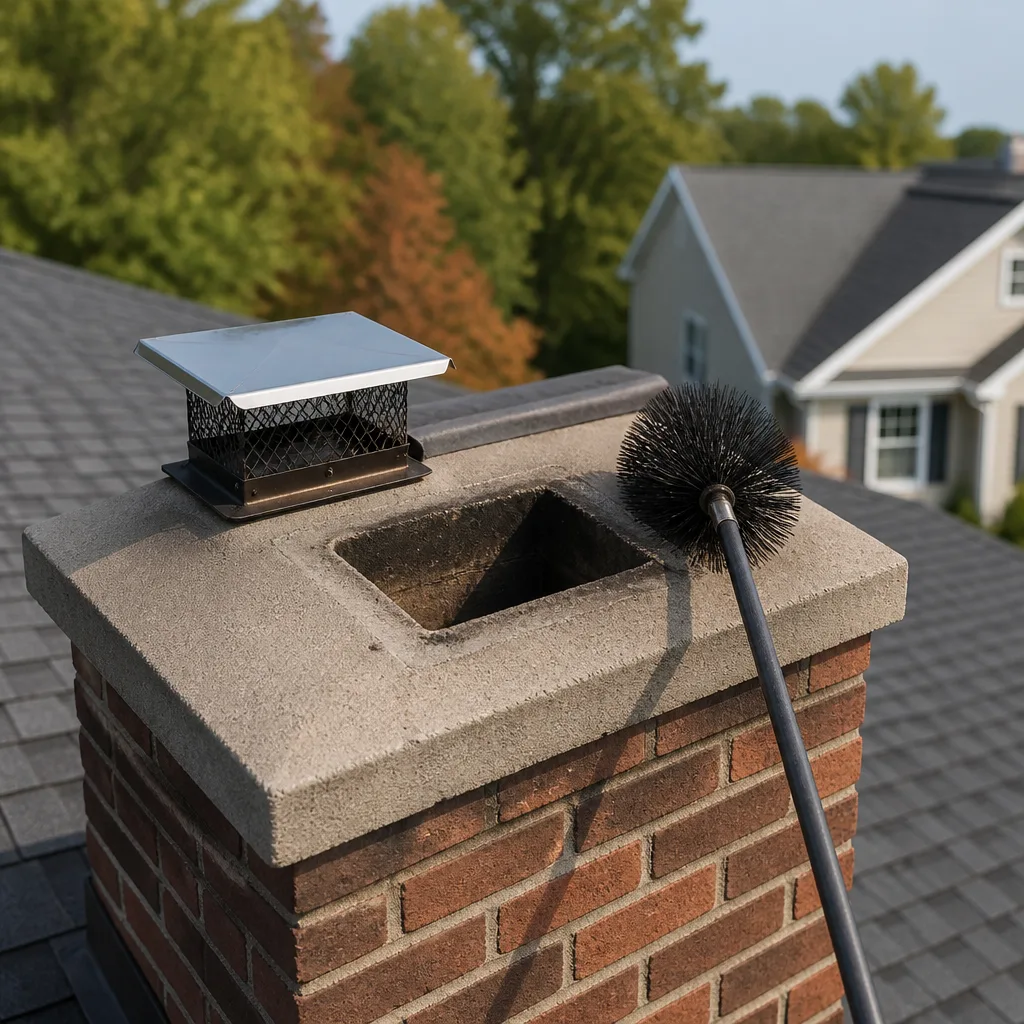
Level 1 sweep and inspection to the NFPA 211 annual standard - flue, crown, cap, and flashing checked and photographed
Chimney sweep logs do not sweep chimneys. They loosen some creosote - which then falls where a brush and vacuum still have to collect it.
DIY vs Professional Chimney Cleaning: The Atwater Village Homeowner’s Decision Guide
Chimney brush kits are widely available and straightforward to use. They also give homeowners a false sense of completion, because creosote removal is only about 20% of what a professional chimney inspection actually assesses. In Atwater Village, where a large share of homes date back to the 1920s and 1930s, that other 80% is often where the real problems hide. By the end of this guide, you’ll know exactly what DIY chimney sweeping can and cannot accomplish, what a professional brings to the job that a homeowner physically can’t replicate, and how to make the right call for your specific chimney. For how to hire a chimney cleaning contractor in Atwater Village: a step-by-step guide, see our dedicated resource.
Styles & brands we work with
- Sweep & inspection
- Caps & crowns
- Flue relining
- Masonry repair
- Gas fireplace service
Quick Answer
DIY chimney cleaning can remove loose creosote from accessible flue walls, but it cannot assess liner cracks, smoke chamber deterioration, crown condition, or hidden blockages. For most Atwater Village homeowners with wood-burning fireplaces, professional cleaning with a camera inspection is the safer and more cost-effective choice, because it catches problems before they become chimney fires or carbon monoxide events. If you’ve had professional service within the last 12 months and burn only seasoned wood, a DIY maintenance sweep between inspections is a reasonable interim step.
Table of Contents
- What DIY Chimney Cleaning Actually Accomplishes
- What DIY Cannot Assess: The Invisible 80%
- Tools and Real Cost Comparison: What a Professional Brings vs. What You’d Buy
- Why Atwater Village Home Age Changes the DIY Calculus
- Liability, Insurance, and the California Claims Question
- Scenarios Where DIY Is Reasonable (And Where It Creates Risk)
- What a Professional Sweep and Inspection Actually Covers
- Common Mistakes to Avoid
- When to Call a Professional
- Frequently Asked Questions
- The Bottom Line
What DIY Chimney Cleaning Actually Accomplishes
Let’s be precise about what running a brush through your flue does. A DIY chimney sweep removes stage 1 creosote – the flaky, sooty deposit that forms when wood smoke cools and condenses on flue walls. If you’re burning properly seasoned hardwood (moisture content below 20%), this is the dominant form of creosote you’ll produce. A wire or poly brush on a flexible rod can knock most of it loose from the accessible sections of the flue. That’s a real benefit. Removing stage 1 creosote reduces the fuel load available to a chimney fire, and it keeps the flue passage clearer for better draft.
But here’s the limit, and we want to state it plainly: what you’re doing when you sweep your own chimney is a maintenance pass on visible surfaces. It’s the equivalent of vacuuming your car’s carpet and calling it a full service inspection. The brush reaches what it can reach. It does not evaluate whether the flue liner behind that creosote has begun to spall or crack. It does not tell you whether the smoke chamber’s corbelled brick is beginning to separate. And it does not give you any information about the chimney cap, the crown, or the flashing at the roofline – three exterior components that fail quietly and expensively.
In our experience across Atwater Village, homeowners who DIY their sweeps tend to fall into one of two camps. The first camp cleans because the fireplace drafts badly, and they’re hoping creosote removal fixes it. Sometimes it helps; often the real issue is a partially collapsed liner, a blocked cap, or a smoke chamber problem that no amount of brushing will resolve. The second camp cleans because they want to avoid the cost of a professional visit. That’s understandable, but it carries a hidden tradeoff: every year you skip a professional inspection, you extend the interval during which a structural problem can progress undetected. And in a chimney, undetected problems eventually become either a chimney fire or a water intrusion, and neither is cheap.
What DIY Cannot Assess: The Invisible 80%
Chimney cleaning and chimney inspection are different jobs, and the industry often blurs them. A professional sweep at Pearl Chimney Cleaning in Atwater Village includes both, because the cleaning is the opportunity to inspect. Here’s what a trained eye with a camera sees that a brush never will:
Liner Cracks and Spalling
Clay tile liners – standard in pre-war Atwater Village construction – crack over decades of thermal expansion and contraction. Once cracked, flue gases can reach the surrounding masonry and, in worst cases, the combustible framing of the home. A cracked liner is not visible from the firebox. It requires a camera run through the flue, and the difference between minor spalling and a liner that needs full replacement is a judgment call that comes from seeing hundreds of them. When a liner has deteriorated beyond surface-level repair, we install DuraFlex stainless steel systems or use HeatShield resurfacing, depending on the chimney’s geometry and condition. Both are professional-grade materials with warranties – not something a homeowner can source or install correctly without specialized training.
Smoke Chamber Deterioration
The smoke chamber is the transitional area above the damper and below the flue, and in older chimneys it’s often built from corbelled brick with gaps and voids. DIY sweeping doesn’t touch it meaningfully, and it’s one of the most common places for hidden creosote accumulation in Atwater Village fireplaces that have been used heavily over decades. A professional assessment determines whether the chamber needs parging, rebuilding, or is functionally sound. You can’t know that from the bottom looking up with a flashlight.
Cap and Crown Condition
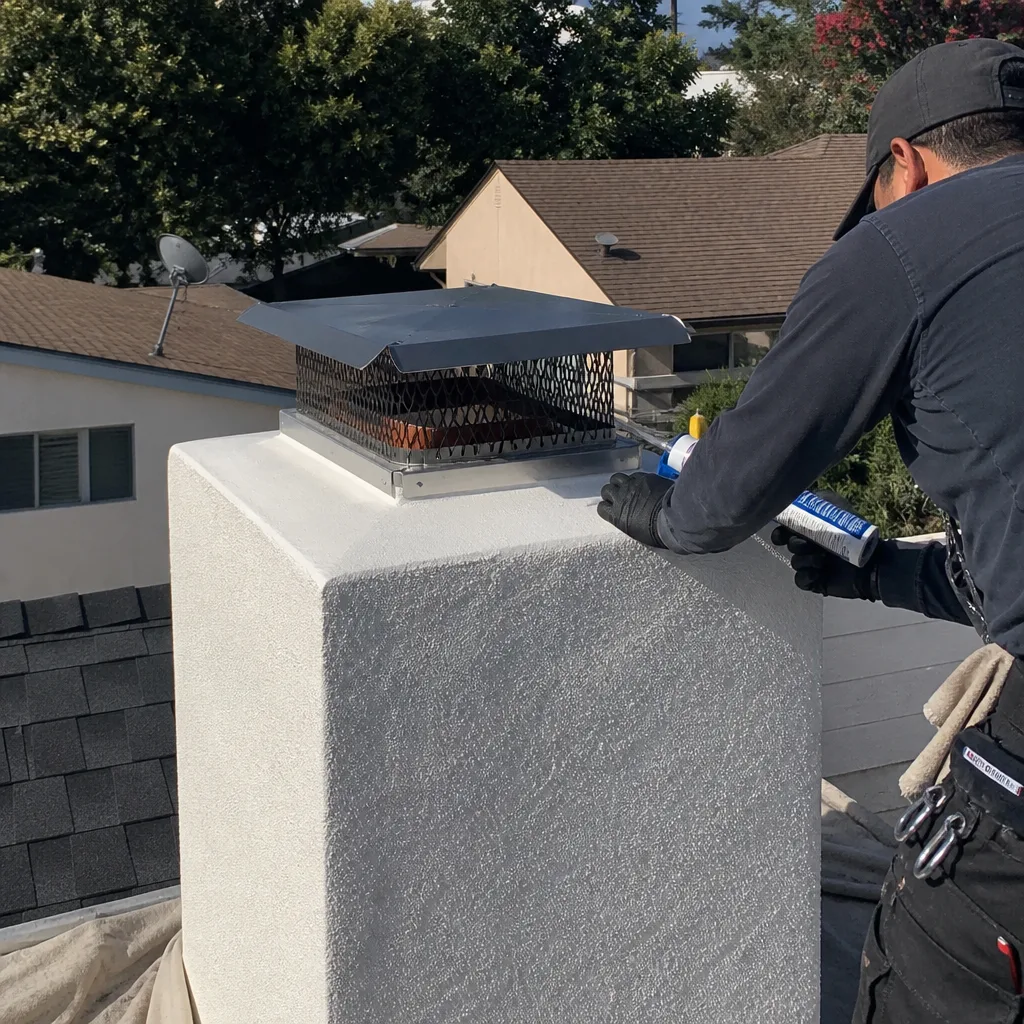
The concrete crown and metal cap at the top of your chimney are what keep the Pasadena-to-Atwater Village freeze-thaw and rain cycle from degrading the masonry from above. In our area, microcracks in crowns are common on homes built before 1940. A damaged crown lets water into the chimney structure, and that water eventually reaches the firebox as efflorescence, damp patches, or worse. Rooftop inspection requires getting onto the roof, evaluating the crown’s slope and seal, and checking the cap’s screen for blockage – a step homeowners rarely do, and shouldn’t attempt on a steep pitch without training.
Tools and Real Cost Comparison: What a Professional Brings vs. What You’d Buy
If you’re going to DIY your chimney sweep the right way – not just running a brush from the bottom and leaving the mess – here’s an honest accounting of what it costs to match the toolset a professional arrives with:
- Chimney brush and rod kit (professional-grade): $150 – $400 depending on flue size and rod length
- HEPA-rated shop vacuum with fine dust filter: $300 – $700; a standard shop vac will not contain creosote dust and will blow it into your living space
- Inspection camera with flexible probe: $200 – $800 for anything that can actually navigate a flue and produce usable images
- Drop cloths, plastic sheeting, and sealing tape: $30 – $60 per use
- Ladder, roof harness, and roof shoes: $200 – $600 if you don’t already own them, which you likely won’t want to buy for a job you do twice a year
- Draft pressure gauge: $100 – $250 for a basic differential manometer
Add that up and you’re between $980 and $2,810 for a setup that still lacks the training to interpret what the camera shows, the experience to know which creosote deposits are routine and which indicate a combustion problem, and the liability coverage if something goes wrong. For a detailed chimney cleaning cost breakdown: the Atwater Village homeowner’s reference for 2026, see our pricing analysis. A professional sweep in Atwater Village includes sweeping, a full camera inspection, draft verification, cap and crown assessment, and a written report. When you factor in the cost of owning and storing the equipment, the DIY savings are thinner than most homeowners assume – and the inspection value is missing entirely.
Why Atwater Village Home Age Changes the DIY Calculus
Atwater Village is not a new-construction market. Walk down any street between Glendale Boulevard and the LA River and you’ll see Spanish Revival bungalows from the 1920s, modest Craftsman-era homes, and a scattering of post-war infill. These homes share a common chimney risk profile: masonry chimneys built before modern lining standards, often with unlined or clay-tile-lined flues, decades of thermal cycling, and occasional retrofits of questionable quality. This is the single biggest reason we advise a professional inspection over DIY in this neighborhood.
A 1940s chimney that has never been inspected is not a “clean it and move on” situation. It’s a system with an unknown history. The original clay liner may be intact, or it may have cracked and been patched with mortar by someone working without a permit. The crown may be original. The smoke chamber may have never been parged. These are not rare outliers in Atwater Village; they’re the typical conditions we encounter. If you DIY a sweep on a chimney like this, you’ll remove creosote from a flue you haven’t inspected – which means you’re cleaning the visible part of a system whose hidden part may be failing. It’s the chimney equivalent of washing a car that has a cracked engine block.
There’s also a market-specific factor. Many Atwater Village homeowners purchase homes with fireplaces that haven’t been used in years, often because the previous owner stopped burning decades ago. Before you build a fire in a chimney of unknown condition, the first step is an inspection – both for creosote and for structural soundness. A new homeowner who lights a fire in a chimney with a cracked liner and a loaded smoke chamber is creating a risk that no amount of post-hoc cleaning resolves. If you’re in this position, the Chimney Repair in Atwater Village service is the right first call, not a brush kit.
Liability, Insurance, and the California Claims Question
This is the part most DIY guides skip entirely, and it matters in California for a specific reason: if you file a homeowner’s insurance claim after a chimney fire, the insurer will ask who last maintained the chimney. If the answer is “I did,” you enter a gray area where the claim investigation becomes much more exacting. Insurance policies generally require that the homeowner maintain the property in a way that prevents foreseeable loss. A professional sweep with a written report and camera documentation is durable evidence of maintenance. A DIY sweep is not.
We’re not saying every DIY chimney cleaning invalidates your coverage. But we are saying that the burden of proof shifts. If you’ve had a professional sweep and inspection within the last year and have the report, you can demonstrate that you acted reasonably and on expert guidance. If you’ve been sweeping your own chimney for five years without a camera inspection, an adjuster investigating a chimney fire has a legitimate question about whether the homeowner reasonably discharged their maintenance duty. In a state where wildfire-adjacent claims are already closely scrutinized, the professional paper trail has real value. It’s not about gatekeeping; it’s about the reality of how claims get adjudicated.
Scenarios Where DIY Is Reasonable (And Where It Creates Risk)
We don’t take the position that homeowners should never touch their own chimneys. That would be dishonest – there are specific scenarios where a homeowner cleaning between professional visits is sensible. Here’s the honest breakdown:
Where DIY Is a Reasonable Interim Step
- You had a professional sweep and camera inspection within the last 12 months and the report noted only light stage 1 creosote. A DIY maintenance sweep between annual inspections keeps the flue clear and is genuinely useful.
- You have a gas-only fireplace insert vented through a dedicated flue. Gas produces no creosote, but the flue can still accumulate light debris, insect nests, or minor soot. A homeowner can clear surface debris from the firebox area without risk. The flue itself should still be inspected periodically, but the urgency is lower.
- You’re a tenant in a rental property where the landlord has declined to service the chimney. We don’t generally recommend tenants perform chimney work, but a light brush pass to remove loose creosote before occasional use is a reasonable interim measure – with the understanding that responsibility for structural repairs falls on the property owner, not the tenant.
Where DIY Creates Active Risk
- You’ve never had a camera inspection, and the chimney is original to a pre-war home. Cleaning without inspecting is taking on the risk of a hidden structural failure. This is the most common scenario we see in Atwater Village, and it’s the one where we’re most direct with our advice: inspect first, then decide.
- You notice flaking rust, damp patches, or white staining on the chimney exterior or firebox walls. These are signs of water intrusion or liner degradation. DIY sweeping will not address the cause.
- You smell a smoky odor when the fireplace is not in use or you notice draft problems. These can indicate a blockage, a failing cap, or a lining problem. Brushing the flue in this state can dislodge a partial blockage into a worse position or mask a draft issue you should have investigated.
- You have a steep-pitch roof and the chimney is elevated. Roof access for cap and crown inspection is genuinely dangerous work, especially on older Atwater Village homes with steep pitches and clay tile roofs that crack under foot traffic. This is always a task for someone with the right equipment and insurance.
What a Professional Sweep and Inspection Actually Covers
When we sweep and inspect a chimney in Atwater Village, the clean is the means; the documentation is the product. Here’s what the process includes, step by step:
- Site protection and setup. Drop cloths and sealing systems prevent creosote dust from migrating into the living space. A standard shop vac does not achieve this, which is why professional-grade HEPA filtration is non-negotiable for us.
- Mechanical sweeping of the full flue length using brushes sized to the exact flue dimensions.
- Camera inspection of the full flue, smoke chamber, and firebox, with images captured for the report. This is the step that transforms a sweep from a cleaning into an assessment.
- Draft verification using a pressure gauge to confirm the chimney is pulling combustion gases properly. A clean chimney that doesn’t draft correctly is still a carbon monoxide risk.
- Cap and crown check – either via roof access where safe, or via camera from below when roof conditions make direct access inadvisable.
- Written report with findings, recommended next steps, and cost estimates for any necessary work. You walk away with documentation of what was done, what was found, and what needs attention.
This is also where the Pearl Chimney Cleaning home philosophy shows up practically. We stock and install DuraFlex and HeatShield because we’ve seen too many liners resurfaced with hardware-store materials that fail within a few seasons. We mention the brands we use because homeowners deserve to know that a repair or relining won’t require another full replacement in five years. When a camera uncovers a liner problem, the fix is a named, warrantied system – not an anonymous patch.
And because combustion safety extends beyond the fireplace, we also handle Dryer Vent Cleaning in Atwater Village. A clogged dryer vent is a household fire hazard that operates on the same logic as a dirty chimney: the visible part (the lint trap) receives attention, while the hidden part (the vent run behind the wall) accumulates until it becomes dangerous. The same principle applies to both systems – the advice to inspect before assuming the visible surface tells the whole story.
Common Mistakes to Avoid
- Assuming a clean-looking firebox means a clean flue. The firebox is not the flue. You can have a spotless firebox and a flue loaded with creosote fifteen feet above it. In Atwater Village chimneys that were swept irregularly for decades, this disconnect is common.
- Using chemical creosote removers as a substitute for mechanical cleaning. Chimney sweeping logs and powders can loosen light stage 1 creosote, but they do not remove it from the flue, and they do nothing for stage 2 or stage 3 creosote. They’re a supplement, not a replacement.
- DIY sweeping on a roof without a harness. This is the most dangerous error on this list. Steep Atwater Village roofs and clay tiles are a genuinely hazardous combination. If roof access is required, hire someone insured for it.
- Cleaning and calling it inspected. A brush pass is not an inspection. If you’re going to DIY, acknowledge honestly that you’re cleaning without assessing, and schedule a professional inspection on a reasonable interval.
- Ignoring a known draft issue and continuing to burn. A smoky fireplace is a sign that combustion gases aren’t venting properly. Continuing to burn with poor draft is a carbon monoxide exposure risk, and no amount of cleaning fixes a structural draft problem.
- Assuming gas fireplaces need no maintenance at all. Gas chimneys produce no creosote, but they still need periodic inspection for blockages, vent damage, and proper combustion. The annual urgency is lower, but the “set and forget” assumption is how vent problems go undetected for years.
When to Call a Professional
Call a professional when the chimney is original to a home built before 1940 and has no recent inspection history. Call when you see water staining, rust, or efflorescence. Call when you smell smoke when the fireplace isn’t in use, when the chimney drafts poorly, or when you’re a new homeowner preparing to light a fire in a system you’ve never assessed. Call when your roof pitch makes direct access unsafe, which is most of the older housing stock here. And call when you want the documentation: a written report from a camera inspection is the difference between a chimney you cleaned and a chimney you understand. Pearl Chimney Cleaning offers free estimates in Atwater Village – call (833) 630-4048.
Frequently Asked Questions
A professional chimney sweep with camera inspection in Atwater Village typically costs between $180 and $350, depending on flue height, accessibility, and whether roof access is required for cap and crown assessment. Repairs or relining are quoted separately after the inspection report. The sweep fee includes the cleaning, the camera inspection, and the written documentation – which is the part that holds value for insurance purposes. Call (833) 630-4048 for an exact quote on your chimney; estimates are free.
DIY chimney cleaning with a bottom-up brush kit is generally safe for the homeowner when done with proper dust containment, but it carries meaningful limits: it cannot inspect the flue, and rooftop access without training and a harness is genuinely dangerous. The bigger safety risk is not the cleaning itself – it’s the false confidence of cleaning without knowing the condition of the liner, smoke chamber, and crown. A chimney that has never been camera-inspected is a risk assessment waiting to happen, not a cleaning task.
The National Fire Protection Association recommends a professional inspection at least once per year and cleaning as needed based on creosote accumulation. For Atwater Village homes with wood-burning fireplaces in regular seasonal use, that translates to an annual sweep and inspection before the burning season begins. Our seasonal chimney cleaning care for Atwater Village: year-round homeowner’s guide covers timing and preparation in detail. Homes that burn only occasionally may stretch to 18 – 24 months, but only if a prior inspection documented a clean, sound flue. Gas-only chimneys can go longer between visits, but should still be inspected periodically for vent blockages and crown condition.
A legitimate liner recommendation is backed by camera images you can see for yourself. At Pearl Chimney Cleaning, we don’t recommend liner work without visual evidence, and we show you the footage. Common legitimate reasons for relining include cracked clay tiles that expose masonry to flue gases, a liner that has separated at the joints, or a chimney with no liner at all. HeatShield resurfacing can address minor spalling, while a full DuraFlex stainless liner is the right solution for severely deteriorated or unlined flues. If a contractor recommends liner work without showing you camera evidence, get a second opinion. Call (833) 630-4048 and we’ll show you exactly what the camera sees.
Creosote accumulates in stages. Stage 1 is flaky and manageable; stage 2 is a tar-like glaze; stage 3 is a hardened, fuel-rich glaze that ignites easily and burns extremely hot. A chimney fire fueled by stage 3 creosote can reach temperatures that crack liners, warp metal components, and transfer heat to surrounding framing. Separately, undetected liner cracks and crown damage allow flue gases and water into places they shouldn’t reach. Skipping maintenance doesn’t guarantee a fire – but it guarantees you’re flying blind on the question of whether your chimney is safe to use. That’s the risk, and it’s a bigger one in a pre-war home with an uninspected chimney. Call (833) 630-4048 if you’re in Atwater Village and haven’t had your chimney looked at in recent years.
Yes, bottom-up cleaning with a flexible rod and brush is possible and safer than roof access, but it has limitations. You’re cleaning only the vertical flue section you can reach from below, and you still need to contain the dust properly – a standard shop vacuum sends fine creosote particulate into your living space. More importantly, bottom-up cleaning still doesn’t give you the camera view of the flue, smoke chamber, or cap. It’s a maintenance pass, not an inspection, and that distinction is the entire point of this guide. For Atwater Village chimneys with decades of unknown history, the inspection is the part you can’t skip.
The Bottom Line
DIY chimney cleaning is a maintenance tool, not an inspection substitute. In Atwater Village, where pre-war construction and decades of accumulated use are the norm, the hidden condition of the flue matters more than the visible creosote on its walls. If your chimney has been professionally inspected within the last year and you burn only seasoned wood, a DIY maintenance sweep between visits is a reasonable practice. If your chimney’s history is unknown, or you see signs of water intrusion, draft problems, or you haven’t had a camera inspection in years, the right call is a professional sweep and full assessment – with documentation you can keep and show to an insurer if it ever matters. Cleaning the visible part and assuming the whole system is sound is how chimney problems go undiagnosed. The brush does its job. The camera does the rest. For more guides & resources on chimney maintenance, explore our blog.
If you’re in Atwater Village and want a clear picture of your chimney’s condition before the burning season, call Pearl Chimney Cleaning at (833) 630-4048. We sweep, inspect with a camera, document what we find, and stand behind the work. Clean flue. Sound liner. Safe home.
Written by the team at Pearl Chimney Cleaning, serving Atwater Village since 2013.
See the difference
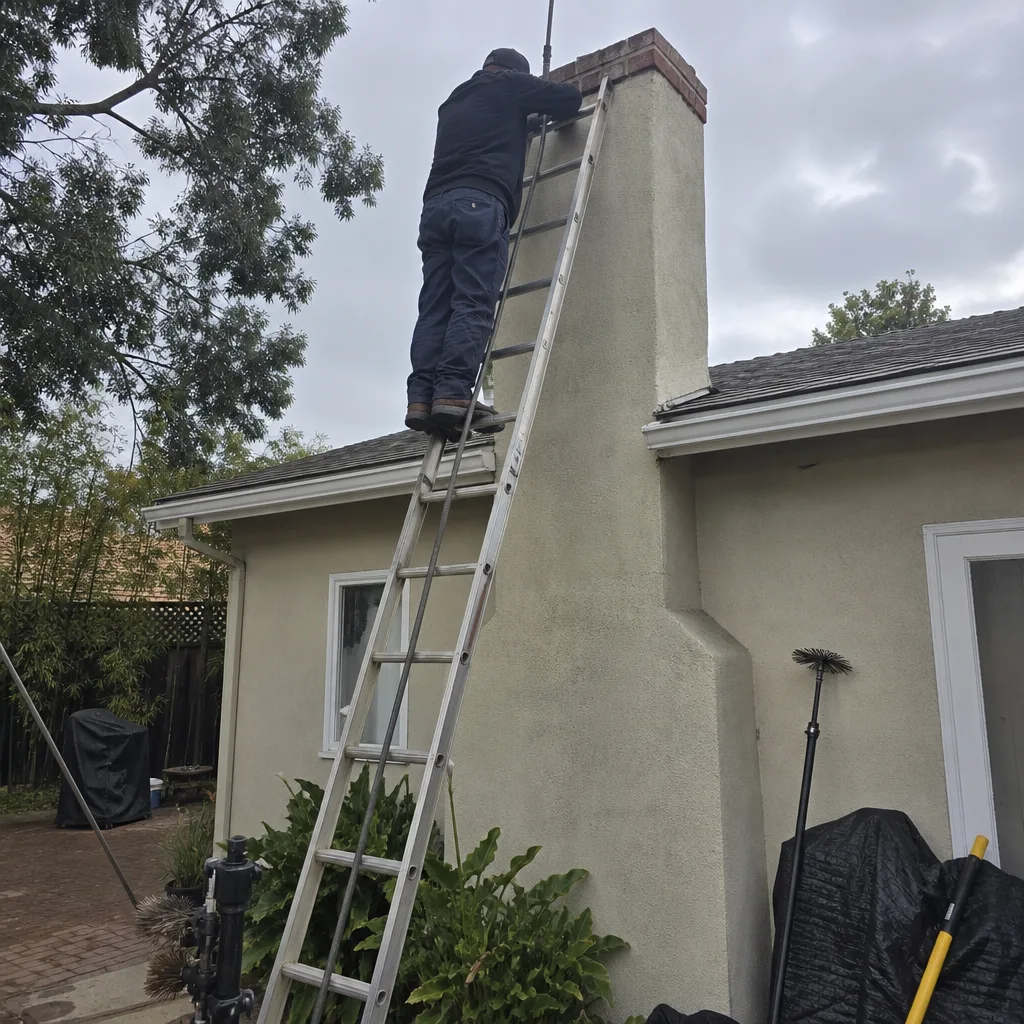 Before
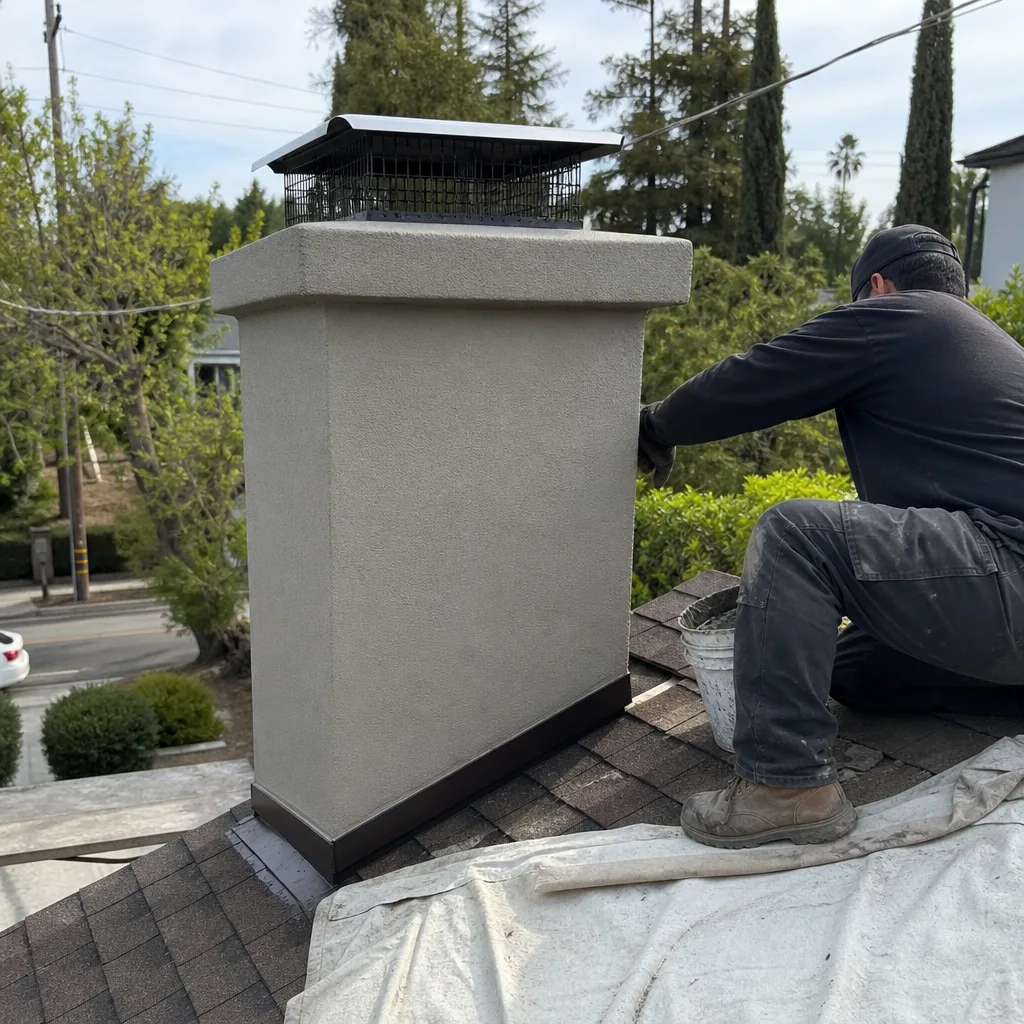 After
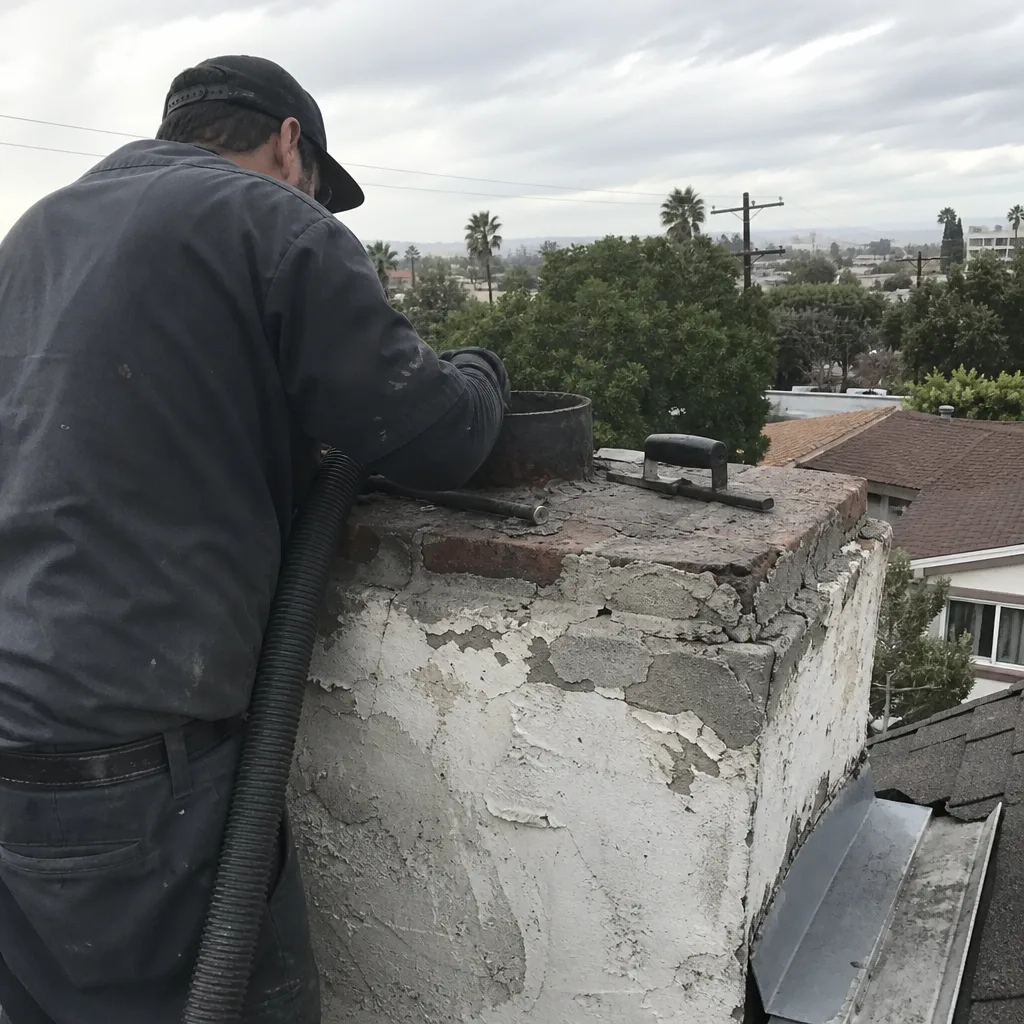 Before
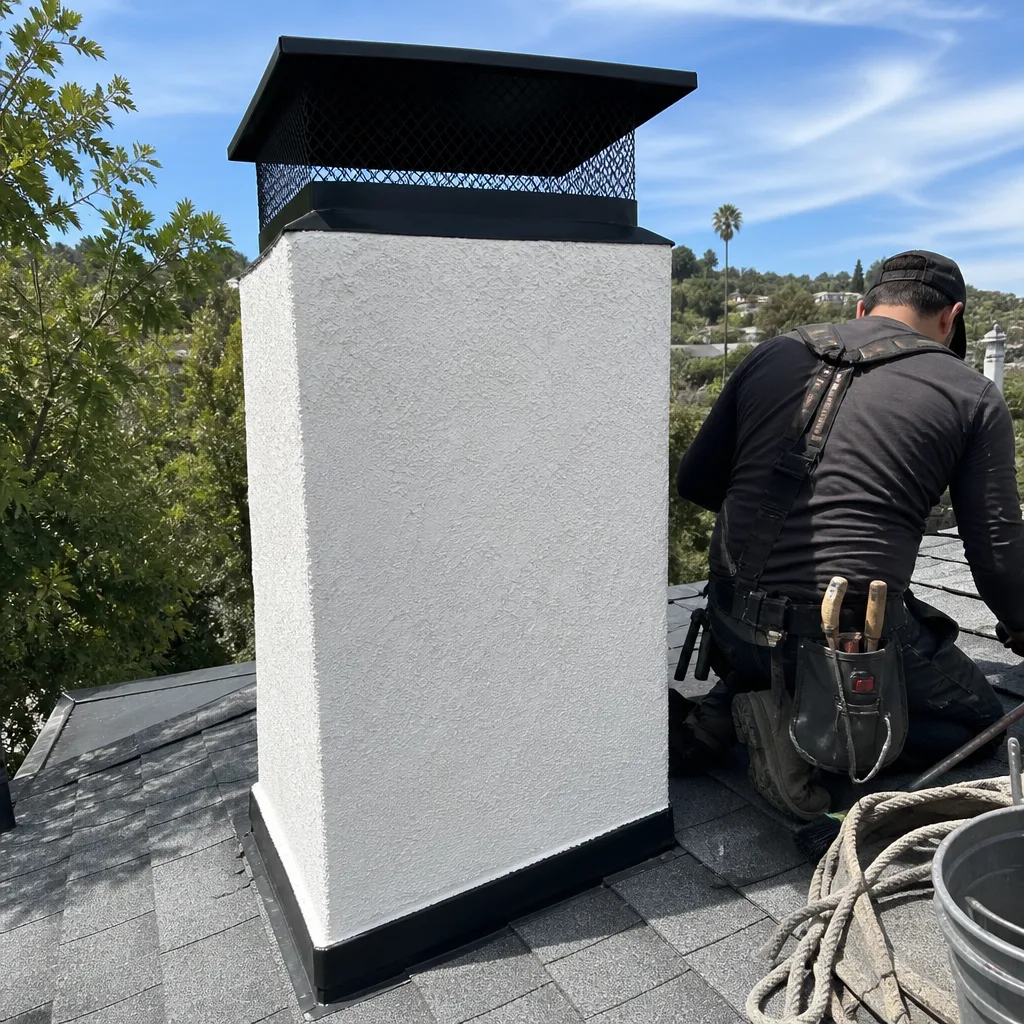 After
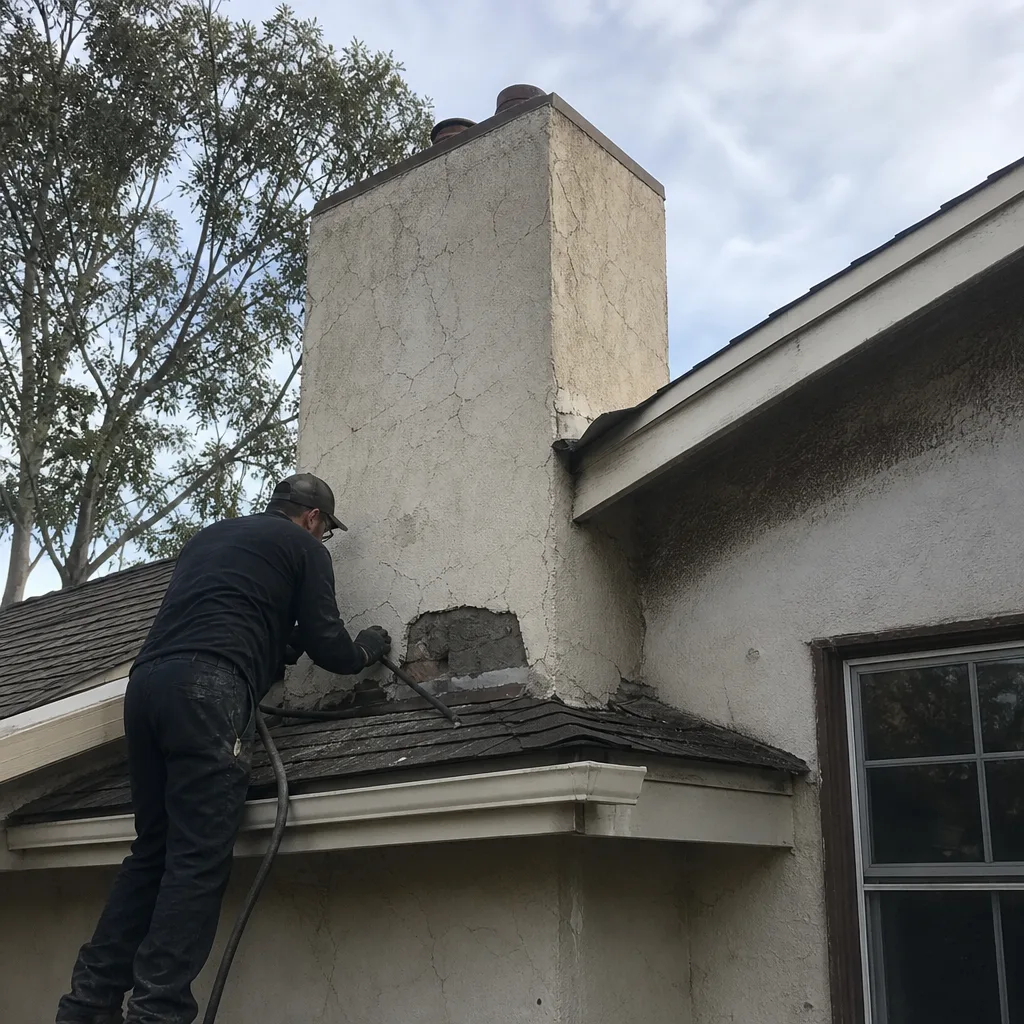 Before
 After