
Last updated November 2, 2026
 Sweep & inspection
 Caps & crowns
 Flue relining
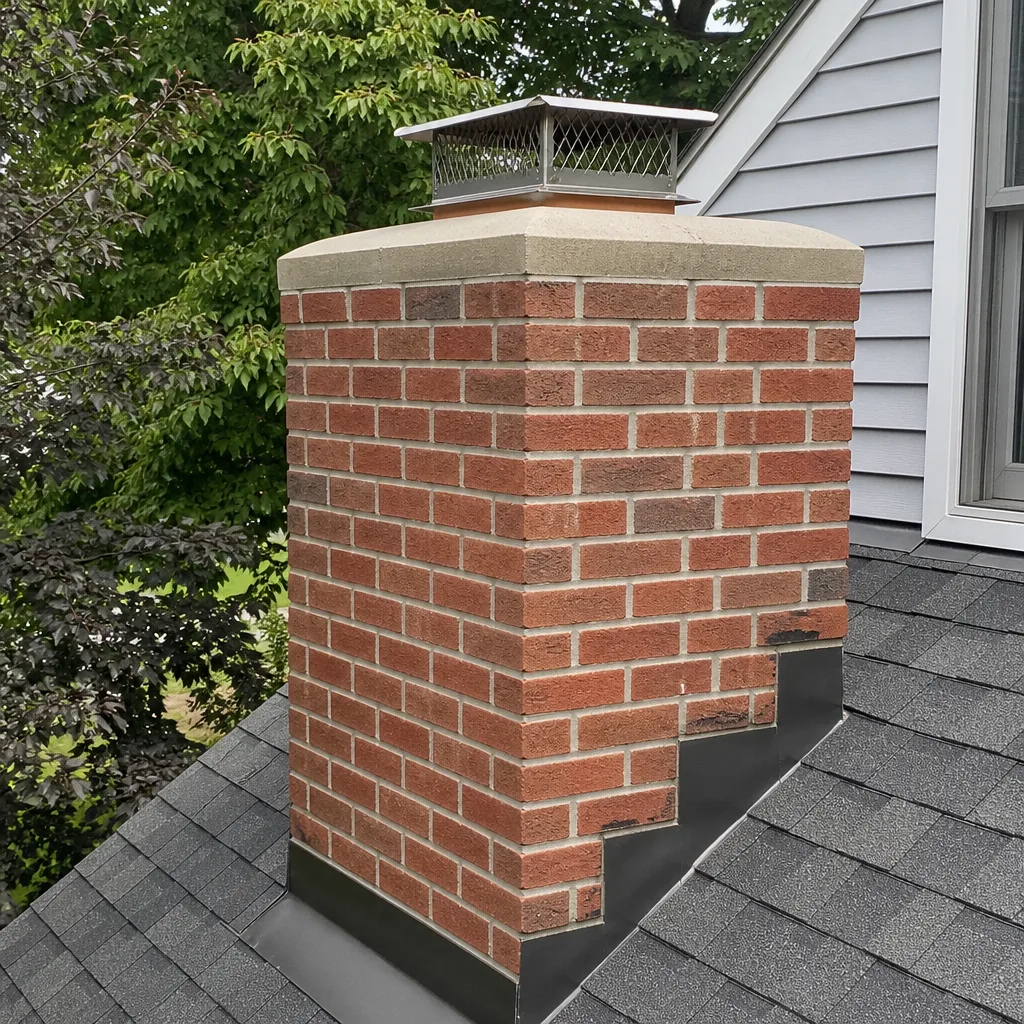 Masonry repair
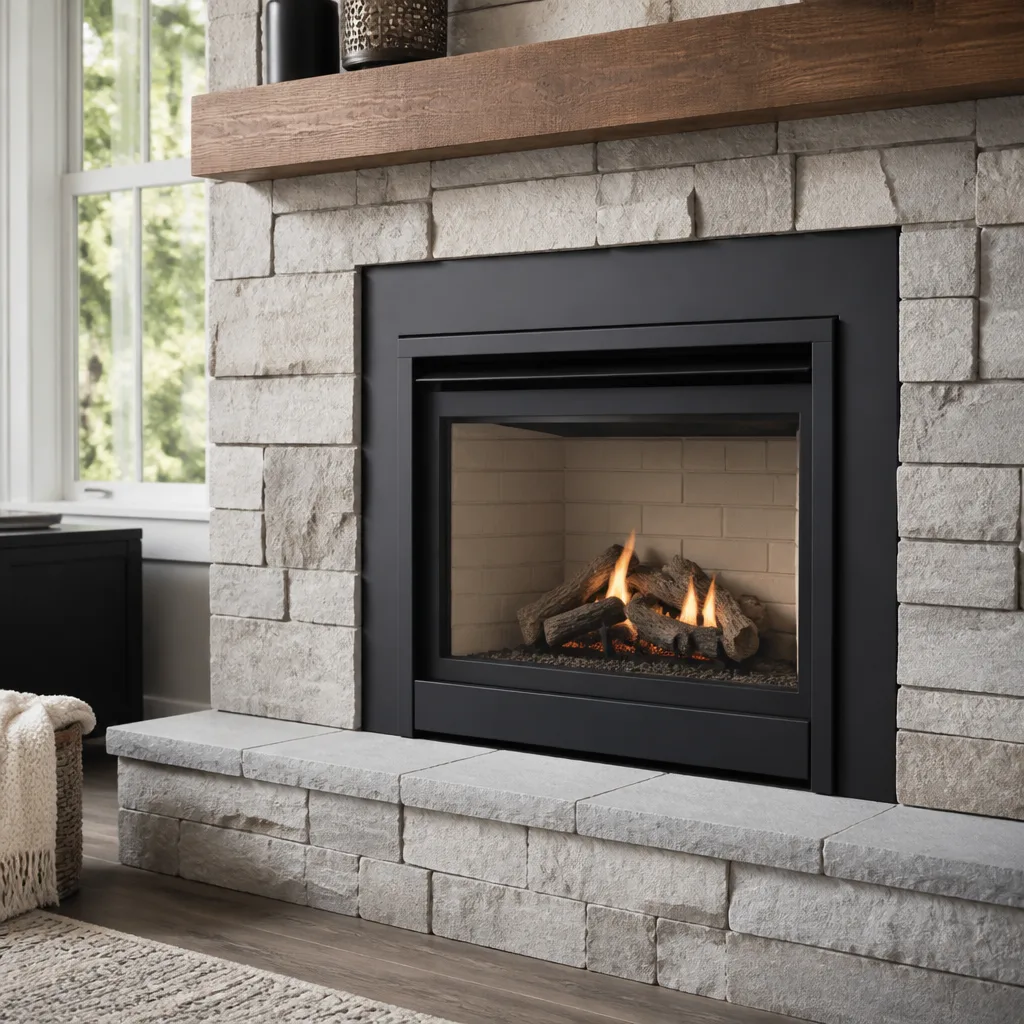 Gas fireplace service
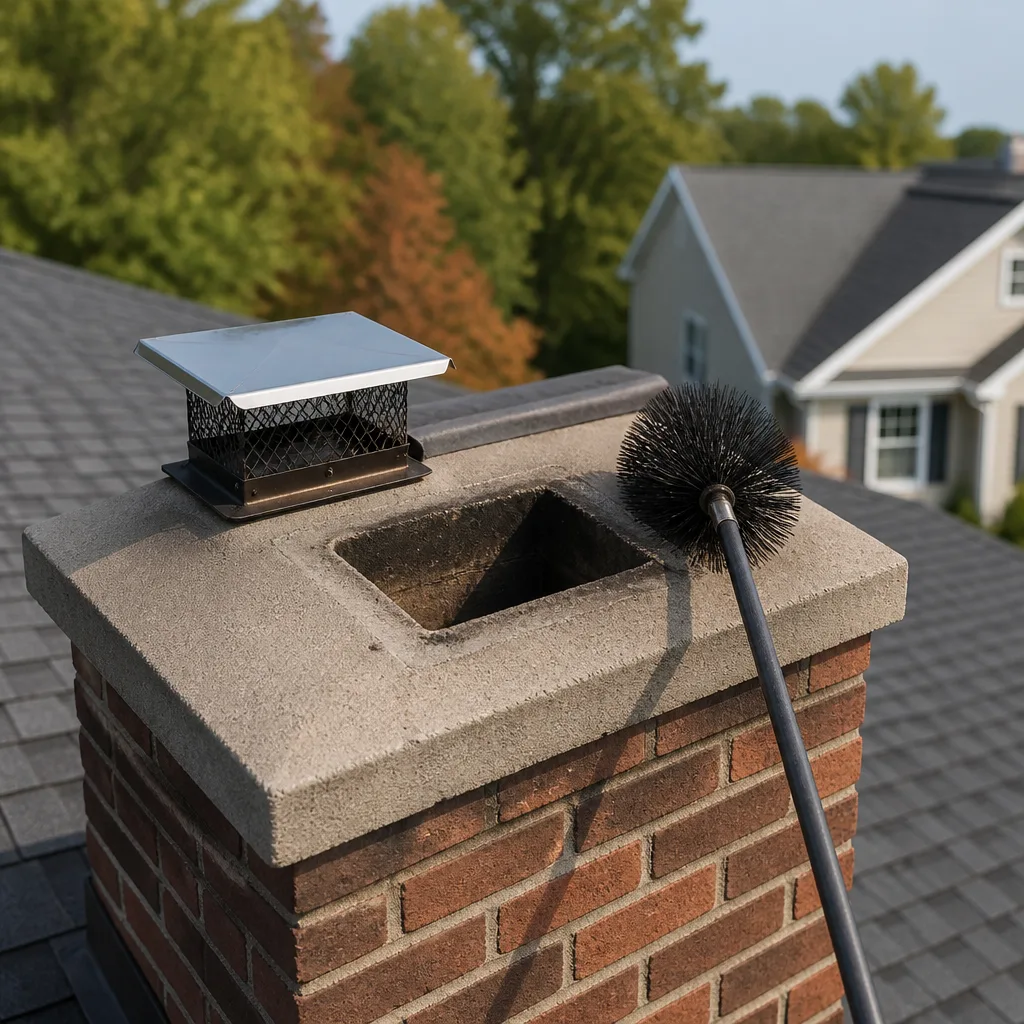
Level 1 sweep and inspection to the NFPA 211 annual standard - flue, crown, cap, and flashing checked and photographed
Chimney sweep logs do not sweep chimneys. They loosen some creosote - which then falls where a brush and vacuum still have to collect it.
Chimney Sweep Maintenance Checklist for Atwater Village Homeowners
Here’s a fact most Atwater Village homeowners don’t hear until it’s too late: the California Department of Insurance has spent the last several wildfire seasons tightening how adjusters review home fire claims, and an undocumented, unmaintained chimney reads as deferred liability. A chimney that hasn’t been swept or inspected isn’t just dirty. It’s a line item an insurer can use to question a claim. This guide walks through a section-by-section maintenance checklist built for Southern California chimneys specifically, what you can check yourself, what needs a trained eye, and how to document everything so you’re never fumbling for proof when it matters.
Styles & brands we work with
- Sweep & inspection
- Caps & crowns
- Flue relining
- Masonry repair
- Gas fireplace service
Quick Answer
A chimney maintenance checklist for Atwater Village homes should cover six zones: the firebox, smoke chamber, flue liner, chimney crown, chimney cap, and flashing. Most homeowners can visually inspect the firebox, cap, and flashing from the ground or hearth level, but the smoke chamber and liner require a professional with a camera scope. In our Mediterranean climate, the practical sweep-and-inspect window is late spring through early fall, before the first wood-burning evenings of November.
Table of Contents
- Why Southern California Chimneys Fail Differently
- The Six-Zone Inspection: A Section-by-Section Checklist
- What a Homeowner Can Safely Check
- What Requires a Technician (and Why)
- Seasonal Timing for a Mediterranean Climate
- Documentation: Insurance, Resale, and the California Reality
- Red-Flag Conditions That Should Pause Fireplace Use
- Common Mistakes to Avoid
- When to Call a Professional
- Frequently Asked Questions
- The Bottom Line
Why Southern California Chimneys Fail Differently
National chimney maintenance guides assume four seasons, freezing winters, and a burning season that runs from October through March. Atwater Village has none of that. What we have instead is a long dry season, occasional heavy rain events, and homes built anywhere from the 1920s to the 1980s, many with masonry fireplaces that saw decades of casual use before anyone thought about liner integrity.
The failure points here are not frost heave and freeze-thaw spalling. They’re dry creosote accumulation inside the flue, cracked mortar joints from seismic settling, rusted caps and dampers from salt-tinged air drifting up the Los Angeles River corridor, and flashing failures where tile roofs meet chimney stacks on the hillside streets above Glendale Boulevard. A chimney in Atwater Village doesn’t slowly degrade over a harsh winter. It sits dormant for eight months, then gets asked to perform on the first cold evening in November. That’s when deferred problems announce themselves.
This matters because the most common chimney issue we see in this neighborhood isn’t a dramatic structural collapse. It’s a liner with hairline cracks that’s been quietly passing heat and gases into the chimney chase for years. The homeowner doesn’t notice until a rainy season causes a stain on the ceiling, or a home inspection flags it during a sale. A maintenance checklist that anticipates these local failure patterns saves homeowners from the worst version of that discovery: finding out during escrow, when the clock is running.
The Six-Zone Inspection: A Section-by-Section Checklist
A chimney is not one system. It’s six connected zones, and each one fails in its own way. Here’s what to look for at each stage, in the order a technician would assess them from the bottom up.
1. The Firebox
The firebox is the chamber where the fire actually burns. In most Atwater Village homes, it’s built from firebrick and refractory mortar, and it’s the easiest zone for a homeowner to inspect.
- Look for: Cracks in the firebrick wider than a credit card edge, deteriorated mortar joints, or whitish efflorescence staining that signals moisture intrusion.
- Why it fails here: Years of thermal cycling at high heat, followed by long cool periods, cause the refractory materials to expand and contract. Slight cracking is normal with age. Gaps that allow heat to reach the framing behind the firebox are not.
- Action: Minor surface cracks in firebrick are cosmetic. Deteriorated mortar joints should be repointed by a chimney repair specialist. If a firebox floor is cracked through the full thickness of the brick, that’s a repair item before the next burn.
2. The Smoke Chamber
The smoke chamber sits above the firebox and below the flue. It’s the transition zone where smoke accelerates toward the liner. In older Atwater Village homes, these chambers were often built with corbeled brick and rough, uneven surfaces that collect creosote aggressively.
- Look for: You can’t see this zone from the hearth. A technician accesses it with a mirror, a flashlight, and typically a camera scope.
- Why it fails here: Rough surfaces trap creosote, and the chamber’s shape in older construction leaves ledges where debris accumulates. When creosote builds here, it’s closer to the living space and harder to remove than liner deposits.
- Action: This zone should be inspected during any chimney sweep. If a technician finds heavy accumulation in a corbeled smoke chamber, the long-term fix is often a parge coat, a smooth refractory layer that seals the surface and makes future cleaning more effective.
3. The Flue Liner
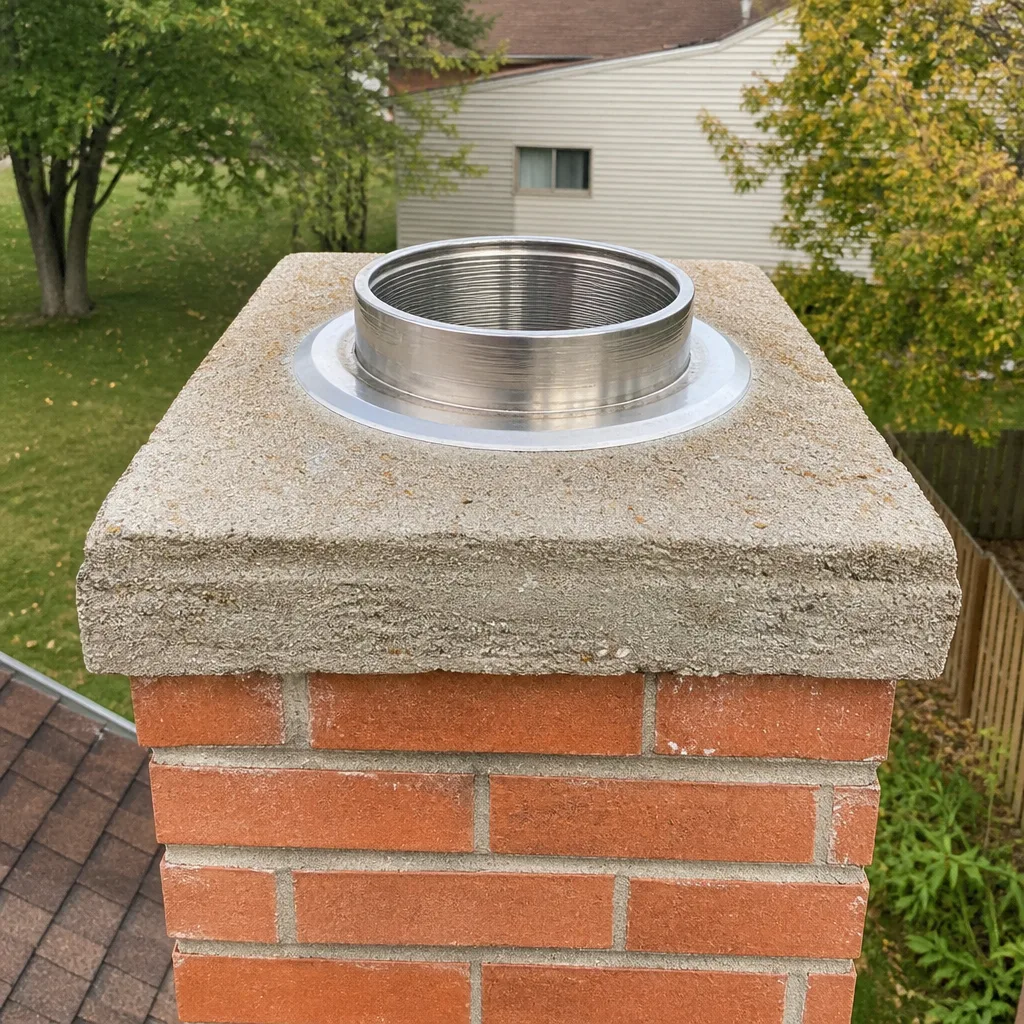
The liner is the vertical channel inside the chimney that contains heat, gases, and sparks. Clay tile liners were standard in Atwater Village construction for generations. Stainless steel liners, like those from DuraFlex systems, are the modern upgrade when clay fails.
- Look for: Hairline cracks, chipped tile edges, gaps between tile sections, or staining on ceiling surfaces around the chimney chase. A camera inspection is the only way to assess liner condition end-to-end.
- Why it fails here: Seismic activity, decades of heat stress, and sudden temperature changes from cool nights to hot fires all contribute to clay tile cracking. We’ve also found liners in this neighborhood that were never sized correctly for the fireplace they serve.
- Action: Cracked clay liners are a repair item, not a wait-and-see item. Options include resurfacing systems like HeatShield, which restores the liner interior without a full rebuild, or full replacement with stainless steel.
4. The Chimney Crown
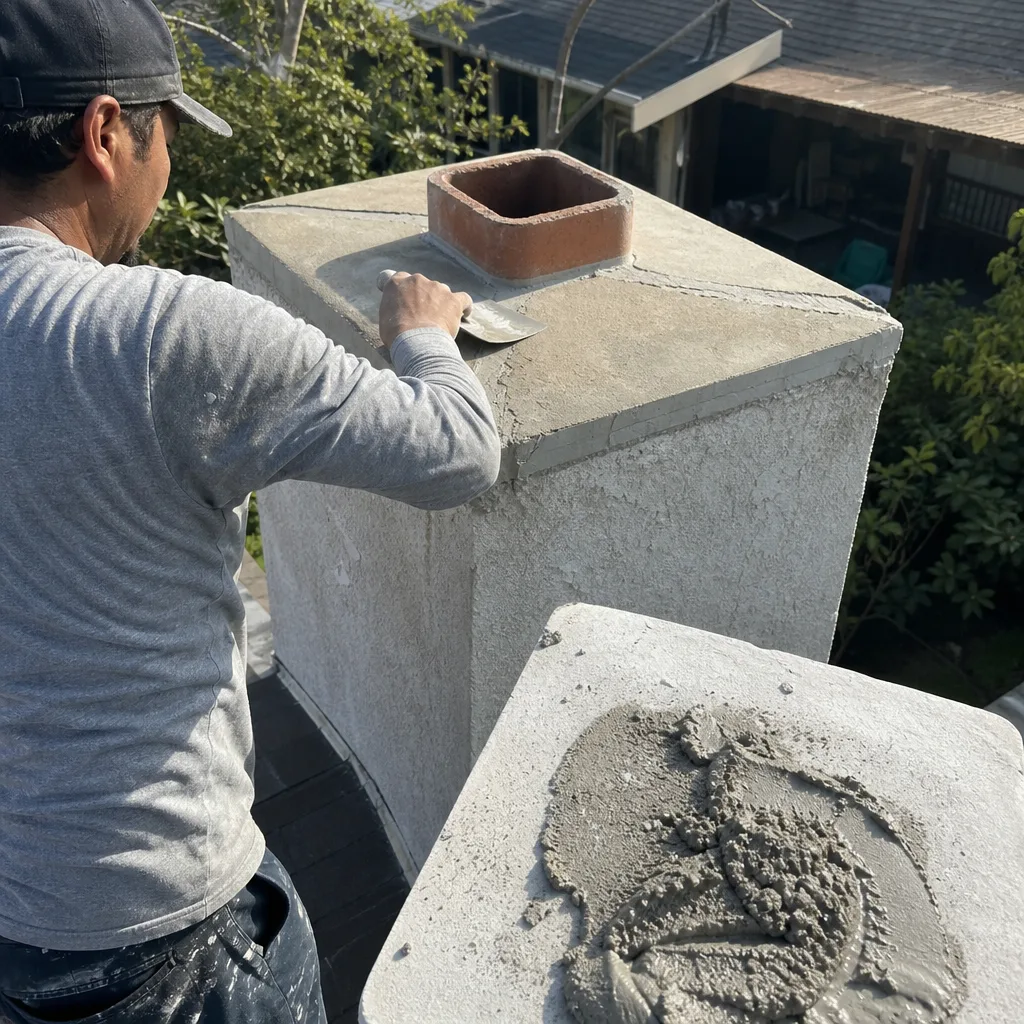
The crown is the concrete or mortar cap at the top of the chimney. Its job is to shed water away from the flue and the masonry below. This is where Southern California’s long dry spells create a false sense of security.
- Look for: Cracks, crumbling edges, standing water on the crown surface, or a crown that’s flush with the chimney face rather than overhanging it.
- Why it fails here: Dry heat accelerates concrete curing and cracking over decades. When the rains finally come, water enters through crown cracks and migrates down through the masonry, causing hidden damage that worsens every year.
- Action: Small cracks can be sealed. A crown that’s significantly deteriorated should be recast. The repair is far less expensive than the water damage a failed crown causes to the chimney breast and surrounding framing.
5. The Chimney Cap and Damper
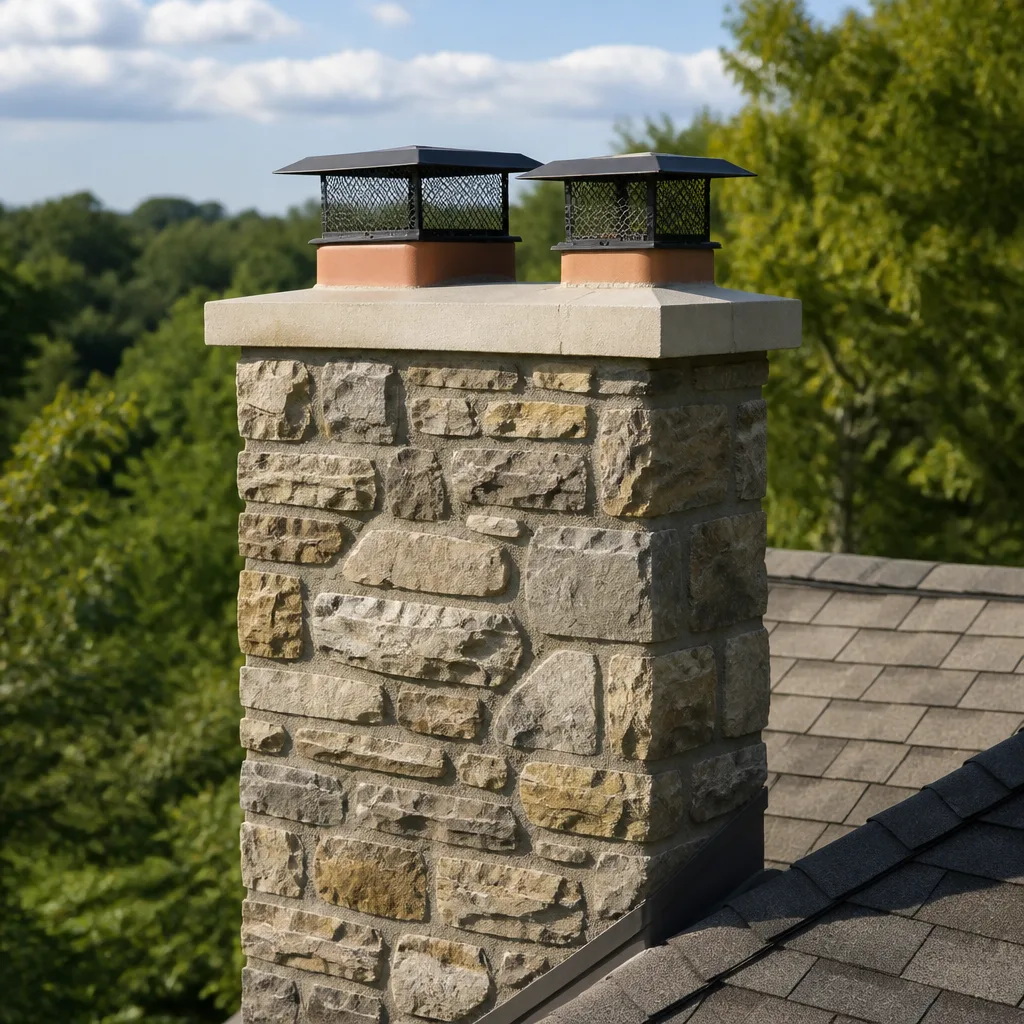
The cap sits at the top of the flue and keeps rain, debris, and animals out. The damper sits just above the firebox and controls airflow. Both are mechanical components that wear and fail.
- Look for: A missing or rusted cap, leaves or nesting material visible at the flue opening, or a damper that doesn’t open and close smoothly.
- Why it fails here: Atwater Village’s combination of dry summers and periodic wet winters is hard on metal components. Rust never fully stops here, even with a cap that’s been regularly painted. Damper cables and handles corrode, and throat dampers in older homes often don’t seal tightly enough to keep conditioned air from escaping up the flue.
- Action: A rusted cap should be replaced before the rainy season. A damper that doesn’t seal properly is an energy efficiency issue year-round in our climate, where cooling costs matter as much as heating. Top-sealing dampers, brands like Copperfield, can replace failing throat dampers and create a much better seal.
6. The Flashing
Flashing is the metal seam where the chimney meets the roof. In a neighborhood with as many hillside tile roofs as Atwater Village, flashing is one of the most common leak sources, and it’s the one most often blamed on the chimney when the actual failure is installation workmanship from decades ago.
- Look for: Gaps between flashing and the chimney face, rusted or lifting flashing, visible sealant that’s cracked or peeling, or water stains on ceilings adjacent to the chimney.
- Why it fails here: Original flashing on 1950s and 1960s homes is often galvanized steel that’s long past its service life. Roof replacements sometimes reuse old flashing or install new flashing poorly around the chimney penetration.
- Action: Flashing issues should be addressed by a chimney repair specialist who understands how chimneys and rooflines interact. A quick roof patch might stop a leak temporarily, but it doesn’t address the underlying chimney-to-roof junction problem.
What a Homeowner Can Safely Check
You don’t need to be a chimney technician to conduct a meaningful visual inspection from the ground and the hearth. Here’s a step-by-step process any Atwater Village homeowner can complete in about twenty minutes. This isn’t a substitute for a professional sweep and inspection. It’s a way to identify obvious issues early and track changes over time.
- Stand in the street and look at the chimney. Is it leaning? Is the cap visible and straight? Does the masonry look the same color and texture as the rest of the house’s exposed brick or stucco? A leaning chimney is a structural concern, not a cosmetic one.
- Inspect the cap and crown from the roofline, if visible. From the ground, a pair of binoculars helps. Look for missing cap pieces, visible cracking at the crown edge, or plant growth in the mortar joints. Plants growing from a chimney are a sign of retained moisture and failing mortar.
- Check the firebox interior. Open the damper, shine a flashlight up, and look at the firebox walls and floor. Light surface cracking is normal. Gaps between bricks, loose bricks, or areas where you can see past the firebox lining are not.
- Operate the damper. Open and close it fully. It should move with resistance but not stick. A damper that’s rusted open wastes conditioned air. A damper that’s rusted shut creates a dangerous situation when someone lights a fire without realizing it’s closed.
- Look for water stains on the ceiling or walls around the fireplace. Water intrusion from the chimney rarely shows up directly at the firebox. It travels, and it often appears a few feet away on a ceiling or an interior wall. Fresh stains after rain are a signal to call for an inspection.
- Document everything. Take photos with your phone, date them, and store them in a home maintenance folder. If you’re doing this checklist seasonally, you’ll build a visual record that makes it easy to spot changes.
What Requires a Technician (and Why)
Some parts of a chimney are simply not accessible without specialized equipment and training. That’s not a sales pitch. It’s a reality of how chimneys are built and how they fail.
The smoke chamber and flue liner cannot be visually inspected from the hearth. A technician needs a camera scope to run the full length of the flue and capture images of the liner interior. This matters because early-stage liner cracking is invisible from any other vantage point, and it’s precisely the kind of damage that becomes a costly repair if left unaddressed. A camera inspection also creates documentation: dated images of the liner condition, which become valuable evidence for insurance purposes and resale disclosures.
Similarly, the chimney crown and flashing require roof access. Walking a tile roof in Atwater Village is not something any homeowner should attempt. Tile roofs are fragile, and the fall risk is real. A technician with roofing and chimney experience can assess the junction between chimney and roof without damaging the tile, and can identify whether a leak is coming from the flashing, the crown, or the masonry itself, which is a distinction that determines the right fix.
Finally, any repair work that involves the liner, the smoke chamber, or structural masonry should be handled by a specialist. These are combustion-safety systems. The difference between a properly sealed liner and a compromised one is the difference between a fireplace that contains its heat and gases and one that doesn’t. That’s not a handyman job.
Seasonal Timing for a Mediterranean Climate
The national advice to “sweep your chimney every fall” makes sense in New England. It’s incomplete for Atwater Village. Here, the practical timing follows a different logic.
The best window for a chimney sweep and inspection in this area is late spring through early fall, roughly May through September. There’s no burning happening, the weather is predictable for roof access, and any repairs identified will have time to be scheduled before the first fireplace evening. Deferred maintenance gets noticed in November when everyone in the neighborhood remembers their fireplace exists, but the pro who can do meaningful inspection work is the one who can get on the roof in June without racing the season.
That said, a chimney that’s used regularly during our brief winter season should be checked before that season starts, even if the last sweep was only a year prior. Creosote accumulation depends on burn frequency, wood type, and burning habits, not the calendar. Burning a cord of wood over a short, intense season can produce as much creosote as a full winter of casual use in a colder climate.
If you only burn a fire a few times a year, after heavy rain or during the December holidays, an annual sweep is likely more than enough. But that annual sweep should still include a visual inspection, because the chimney’s non-use months are when cap rust, crown cracking, and animal intrusion happen quietly.
Documentation: Insurance, Resale, and the California Reality
Here’s what most chimney guides gloss over: maintenance documentation has legal and financial weight in California, and homeowners who treat chimney records as optional may find themselves on the wrong side of a claim or a disclosure form.
California law requires sellers to disclose known material facts about a home’s condition, and that includes any chimney issues that could affect value or safety. If you’ve had a chimney swept and inspected and have the documentation, you have a clean disclosure. If you haven’t, you’re in the position of either disclosing uncertainty or not disclosing at all, and the latter is where problems start.
For insurance, documentation functions differently. An insurance company responding to a fire claim will examine maintenance history as part of their review. A chimney that’s been swept and inspected regularly, with written records, helps establish that the homeowner was meeting reasonable maintenance obligations. A chimney that’s never been inspected is harder to defend.
What should you keep? Three things: a dated record of each sweep (which should include the technician’s name and company), the written inspection findings including any recommendations, and the camera inspection images if they were provided. Store these digitally and physically. A folder on your phone and a file in a drawer covers both bases. We recommend asking for camera inspection images specifically. Some companies provide them by default; others will if you request them. Those images are the most concrete evidence you can hold about the condition of your liner.
Red-Flag Conditions That Should Pause Fireplace Use
Not every chimney issue is a gradual thing. Some conditions are immediate stop signs. These aren’t scare tactics. They’re specific physical conditions that indicate the fireplace is no longer doing its job of containing heat and combustion gases, and the right move is to stop using it until a professional has assessed it.
- Smoke entering the room instead of drafting up the flue. This indicates a draft problem that could be caused by a blocked flue, a closed damper, negative air pressure in the house, or significant liner damage. A fireplace that spills smoke into the living room is also spilling carbon monoxide.
- A visible crack or gap in the firebox that exposes anything behind the brick. The firebox’s job is to isolate fire from the home’s framing. A through-crack defeats that purpose.
- Water actively dripping into the firebox during rain. Active water intrusion means the chimney’s water-shedding system has failed somewhere, and continuing to burn against a wet chimney accelerates liner and masonry damage.
- A strong creosote smell even when the fireplace isn’t in use. Creosote has a pungent, smoky, asphalt-like odor. If you can smell it without a fire burning, there’s likely significant accumulation, and that’s a fire hazard waiting for ignition.
- Rust stains or staining on the chimney exterior that appeared suddenly. Sudden rust suggests the cap, damper, or flashing has failed and moisture is being held against metal components. Rust is never isolated. Where rust appears, water is working its way into the masonry.
- Flakes of clay tile at the bottom of the fireplace or in the ash pit. Liner material falling into the firebox means the liner is actively failing. That’s not a maintenance item. That’s a repair item.
If you observe any of these conditions, the guidance is straightforward: don’t use the fireplace, and schedule a professional inspection. None of these will resolve themselves, and most will worsen with continued use.
Common Mistakes to Avoid
- Assuming no fires means no maintenance. The months your fireplace sits unused are when caps rust, crowns crack, and animals move in. In Atwater Village, where chimneys sit dormant eight months a year, this is the most common mistake we see. An annual inspection matters even if you never light a fire.
- Treating the chimney and the dryer vent as separate problems. They’re different systems, but they share a failure mode: deferred maintenance leading to a fire hazard. A homeowner who’s diligent about fireplace care but hasn’t cleaned a dryer vent in years has addressed half their combustion-safety exposure. Dryer vent cleaning in Atwater Village addresses one of the most common household fire hazards in the same visit that handles the chimney.
- Relying on chemical creosote logs as a substitute for sweeping. Creosote-removal logs can help loosen some creosote deposits, but they don’t remove them from the system. The loosened material still needs to be physically swept out. Using a chemical log and then burning a fire without sweeping can actually increase risk in some cases.
- Ignoring roof-level components because they’re out of sight. The cap, crown, and flashing are where most water intrusion starts, and they’re the parts most homeowners never look at. If you can’t safely see the top of your chimney from the ground, have a technician look at it. The cost of an inspection is trivial compared to the cost of a water-damaged ceiling.
- Burning unseasoned wood and blaming the chimney for poor drafting. A fireplace that smokes on startup might have a draft problem or a blocked flue. But it might also be burning wet wood that’s smoking excessively and not producing enough heat to establish a draft. In our dry climate, properly seasoned firewood is easier to come by than in humid regions, but it still needs to be split and stacked for six to twelve months before burning.
- Waiting until November to call. November is when every chimney professional in Los Angeles is booked. The homeowner who schedules an inspection in July has time to complete any recommended repairs before the first fire. The homeowner who calls in November is hoping nothing’s wrong when the technician finally arrives.
- Not keeping records. We covered this in the documentation section, but it bears repeating: a chimney maintenance file is not optional paperwork. It’s evidence. Keep the sweep records, the inspection findings, and the images. You may never need them for an insurance claim, but if you do, you’ll be glad they exist.
When to Call a Professional
Call a chimney professional if you see any of the red-flag conditions listed above, if it’s been more than a year since your last inspection, if you’re moving into a home with an uninspected chimney, or if you’re planning to sell and need documentation for disclosure. Call before you list, not after a buyer’s inspector raises questions. Pearl Chimney Cleaning offers free estimates in Atwater Village. Call (833) 630-4048 to schedule an inspection. If you’re new to the area or haven’t had your chimney looked at recently, start with a chimney sweep in Atwater Village that includes a full visual and camera inspection.
For homeowners who want to understand the full scope of what a sweep involves before booking, our Pearl Chimney Cleaning home page covers our approach to inspection, documentation, and repair. If the inspection reveals liner damage or a water intrusion issue, our chimney repair in Atwater Village services handle the fix using brand-name components we’ve already discussed, including DuraFlex liner systems, HeatShield resurfacing, and Copperfield caps and dampers. You’ll know what’s wrong, what it costs to fix, and what it looks like, because the camera evidence is part of the report we give you.
Frequently Asked Questions
Once a year is the practical answer for most homes, even if you only burn a few fires each season. The inspection matters as much as the sweeping. If you burn regularly through our short winter season, consider an additional visual check mid-season. If you never use your fireplace, an annual inspection still catches cap rust, crown cracking, and animal intrusion before they become expensive repairs.
A standard chimney sweep and inspection in the Atwater Village and greater Los Angeles area typically runs between $180 and $350. The range depends on chimney height, roof access difficulty, and the condition of the system. Homes with steep or tile roofs on hillside lots sometimes cost more because access takes longer. Pearl Chimney Cleaning provides free estimates in Atwater Village. Call (833) 630-4048 for an exact quote.
Yes, if you want to know the actual condition of your liner. A visual sweep inspects what’s reachable from the top and bottom, but a camera inspection documents the entire liner length. Early-stage cracking, hidden gaps, and areas of corrosion are invisible without a scope. For a homeowner moving into an uninspected home or preparing for resale, a camera inspection is the difference between knowing and guessing.
The realistic answer is that most skipped maintenance causes gradual damage rather than sudden catastrophe. But the gradual damage compounds. A cracked crown lets water in, which damages mortar, which widens cracks, which allows more water, which eventually destroys interior masonry and potentially framing. Creosote builds up until a hot fire ignites it. The problem is that by the time the damage is visible from the living room, it’s often structural. The annual inspection catches it when it’s still a maintenance item.
They’re separate systems, but they’re both combustion-safety issues. A clogged dryer vent is one of the leading causes of household fires in the United States, and the failure mode is the same as a creosote-laden chimney: heat, fuel, and a restricted exhaust path. Pearl Chimney Cleaning handles dryer vent cleaning in Atwater Village as part of our combustion-safety focus, which means we’re looking at your home’s venting systems comprehensively rather than one system in isolation. Call (833) 630-4048 to schedule both in one visit.
You can, but most homeowners in Atwater Village shouldn’t, and here’s why. First, roof access on many of these homes involves tile roofs and sloped lots, which makes fall risk a genuine concern. Second, DIY sweeping without inspection equipment means you’re cleaning without knowing whether the liner is damaged. And third, the cleaning itself, if done incorrectly, can push creosote into the smoke chamber rather than removing it fully. The equipment cost for a proper sweep, including brushes, rods, and safety gear, approaches the cost of a professional sweep. It’s one of the few home maintenance tasks where the professional service costs about the same as a serious DIY attempt.
The Bottom Line
A chimney maintenance checklist is not a seasonal chore. It’s a diagnostic framework that keeps you ahead of deferred problems, and in California’s current insurance climate, it’s documentation that protects you when something goes wrong. Check what you can see from the hearth and the ground. Let a professional handle the smoke chamber, liner, and roofline. Keep written records and camera images. Sweep annually in the late spring or early summer, before the November rush. And if anything looks wrong, stop using the fireplace until it’s been assessed. A fireplace that’s properly maintained isn’t a risk. A fireplace that’s ignored is a liability, and in Atwater Village, that liability grows quietly through every dry season and every rain.
Written by the team at Pearl Chimney Cleaning, serving Atwater Village since 2013.
See the difference
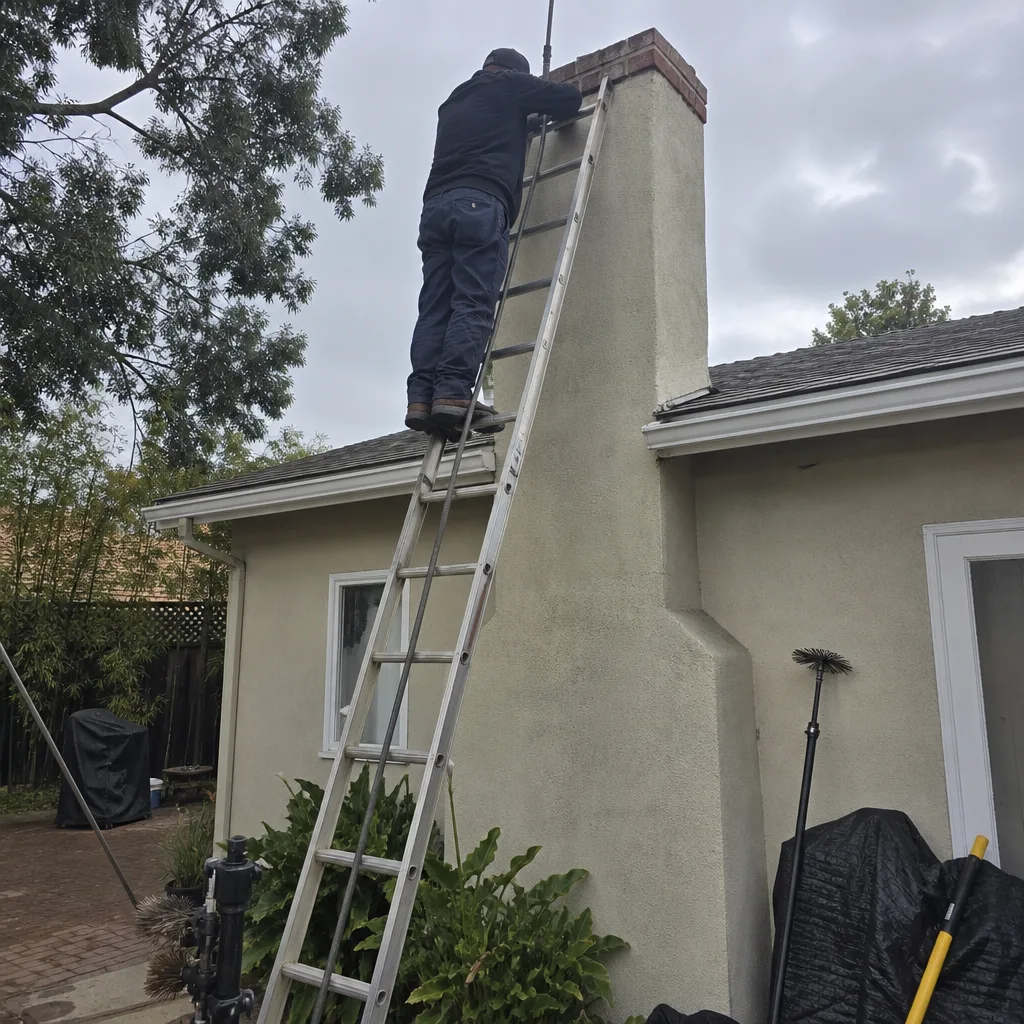 Before
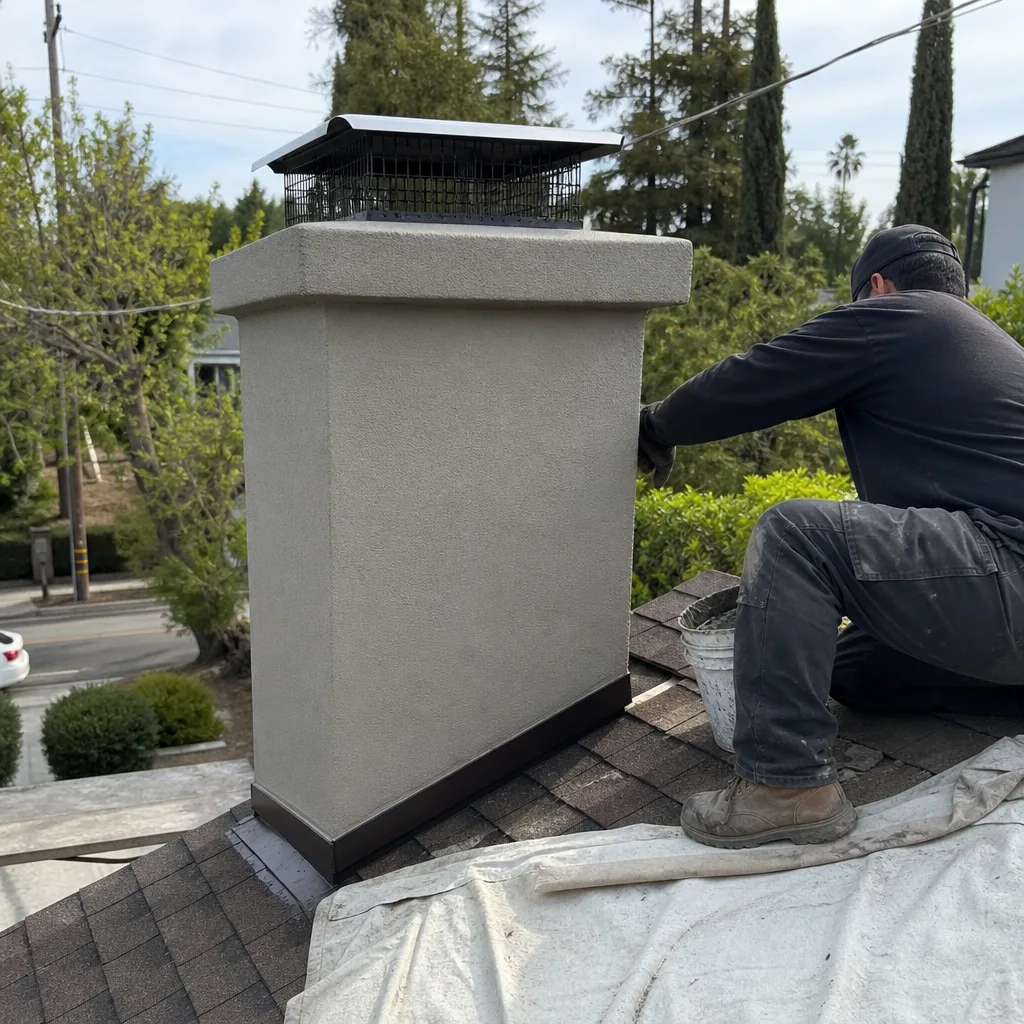 After
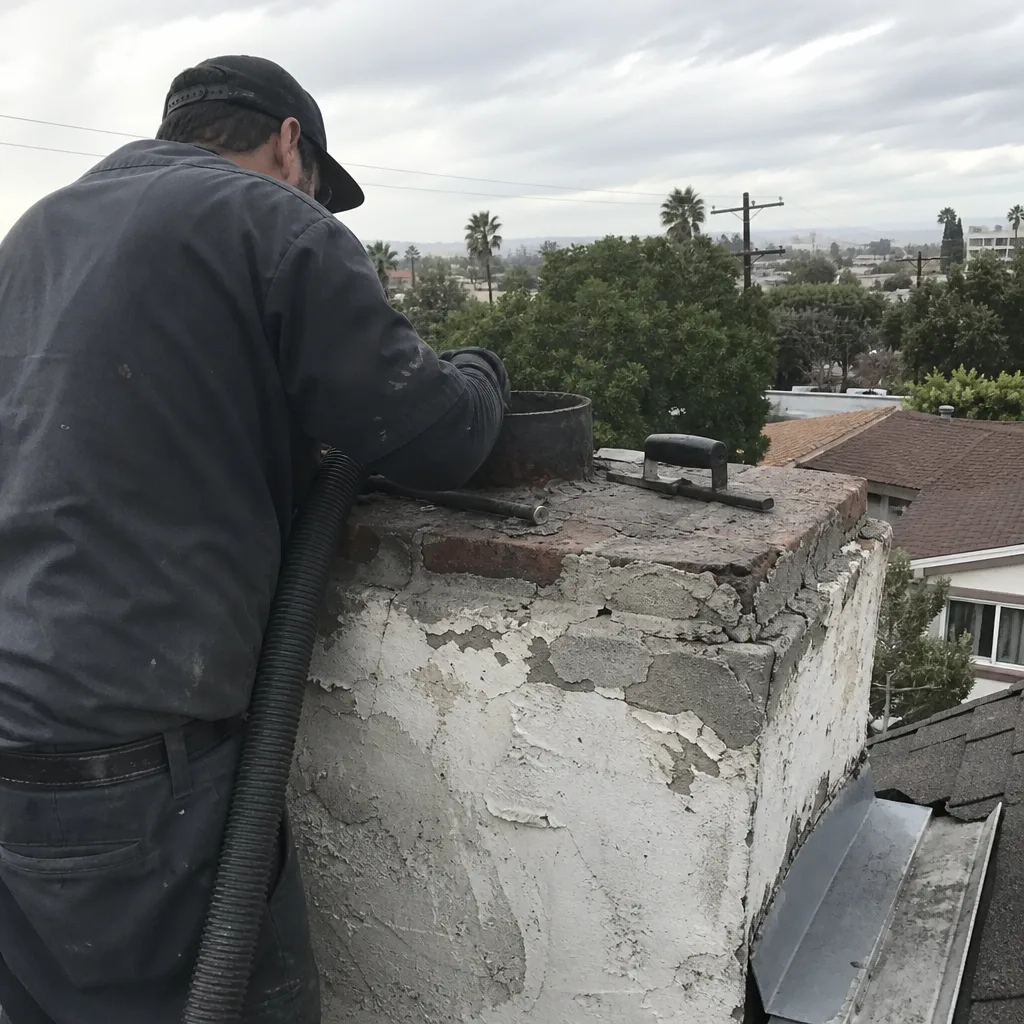 Before
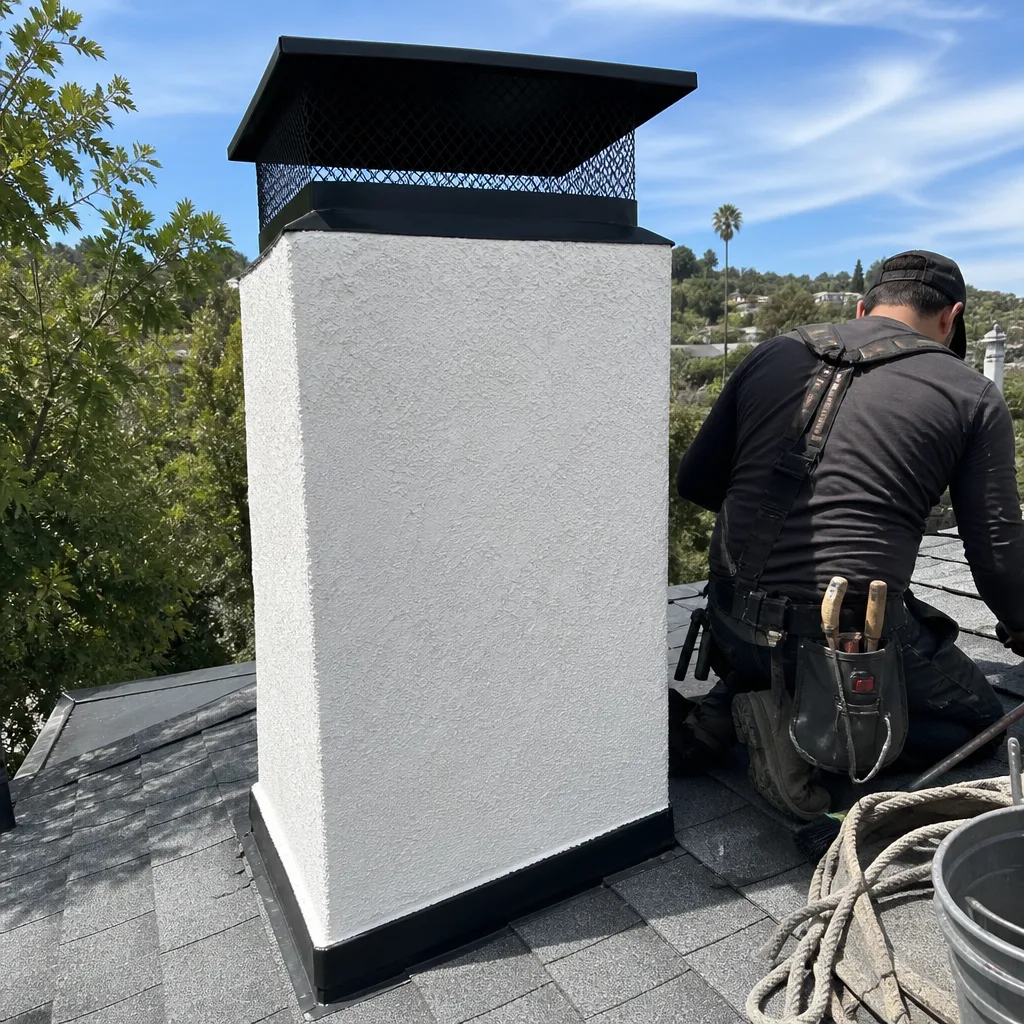 After
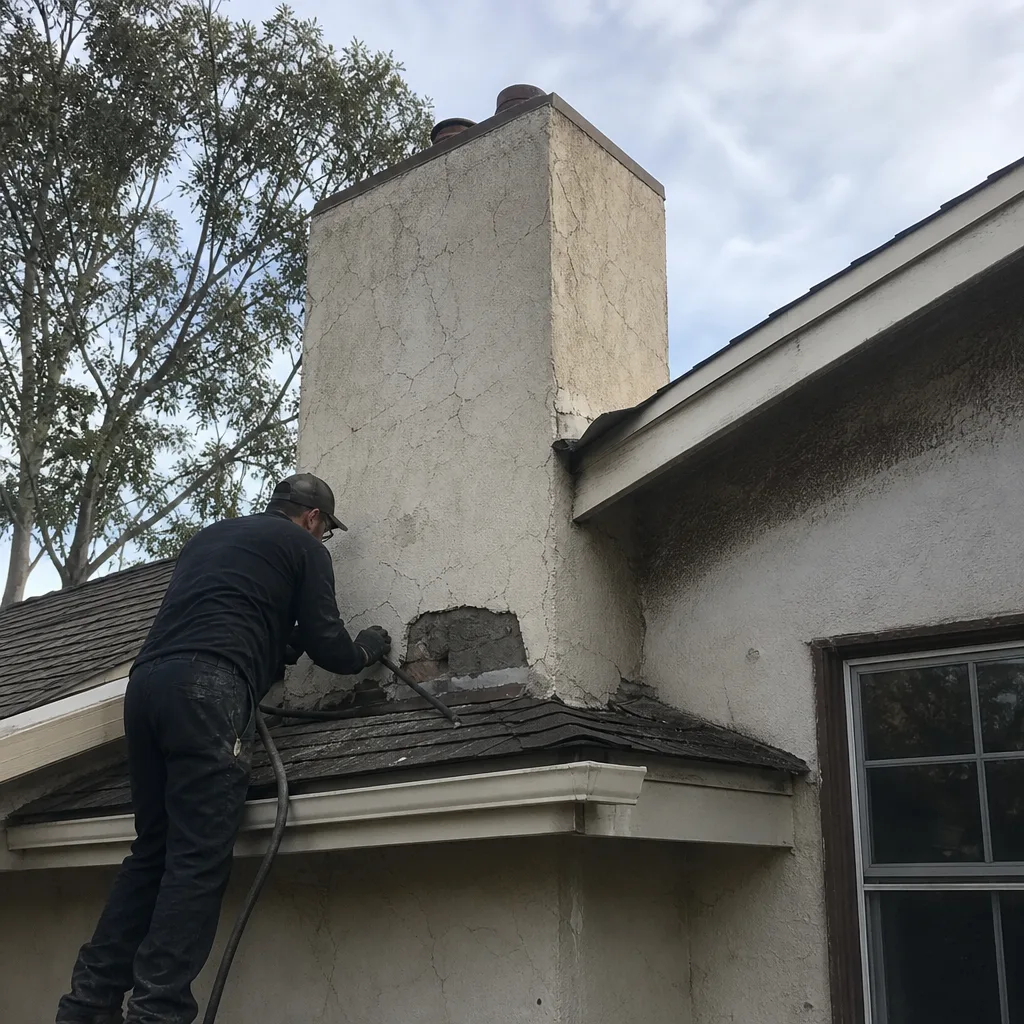 Before
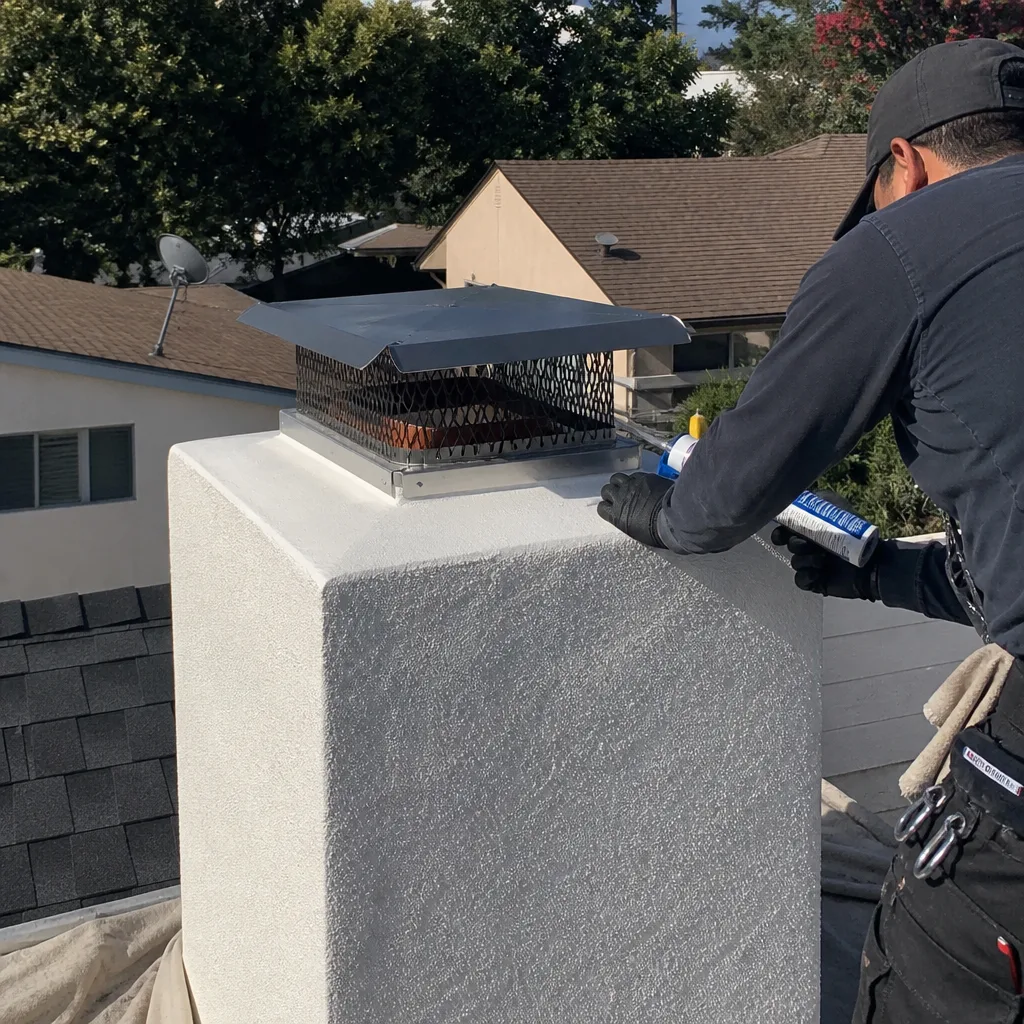 After