
Last updated November 2, 2026
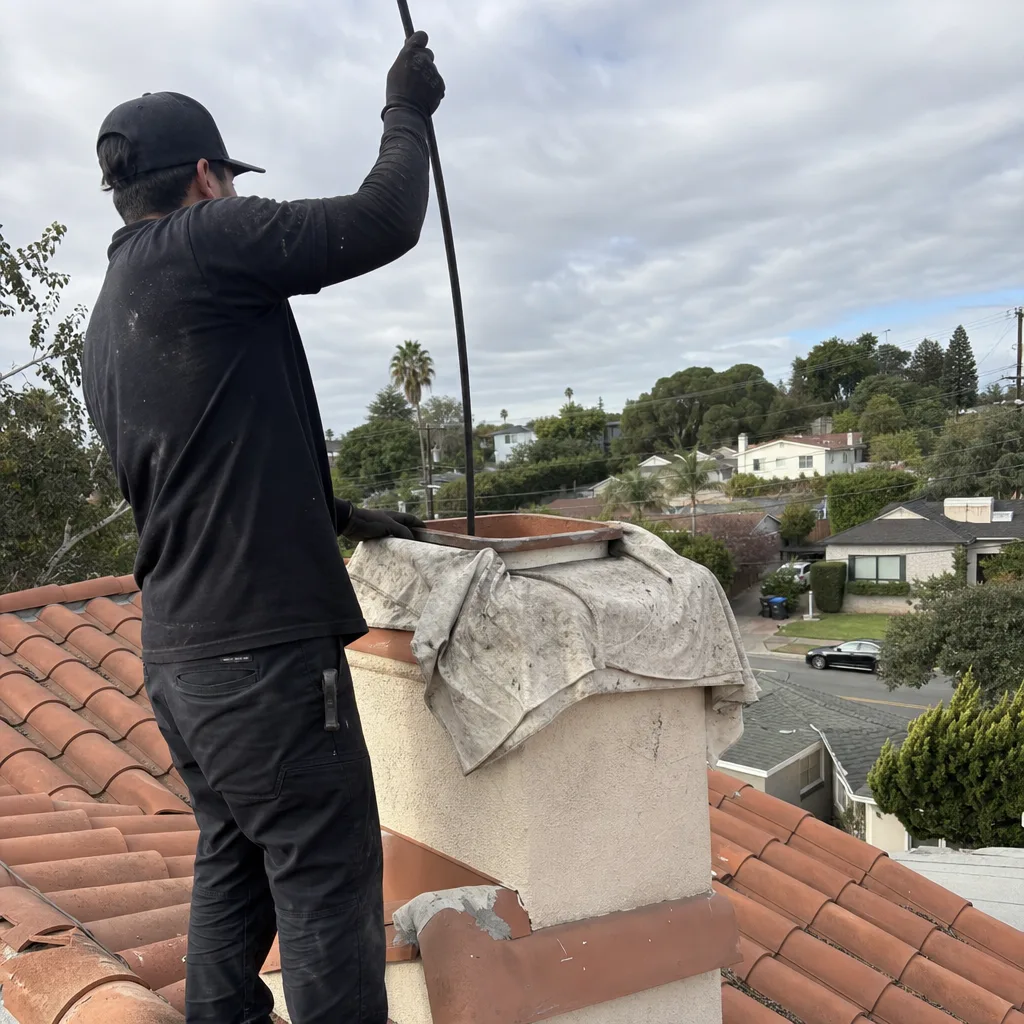
 Sweep & inspection
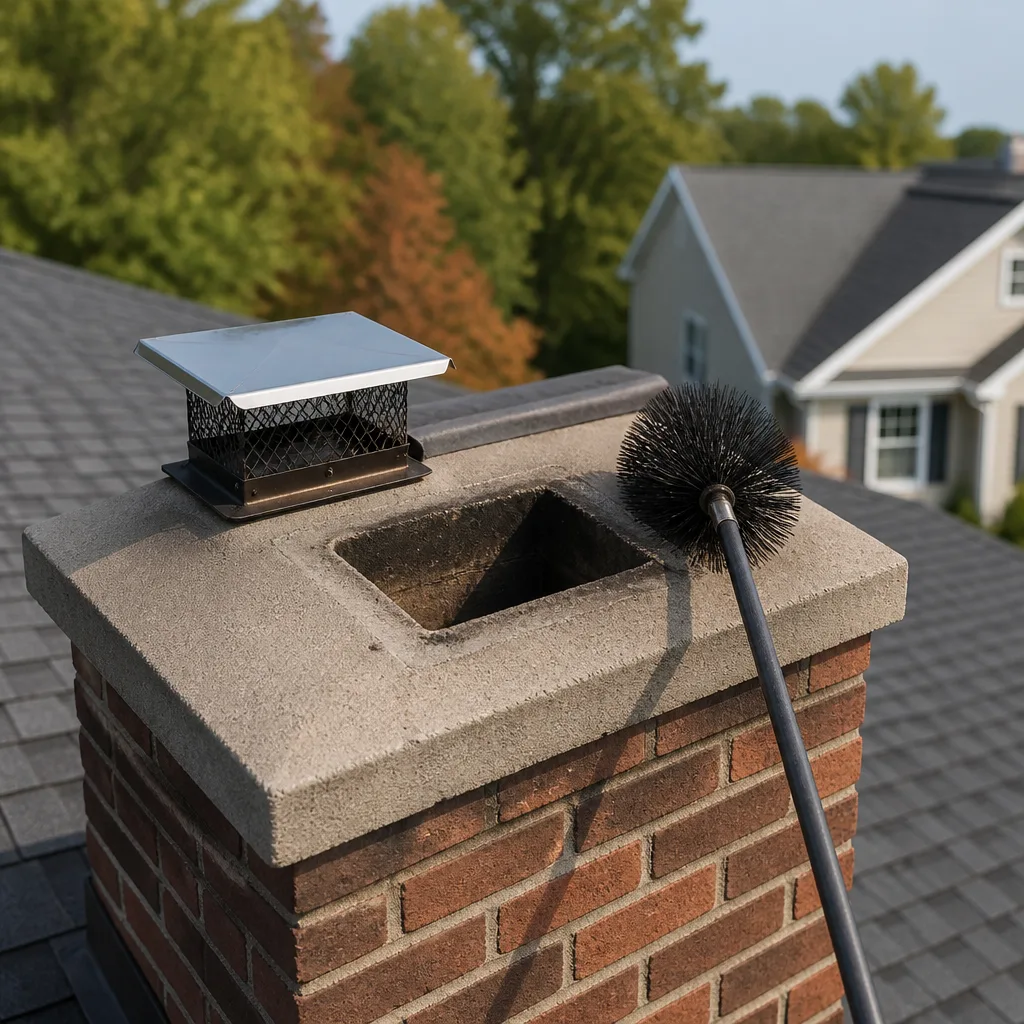
 Caps & crowns
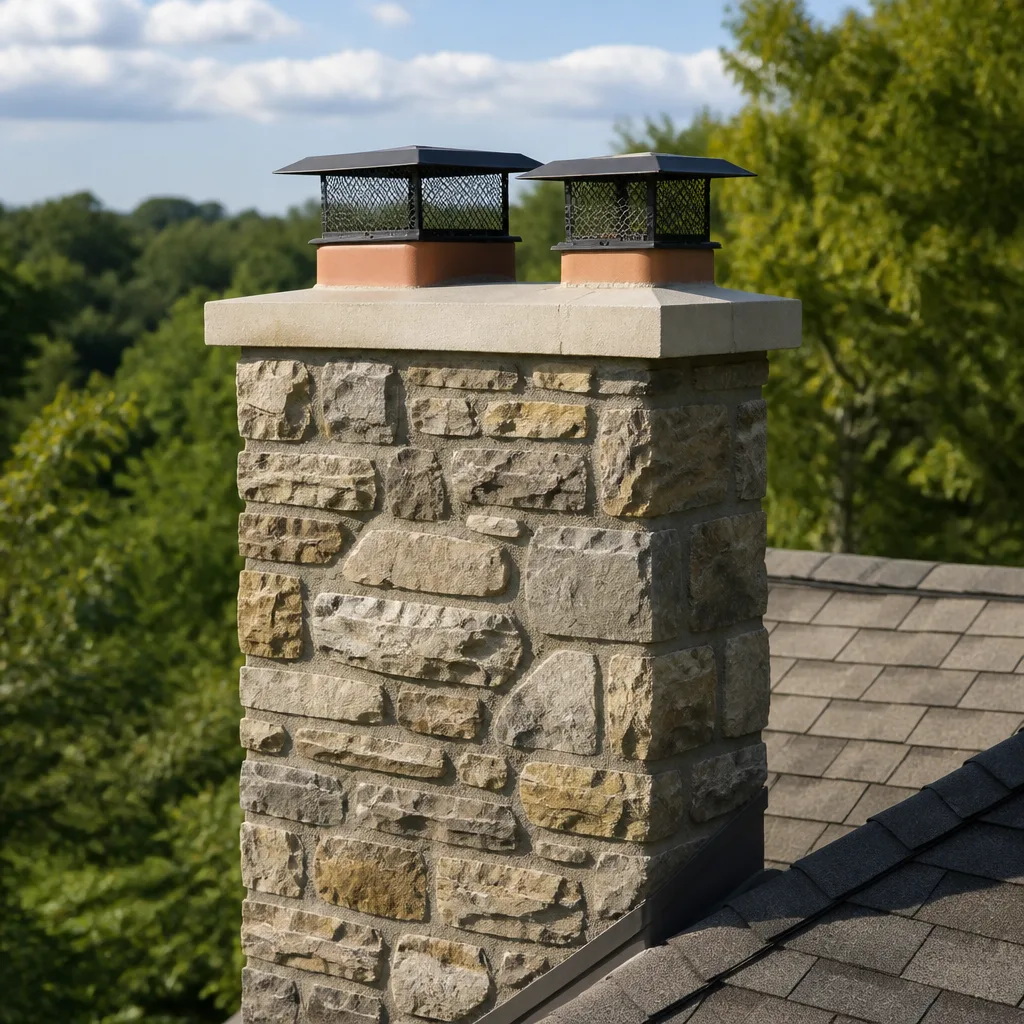
 Flue relining
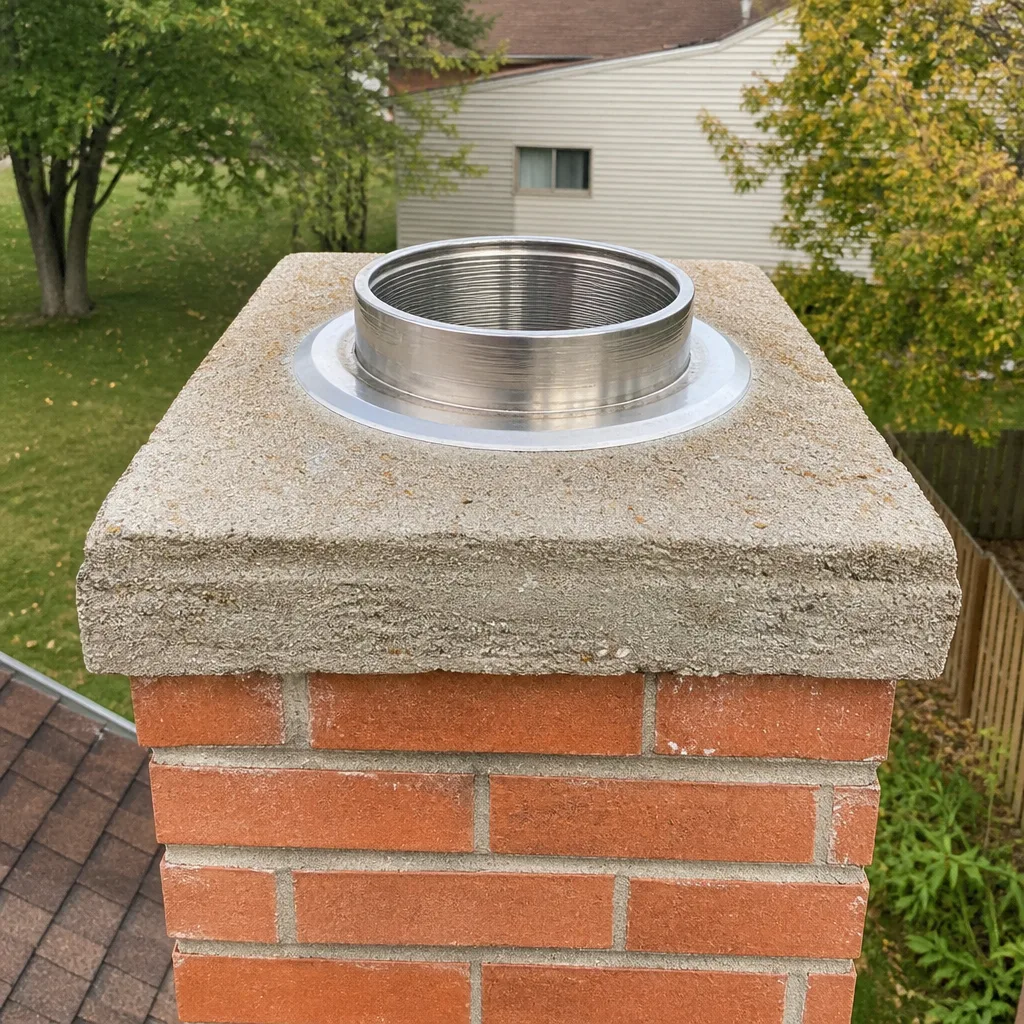
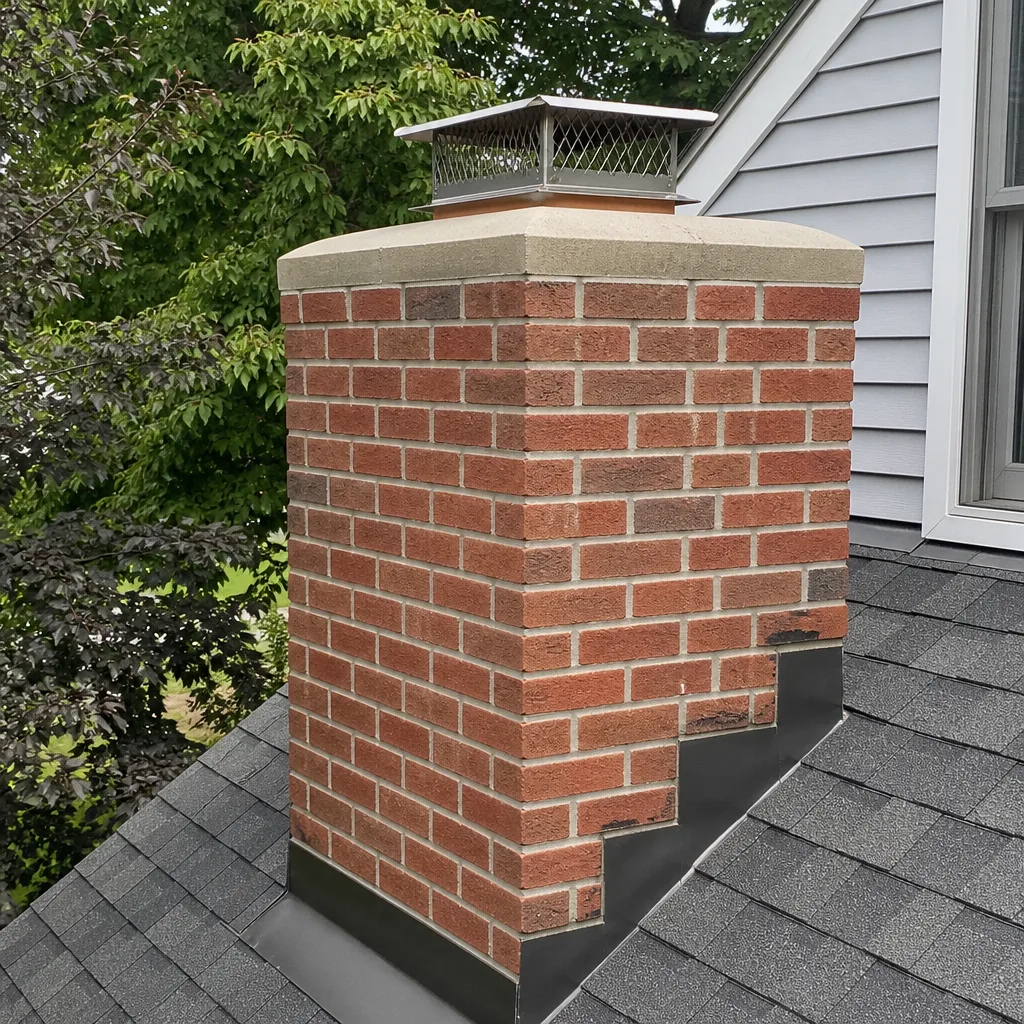 Masonry repair
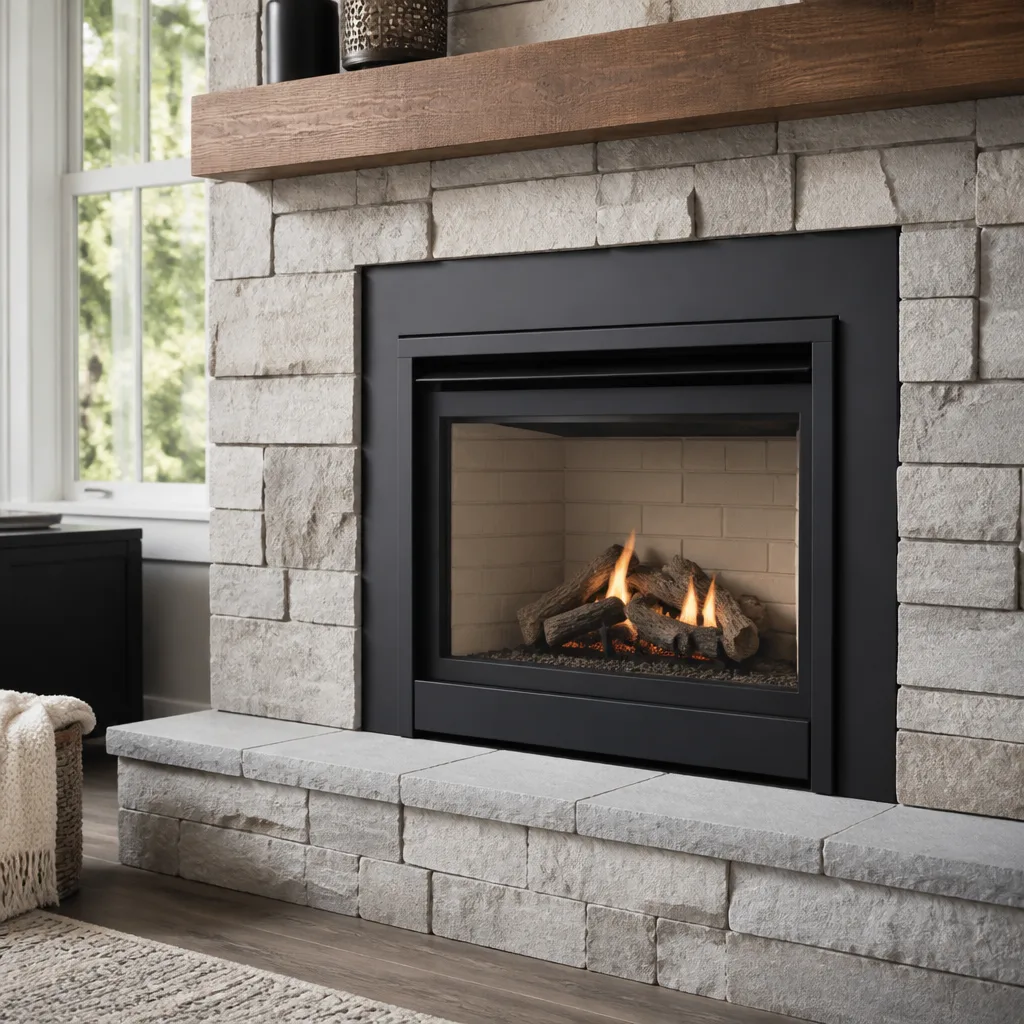 Gas fireplace service
Level 1 sweep and inspection to the NFPA 211 annual standard - flue, crown, cap, and flashing checked and photographed
Chimney sweep logs do not sweep chimneys. They loosen some creosote - which then falls where a brush and vacuum still have to collect it.
Chimney Sweep Troubleshooting: Common Problems and How to Fix Them
If your fireplace smokes into the room, every forum says “open the damper.” But in a tight modern house with good insulation, the real cause is often negative air pressure, and no amount of damper adjustment will fix it. That’s the frustrating truth about chimney problems: what you see is rarely what’s actually wrong. In Atwater Village, where 1920s Spanish bungalows sit next to fully sealed new builds, we see this exact misdiagnosis every week. This guide works backward from what you’re experiencing to what’s actually failing, and tells you which problems a chimney sweep solves same day versus which need liner or structural work.
Quick Answer
Most chimney symptoms trace to one of five root causes: creosote buildup, moisture intrusion, negative house pressure, a deteriorated flue liner, or structural damage to the cap, crown, or flashing. A professional chimney sweep with camera inspection can identify which one you’re dealing with in under an hour. For The Complete Chimney Sweep Guide for Atwater Village Homeowners, see our detailed breakdown. What you should never do is buy a fix for a symptom before you know the cause.
Styles & brands we work with
- Sweep & inspection
- Caps & crowns
- Flue relining
- Masonry repair
- Gas fireplace service
Table of Contents
- Smoke in the Room: It’s Not Always the Damper
- Chimney Odor: Summer vs. Winter Tells You the Cause
- Slow Ignition and Weak Draft
- Draft Reversal: When Your House Fights the Fireplace
- Visible Debris and Animal Entry
- Moisture Problems: Water Is the Chimney’s Worst Enemy
- Liner Damage: The Problem Sweeping Cannot Fix
- Common Mistakes to Avoid
Smoke in the Room: It’s Not Always the Damper
When smoke rolls into your living room, the impulse is to check the damper. That’s reasonable. But here’s what we’ve learned from hundreds of Atwater Village inspections: a closed damper accounts for maybe a third of the smoke complaints we see. The other two-thirds are more subtle, and most homeowners cannot diagnose them without opening the system up.
Before you assume the damper, rule out the simplest things in order:
- Confirm the damper is actually open. Reach up with a flashlight and look. Some older dampers stick in the half position, which looks open from below but chokes the flue.
- Prime the flue. In cold weather, a column of cold, dense air sits inside the chimney. Light a rolled newspaper and hold it up near the damper opening for 30 to 60 seconds before you light the main fire. This warms the flue and establishes upward draft.
- Check your windows. If a window or door on the same floor is open, you can create a cross-pressure that pushes smoke into the room. Close it and see if the smoke behavior changes.
- Consider house pressure. If you’ve recently replaced windows, added insulation, or been running an exhaust fan, the problem may be negative pressure, which we cover in the draft reversal section below.
If the damper is open and the flue is primed and smoke still enters the room, the cause is usually an obstruction or a creosote restriction. In Atwater Village, where many homes have older uncapped flues, leaves, bird nests, and even raccoon debris routinely reduce the flue opening. A restricted flue cannot move smoke efficiently, and the smoke finds the path of least resistance: back into your house. This is a safety situation, not just a nuisance. Creosote restriction is also the leading cause of chimney fires. If your fireplace has not been swept in two or more burning seasons, make the call before you make the next fire.
Chimney Odor: Summer vs. Winter Tells You the Cause
The smell coming from your fireplace is the most accurate diagnostic clue you have. What it smells like and when you notice it narrows the cause down quickly.
Summer Odor (Warm, Humid Days)
If you notice the smell on hot, humid days and you haven’t burned a fire in months, the cause is almost always moisture combining with creosote inside the flue. Creosote is a byproduct of wood combustion. It builds up as a sticky, tar-like coating on the flue walls. When humidity rises, the creosote absorbs moisture and volatilizes, releasing a sharp, acrid, asphalt-like smell into the house. The fix is not air freshener. The fix is a professional sweep to remove the creosote entirely. A properly swept flue smells neutral, even in August.
Winter Odor (During or After Burning)
An odor you notice during burning season points to draft failure. If the flue cannot evacuate combustion gases efficiently, they linger and leak into the house. This can smell like smoke or like an unexplained “campfire” scent in rooms far from the fireplace. In some cases, a poorly drafting chimney pulls fumes backward through the furnace vent or water heater flue, which is a carbon monoxide risk. This is not a smell to troubleshoot by trial and error.
A persistent musty or mildew-like smell is different from creosote odor. That points to water entry through a cracked crown, missing cap, or failed flashing, and requires a water leak repair in addition to the sweep. Pearl Chimney Cleaning uses camera inspection on every service call so you can see for yourself whether the odor source is creosote, water, or structural damage. Nothing gets recommended without visual evidence.
Slow Ignition and Weak Draft
A fire that starts reluctantly, burns weakly, or goes out unless you keep feeding it oxygen has a simple underlying problem: the chimney is not pulling air well enough to sustain combustion. There are several possible causes, and they range from trivial to serious.
Flue height above the roofline. For adequate draft, the top of the flue needs to be at least two feet higher than anything within ten feet of it. If you have a single-story home and a neighbor built a taller addition next door, your chimney may suddenly fail to draw. In Atwater Village, where lot lines are tight and additions are common, we see this happen.
Flue diameter relative to fireplace opening. This is a design issue we encounter in older Atwater Village homes. If the flue is too small for the firebox, the chimney cannot move enough air no matter how clean it is. This usually requires a liner evaluation and sometimes a liner retrofit.
Creosote buildup. Even a quarter inch of creosote coating reduces draft noticeably. A half inch is a chimney fire waiting to happen. The National Fire Protection Association says chimneys should be swept when creosote reaches one-eighth of an inch. Most homeowners wait far longer.
Cold flue syndrome. On cold days with no preheating, the chimney can refuse to draft until the flue warms up. Priming the flue with a lit newspaper for 30 to 60 seconds usually solves this. If priming does not work, the issue is deeper.
Draft Reversal: When Your House Fights the Fireplace
Modern homes are built tight. Double-pane windows, spray foam insulation, and house wrap mean very little outside air infiltrates the envelope. That’s great for your energy bill, but it creates a problem for anything that burns fuel indoors. When your furnace, water heater, kitchen exhaust fan, or bathroom fan pulls combustion air from inside the house, the house becomes slightly negative relative to outside. The chimney becomes the easiest path for outside air to enter, and it starts pulling air down instead of exhausting air up.
This is the “negative pressure” problem you may have read about. Here is how to identify it:
- Smoke enters the room when the fireplace is lit and a competing appliance is running (furnace, range hood, clothes dryer).
- The draft improves dramatically when you crack a window or door open near the fireplace.
- You smell the fireplace more when the house is sealed up tight in winter than when windows are open.
If you have this problem, the fix is rarely a chimney sweep. You need to address the house pressure balance: add outside combustion air to the fireplace or the mechanical room, install a vented gas log system, or replace an aging damper with a top-sealing damper that blocks reverse flow when the fireplace is not in use. This is a diagnosis Pearl Chimney Cleaning performs during a standard service visit. We check your house pressure alongside the flue condition, because fixing a draft problem by sweeping an already-clean chimney does not change the symptom you called about.
Visible Debris and Animal Entry
If you see leaves, twigs, or animal nesting material falling into your firebox, the diagnosis is straightforward: your chimney is uncapped, or the cap is damaged. In Atwater Village, the tree canopy is dense in many neighborhoods, and uncapped flues collect organic debris fast.
Debris does two things. First, it blocks the flue, which reduces draft and increases creosote accumulation. Second, it serves as fuel if a spark reaches it. A bird nest inside a flue is an immediate fire hazard and should be removed before the next fire. If you hear scratching, chirping, or rustling in the chimney, an animal is living in it. Do not light a fire until it’s gone.
The fix is a properly sized chimney cap with a mesh screen. We install, among other professional-grade chimney components, caps and caps-and-damper combos from our Chimney Repair stock. A good cap keeps out rain, animals, and leaves while allowing the flue to exhaust properly. If you already have a cap and debris is still getting in, the cap is damaged or the wrong size.
Moisture Problems: Water Is the Chimney’s Worst Enemy
Chimneys are built to handle heat, not water. Every chimney component that fails from exposure to rain, snow, or humidity does so slowly, but the damage compounds. In Atwater Village, where winters bring heavy rain and mornings bring marine fog even in summer, moisture management matters year-round.
The crown. The concrete cap on top of the chimney is the first line of defense. When it cracks, water seeps into the masonry below. Over years, this causes spalling (the brick face falling off), efflorescence (white staining), and mortar joint failure. A cracked crown needs repair before it destroys the chimney structure.
The flashing. Where the chimney meets the roof, sheet metal flashing prevents water entry. Bad flashing shows up as water stains on the ceiling near the chimney, usually only during heavy rain. This is a roof-side repair, but the chimney needs to be evaluated at the same time.
Absorbed water. Even with a good crown and flashing, brick and mortar absorb water. Over the long term, this is why chimneys lean or collapse. Waterproofing with a vapor-permeable sealant is a standard part of structural maintenance for Atwater Village homes.
Moisture problems do not resolve themselves, and they cannot be fixed by sweeping. They require repair. Pearl Chimney Cleaning performs full structural evaluation alongside every sweep, so if your chimney has a water problem, you’ll see it in our camera report and know what it will take to fix it.
Liner Damage: The Problem Sweeping Cannot Fix
The flue liner is the critical safety component inside your chimney. It protects the masonry from heat, contains combustion gases, and gives the flue a smooth surface for good draft. When the liner cracks, flakes, or crumbles, the chimney is unsafe, and no amount of sweeping repairs it.
Liners fail for a few reasons. In older Atwater Village homes, clay tile liners are common. Clay tiles crack under the thermal stress of repeated heating and cooling, and they cannot withstand a chimney fire. When a tile cracks, gaps open up where heat and gases can reach the masonry. That’s how chimney fires spread to the house.
In newer homes and some retrofits, stainless steel liners are standard. These last longer but can still corrode, especially in coastal-adjacent air. If the liner shows through-wall rust or separation at the seams, it needs replacement.
The fix options are a resurfacing system like Pearl Chimney Cleaning home installs with HeatShield, or a full stainless liner installation using DuraFlex components. HeatShield is a ceramic refractory material applied inside the existing flue to seal cracks and restore structural integrity. DuraFlex is a seamless stainless steel liner sized to your exact flue dimensions. Both are code-compliant, warrantied systems we source directly. The right choice depends on the condition of your existing flue, the type of appliance venting into it, and your long-term plans for the fireplace. We’ll show you camera footage of the liner condition and discuss your options honestly, including when the right call is to do nothing because the system is still safe.
Common Mistakes to Avoid
- Lighting a fire when the chimney smells strongly. Odor is a symptom. If the flue is blocked or the liner is compromised, you’re lighting a fire in a system that cannot contain it. Have the chimney inspected before the next burn.
- Assuming a sweep will fix every chimney problem. A sweep removes creosote and debris. It does not repair cracked liners, bad flashing, or failed caps. If a company sweeps your chimney and does not report what the camera found, you paid for a partial diagnosis.
- Buying a liner because a sweep “recommended” one. Always ask for camera footage. A legitimate liner recommendation includes images showing the cracking, spalling, or gap that creates the risk. If the evidence is not shown, get a second opinion.
- Ignoring chimney odor in summer. Summer odor means creosote is absorbing moisture. It is a maintenance issue that will compound into a safety issue. The sweep is inexpensive relative to the cost of ignoring it.
- Running exhaust appliances with the fireplace going. Range hoods, bathroom fans, and dryers pull combustion air out of the house. This is the fastest way to turn a normally functioning fireplace into a smoke machine.
- Waiting until fall to schedule a sweep. Chimney professionals in Atwater Village book out weeks ahead of the burning season. If you schedule in August, you’ll have a clean flue before the first cold snap, and you’ll know about repair needs before the rainy season.
- Fixing the symptom instead of the cause. Smoke in the room, a damp smell, or a weak flame each have multiple possible causes. If the technician you hire does not explain the mechanism clearly enough for you to repeat it back, ask more questions or call someone else.
See the difference
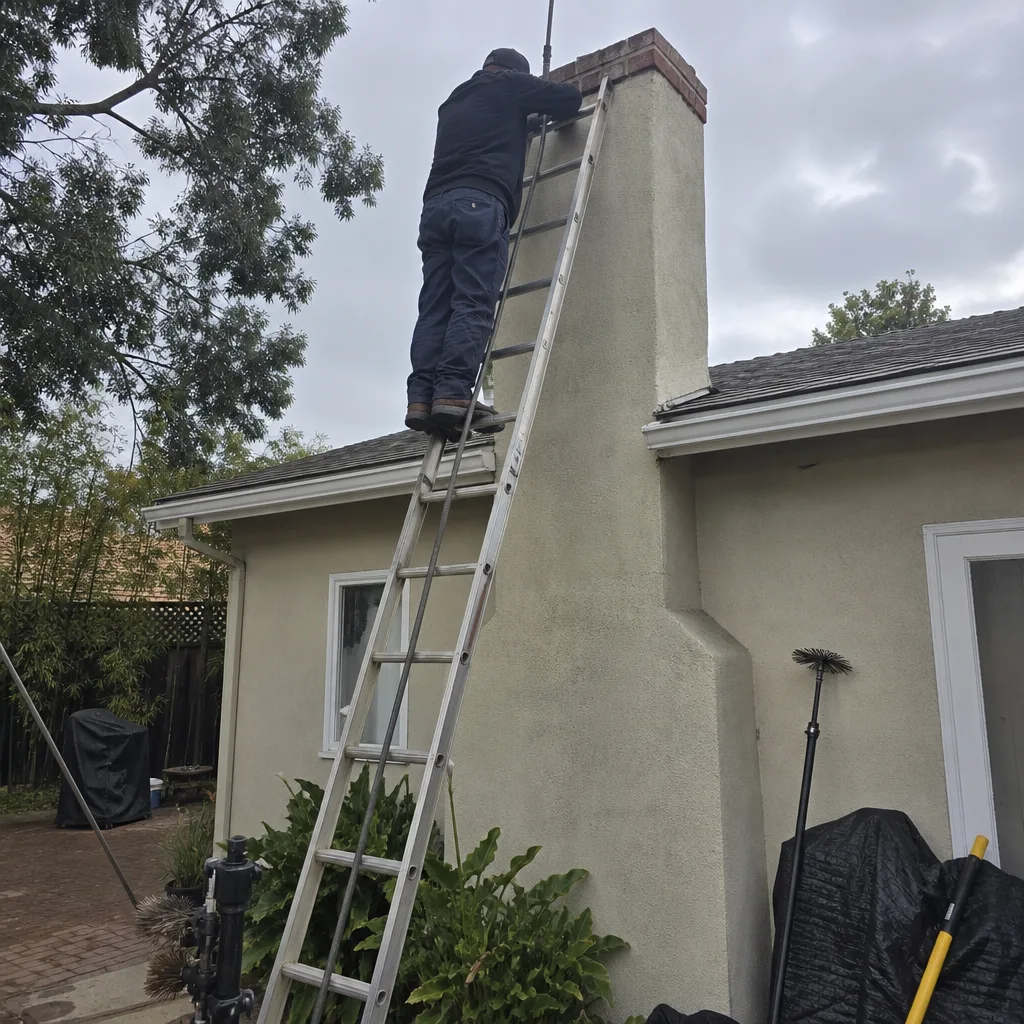 Before
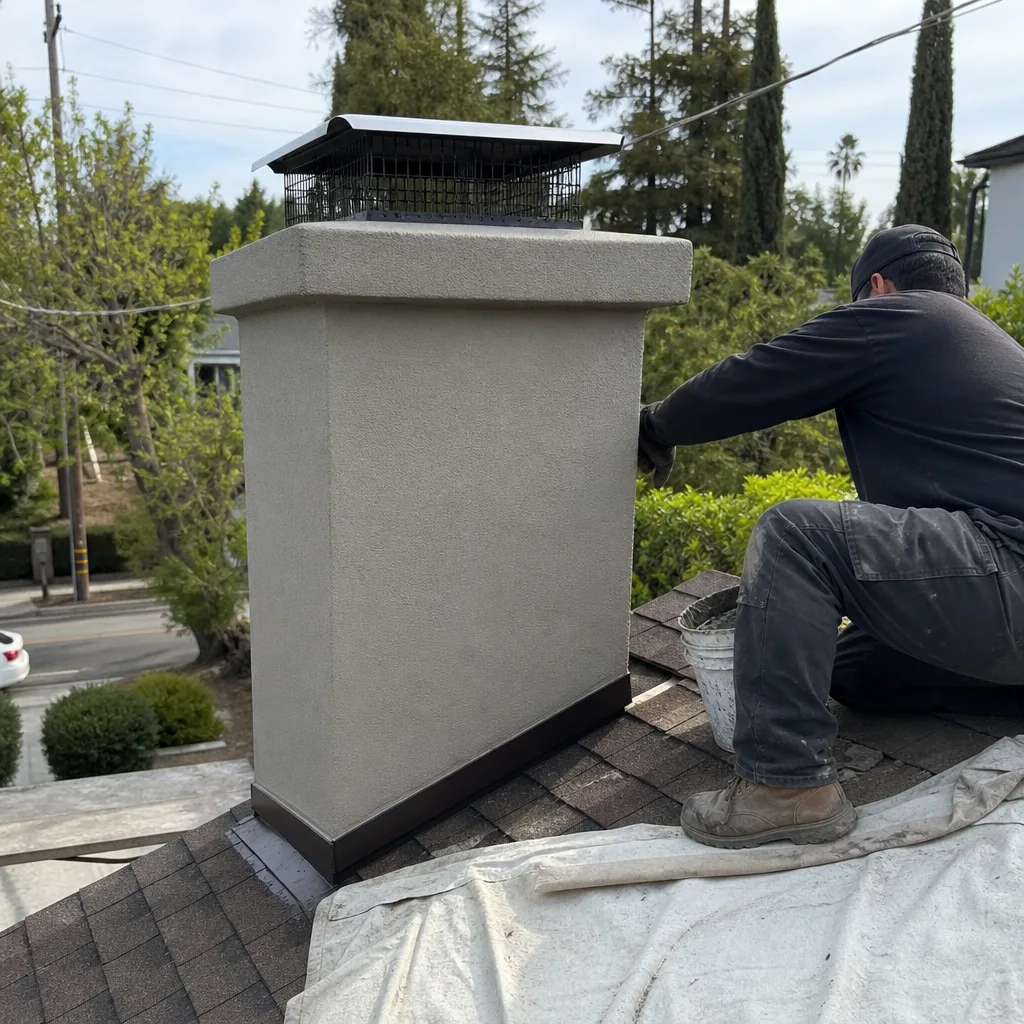 After
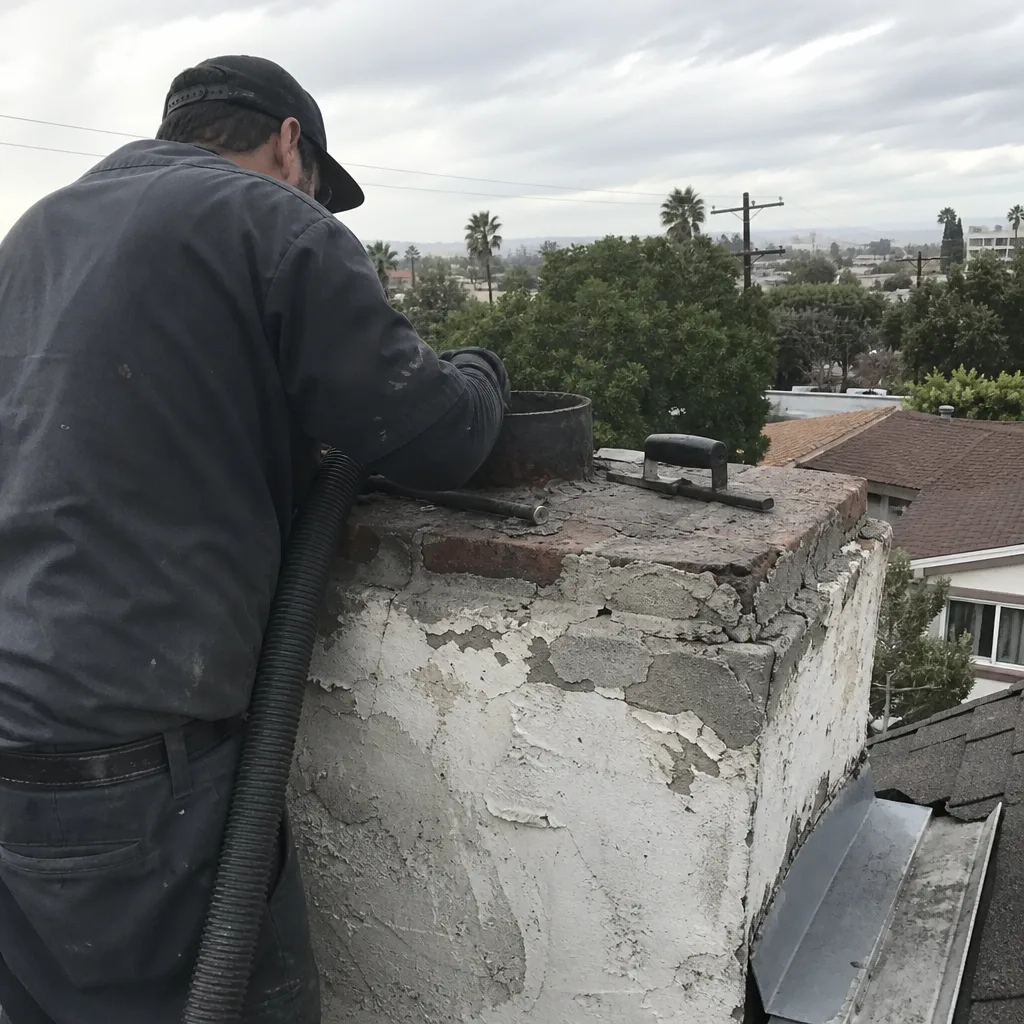 Before
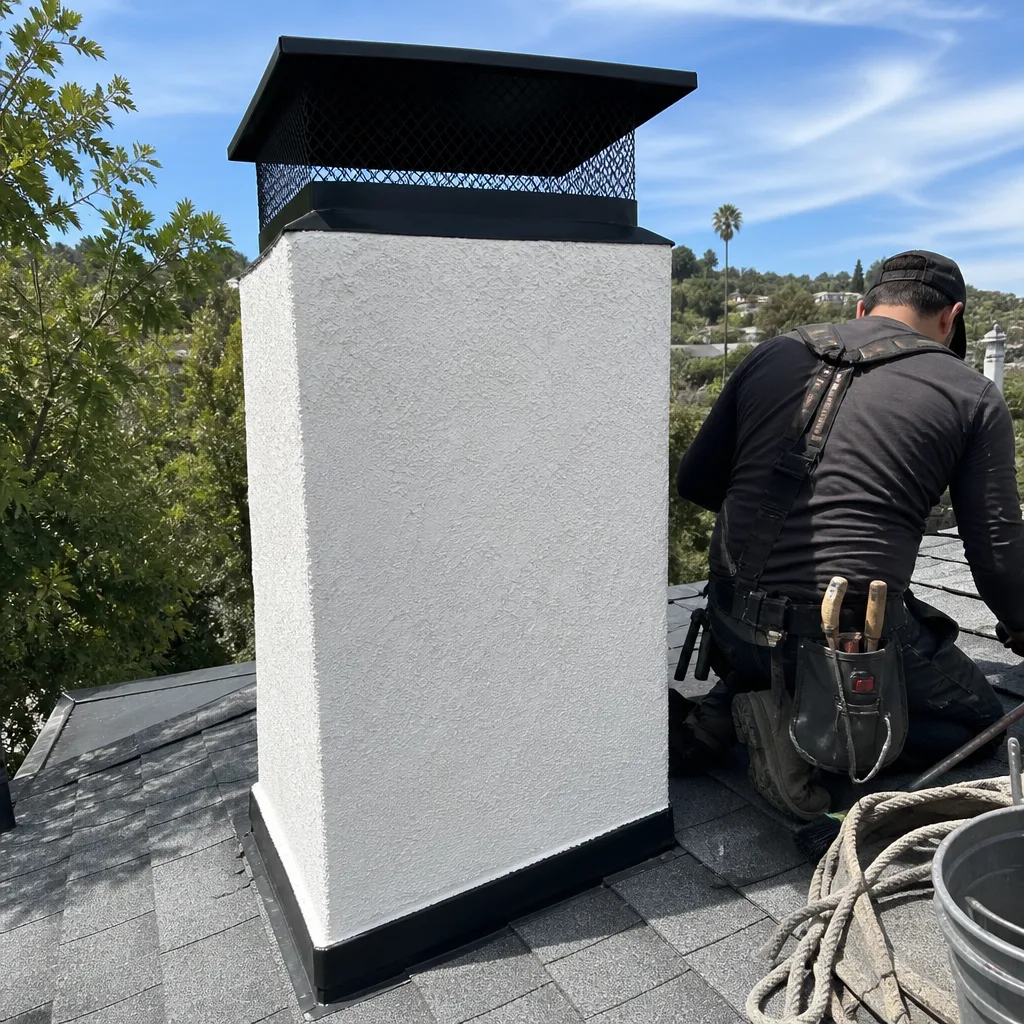 After
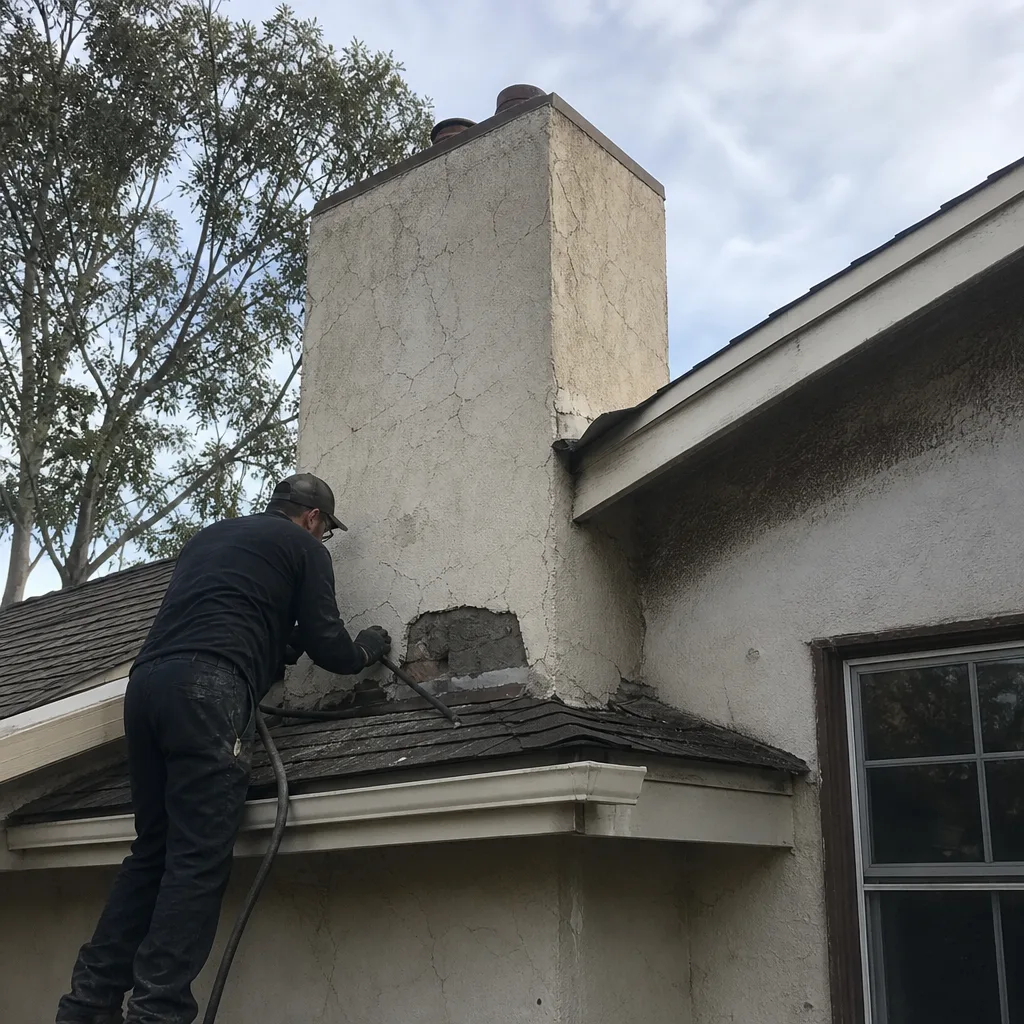 Before
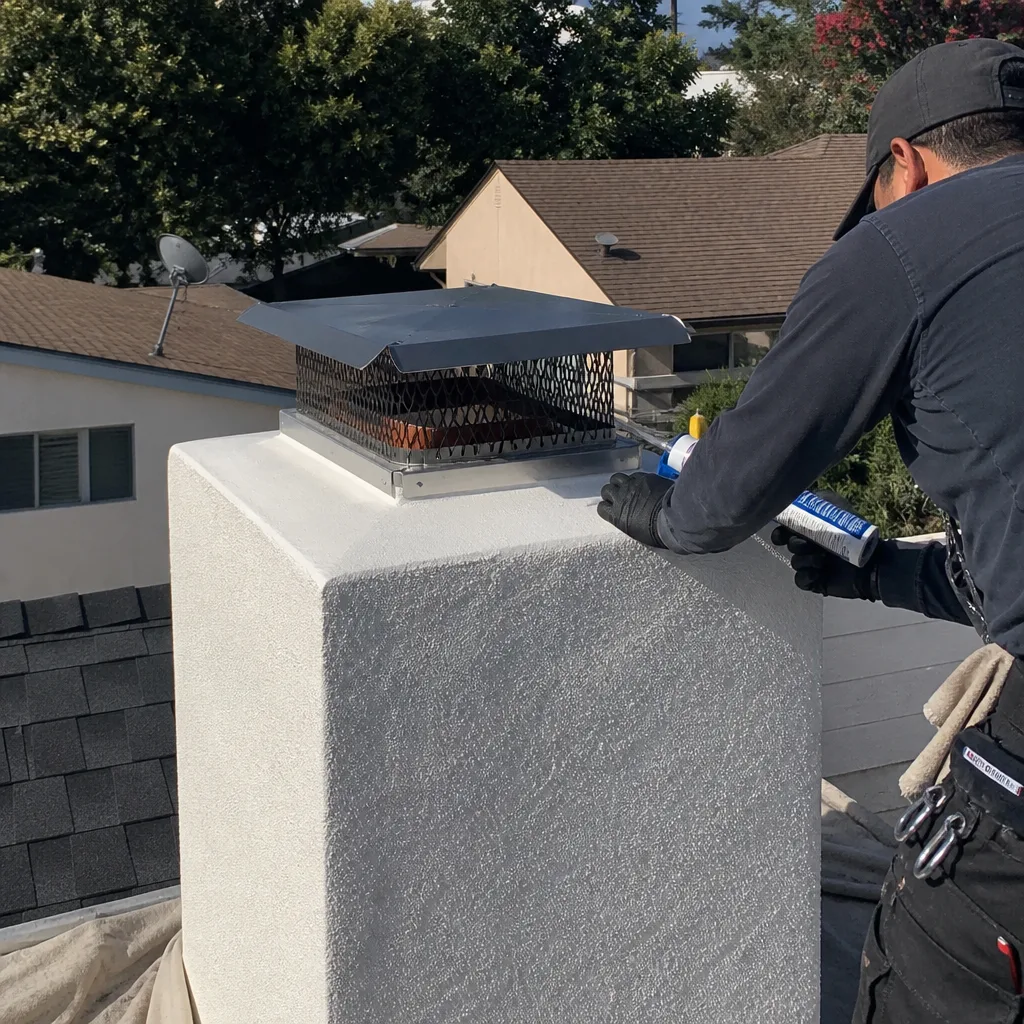 After
When to Call a Professional
Any time you smell gas, see visible smoke entering the living space while burning, hear animals in the chimney, or notice falling debris from the flue, stop using the fireplace and call a specialist. The same applies if you have not had the chimney inspected in more than two years, or if you just bought a home in Atwater Village and have no service records for the fireplace or dryer vent.
Chimney fires burn hot and fast inside the flue, and they often give no warning. Carbon monoxide is odorless and invisible. Neither problem announces itself in time for DIY responses. A camera inspection costs a fraction of what a chimney fire or CO leak costs. Chimney Sweep in Atwater Village appointments include the sweep, the inspection, and a photo report you can keep for your records. Pearl Chimney Cleaning offers free estimates in Atwater Village. Call (833) 630-4048 to book.
Frequently Asked Questions
A standard chimney sweep in Atwater Village typically runs between $180 and $340 depending on the flue condition, accessibility, and whether the fireplace has been maintained regularly. The cost includes the sweep itself plus a level 1 inspection with camera documentation. Homes that have not been serviced in many years or that show heavy creosote glazing may fall at the higher end due to the extra cleaning time. Call (833) 630-4048 for an exact quote. Estimates are free.
The National Fire Protection Association recommends sweeping when creosote accumulation reaches one-eighth of an inch, which for most homes that burn regularly happens once per year. If you burn only occasionally, have a gas fireplace, or use seasoned hardwood exclusively, every two years may be enough. Atwater Village homes with uncapped chimneys or those surrounded by dense tree canopy should be inspected annually regardless of usage frequency.
Only if your existing liner is cracked, spalled, gaping at the seams, or the wrong size for the appliance it serves. A liner is a safety component, not a discretionary upgrade. If a technician recommends liner work, ask to see the camera footage. Pearl Chimney Cleaning provides video documentation on every liner recommendation so you can see the evidence yourself. If there is no camera footage, there is no diagnosis.
Creosote builds up. In the best case, your fireplace drafts worse, smells stronger, and burns less efficiently. In the worst case, creosote ignites and creates a chimney fire, which can spread to the house through cracked mortar or a failed liner. Nationally, chimney fires account for a significant share of residential structure fires each year, and the majority are preventable with regular sweeping.
You can, but we don’t recommend it. Proper chimney cleaning requires specialized brushes sized to your flue, a vacuum with a HEPA filter, and the physical safety equipment to work on a roof. Creosote is a hazardous material, and missing a crack in the liner while you’re up there means you’ve cleaned the surface and missed the real problem. If you’re set on doing it yourself, be honest about the risks and have a professional camera inspection afterward. A safer option is a professional sweep that includes inspection. Dryer Vent Cleaning in Atwater Village is a related service we offer for the other combustion hazard in your home.
Yes, though less frequently. Gas fireplaces burn cleaner and produce no creosote, but they can develop soot buildup, condensation issues, and vent obstructions. A gas fireplace that has not been serviced in years may have a blocked vent, a failing thermocouple, or moisture damage in the flue. Annual inspection applies to gas systems too, even if sweeping is only needed every few years.
The Bottom Line
Chimney problems are symptoms of system failures. Smoke in the room, a summer odor, or a weak draft each point to a specific root cause, and the fix only works when it matches the cause. Sweeping solves creosote and debris. Liner repairs solve cracks and gaps. House pressure fixes solve draft reversal. The fastest way to know which one you need is a camera inspection by a specialist who can explain what they’re seeing. For Choosing the Right Chimney Cleaning Brand: A Buyer’s Guide for Atwater Village, read our companion post. If you’re in Atwater Village and you want a clean flue, a sound liner, and a safe home, call Pearl Chimney Cleaning at (833) 630-4048 for a free estimate.
Written by the team at Pearl Chimney Cleaning, serving Atwater Village since 2013. Explore more guides & resources on our blog.